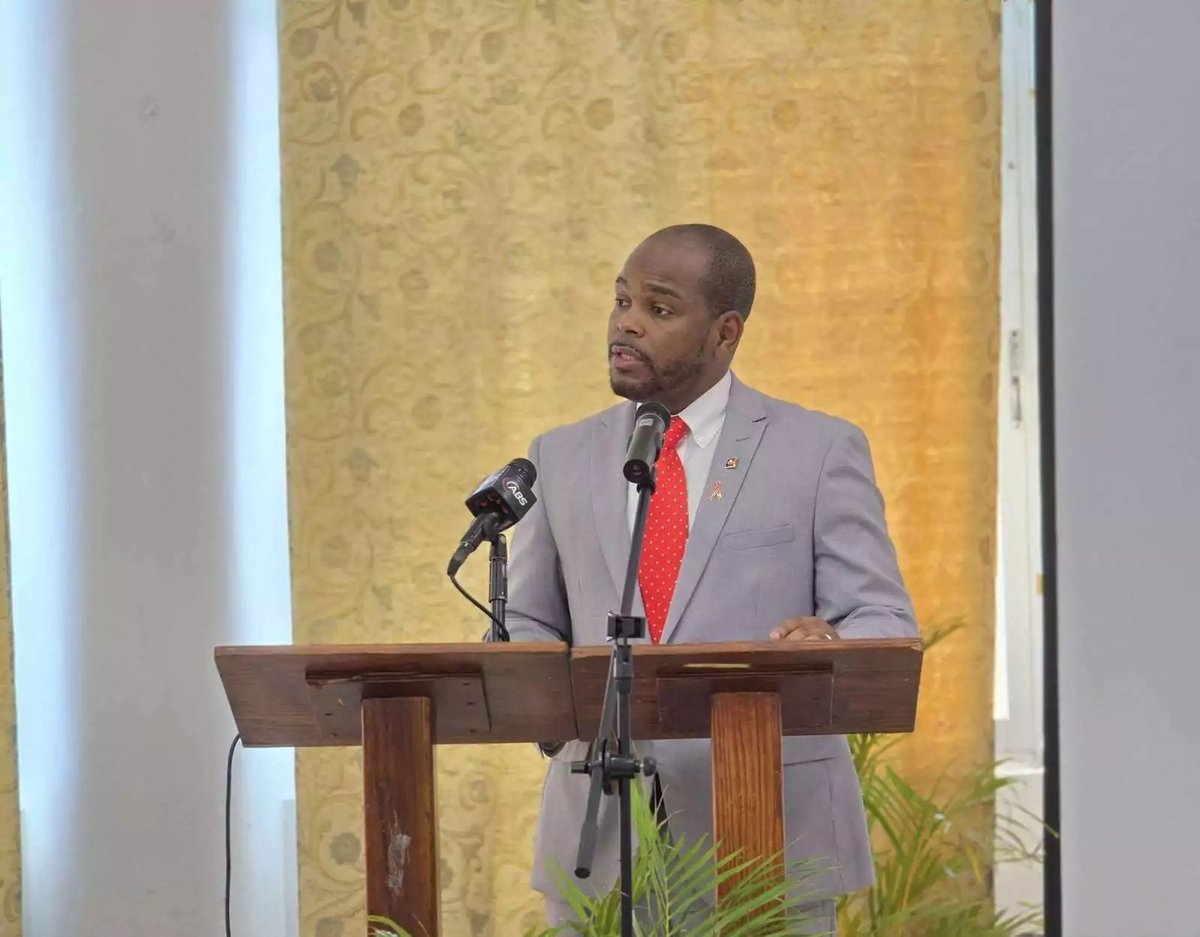
Prime Minister Gaston Browne has urged leaders across Africa and the Caribbean to fundamentally restructure their economies, arguing that both regions must abandon systems that primarily serve external interests and instead prioritise their own people.
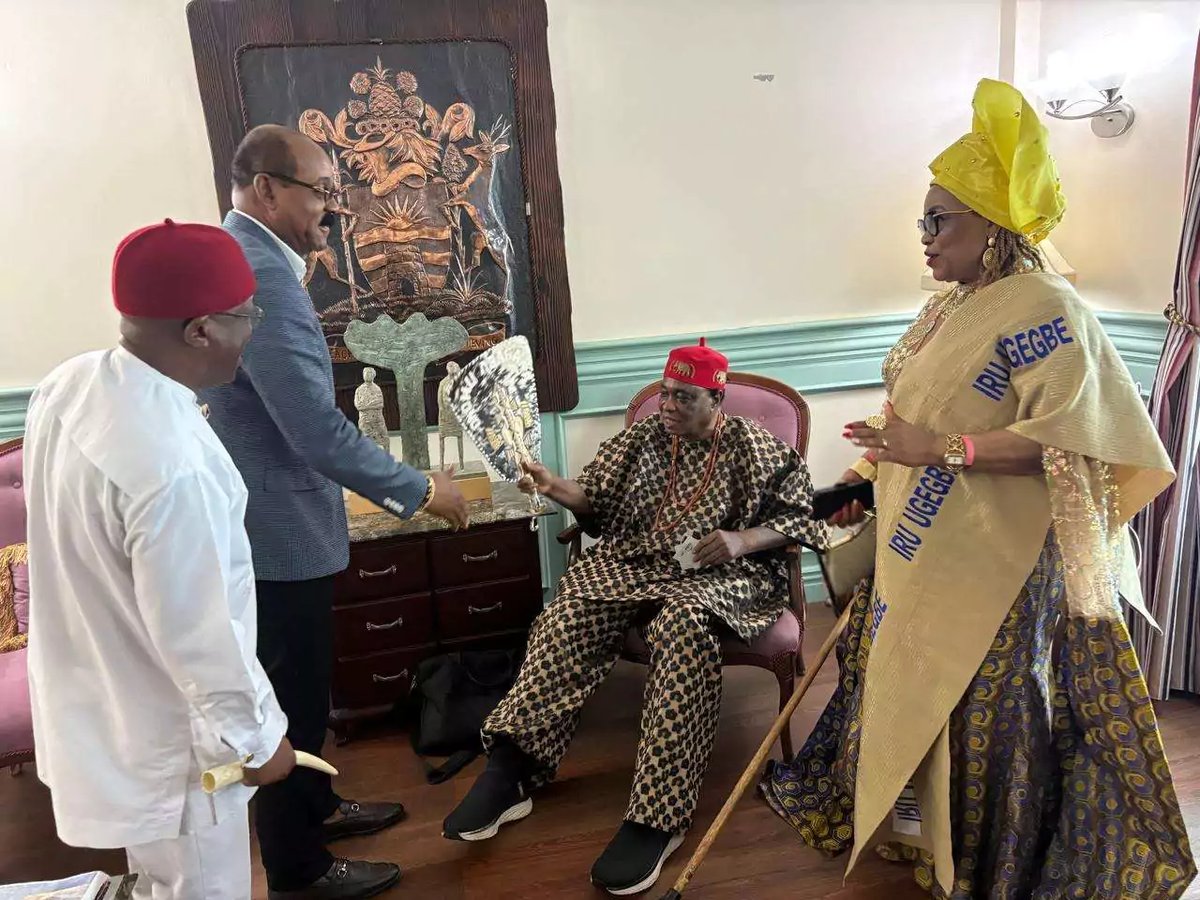
According to Antigua.news, Browne made the remarks during a meeting with a delegation led by Dr. Nwachukwu Anakwenze, Regent of the Abagana Kingdom in Anambra State, Nigeria, who is preparing for his installation as king.
The prime minister reflected on the historical legacy of slavery and colonialism, noting that both Africa and the Caribbean were transformed into what he described as "extractive economies" — systems engineered to export wealth rather than cultivate local prosperity. He argued that the natural resources of Africa and the agricultural output of the Caribbean generated generational wealth in Europe and elsewhere, while leaving both regions underdeveloped.
"We have not reached our full potential," Browne stated, stressing the need for a deliberate and coordinated effort among regional leaders to redesign their economies in ways that ensure greater local ownership and benefit.
To illustrate his point, Browne cited his administration's decision to block the sale of local banking operations by two Canadian institutions to foreign buyers, insisting instead that the branches be transferred to local entities so that profits would remain within Antigua and Barbuda.
"At the time, it was not considered a popular move," he acknowledged, noting that he faced criticism and was labelled a "dictator." He maintained, however, that the decision has since proven its worth, with the locally owned banks growing stronger and more profitable.
Browne emphasised that challenging entrenched financial interests would require bold leadership. "This is the time for courage," he said. "Special interests will resist, but we must remain resolute in making decisions that serve our people."
The prime minister further argued that the enduring effects of colonialism and enslavement continue to shape economic realities across both regions, but insisted it is not too late to change course. He proposed a shift toward what he termed "productive economies" — systems that generate and reinvest wealth internally, rather than allowing resources to be extracted with minimal local benefit.
Browne also expressed appreciation for the visit by Dr. Anakwenze and his delegation, highlighting his interest in strengthening ties with African leadership and indicating he looks forward to visiting the Abagana Kingdom in the near future.