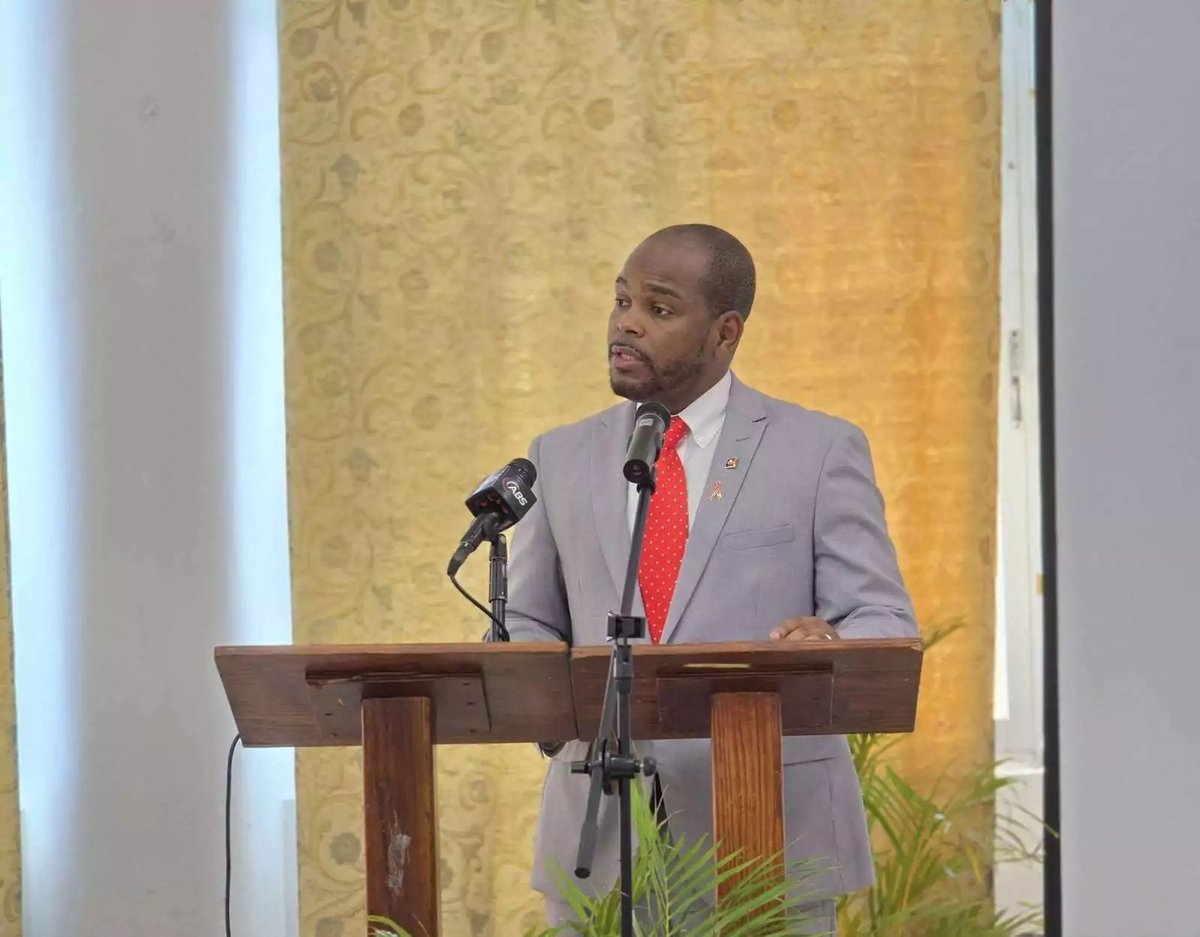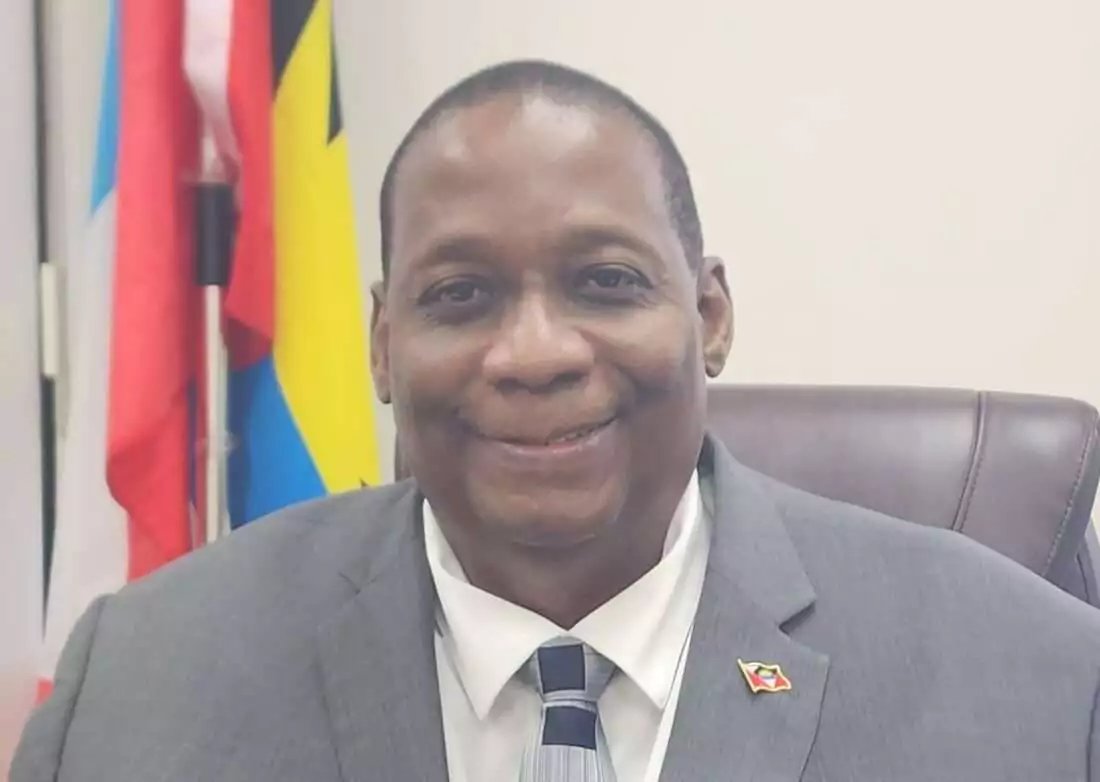
Permanent Secretary Clarence Pilgrim has been transferred from the Ministry of Foreign Affairs to the Ministry of Education in an abrupt reshuffle that has caught many within government circles by surprise.
No public explanation has been provided for the reassignment. The move has drawn particular attention given that Pilgrim had only recently taken up the senior role at the Ministry of Foreign Affairs.
The transfer follows Pilgrim's authorship of an opinion piece in which he spoke out strongly on rising global tensions, referencing what he described as escalating military conflict involving the United States, Israel, and the Islamic Republic of Iran.
"The recent military actions launched by the United States and Israel against the Islamic Republic of Iran, followed by Iran's retaliatory response, have triggered a dangerous escalation," Pilgrim wrote in the piece.
He warned that the consequences of such conflicts extend well beyond the battlefield, adding: "Innocent lives have been lost. Civilian suffering—on any side—cannot be rationalized as collateral necessity. The primary obligation of states is the protection of life."
Pilgrim also cautioned that in today's interconnected world, regional instability carries swift global economic consequences. "A strike in one region can unsettle markets, disrupt supply chains, and raise fuel prices across continents within hours. In such an environment, escalation is not contained; it multiplies," he wrote.
Sharon Stevens has been appointed as the new Permanent Secretary within the Ministry of Foreign Affairs. Stevens previously served as Permanent Secretary in the Ministry of Creative Industries. As part of the same reshuffle, Ena Dalso has been transferred to the Ministry of Creative Industries.
Director General of Communications Maurice Merchant said the assignment of Permanent Secretaries falls within the discretion of the Public Service Commission, based on need and the exigencies of the public service.
The reshuffle has sparked quiet discussion in administrative and political circles, with observers watching closely for any further changes within the public service.