A prominent Caribbean archivist is sounding the alarm over the prolonged closure of Antigua and Barbuda's National Archives, cautioning that continued inaction endangers far more than historical records — it threatens the nation's legal identity, sovereignty, and its custodial role over the Eastern Caribbean's collective memory.
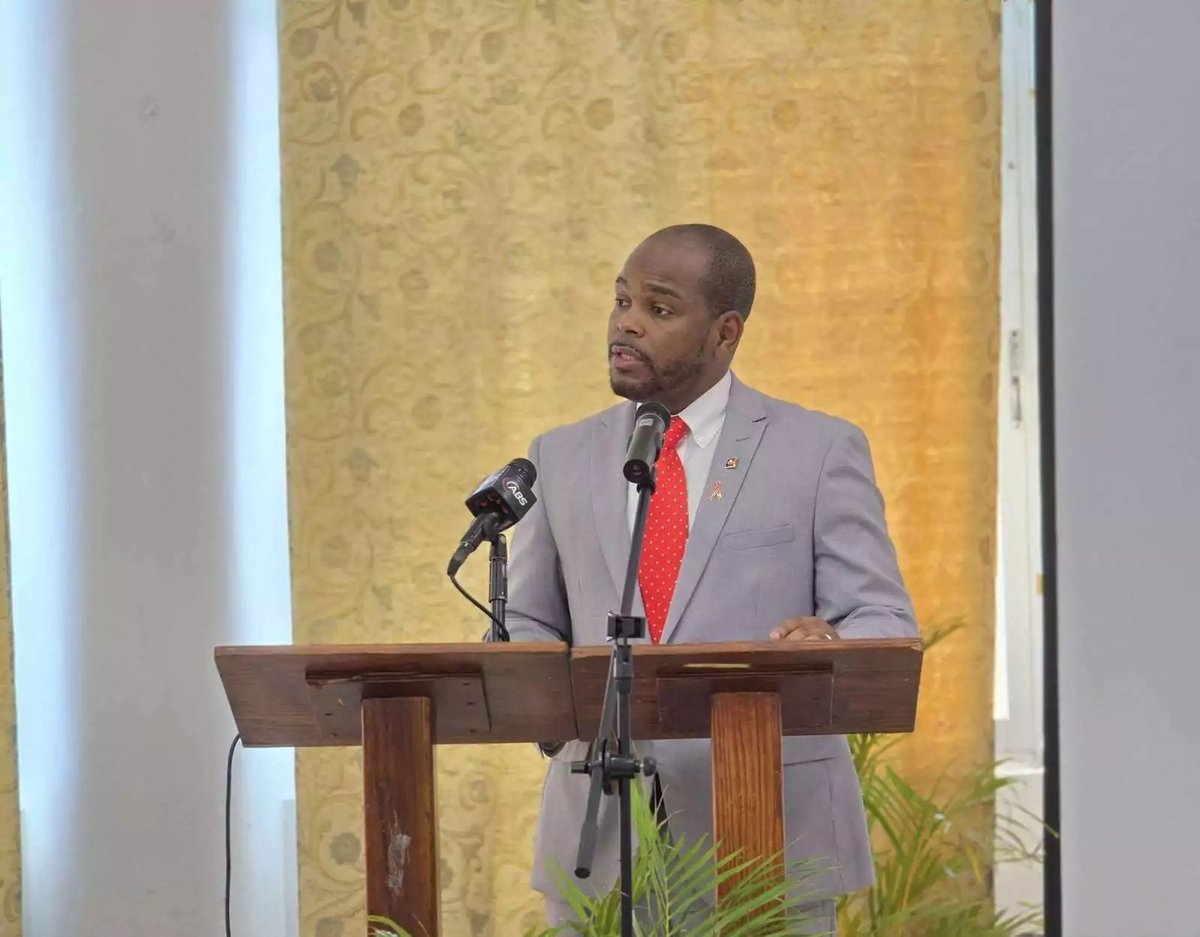
According to Antigua Observer, Dr. Stanley Griffith, Head of the regional archival body, has raised urgent concerns about the situation, urging authorities to treat the matter as a pressing national priority rather than an administrative oversight.
Dr. Griffith's warnings underscore the dual significance of the National Archives — as both a repository of Antigua and Barbuda's historical heritage and a critical institution underpinning the country's legal and governmental functions. Documents held within national archives frequently serve as authoritative references in matters of land ownership, citizenship, constitutional governance, and international agreements.
The closure, which has persisted for an extended period, has drawn growing concern from historians, legal professionals, and regional stakeholders who rely on access to the archives for research, litigation, and policy work.
Beyond Antigua and Barbuda's own national interests, Dr. Griffith highlighted the broader regional implications. The country's archives hold records of significant importance to the wider Eastern Caribbean, meaning the institution's continued inaccessibility carries consequences that extend well beyond national borders.
As reported by Antigua Observer, Dr. Griffith is calling on the relevant authorities to act swiftly to reopen and adequately resource the National Archives, warning that every day of inaction risks irreversible damage to an institution that serves as the foundation of the nation's documented identity.