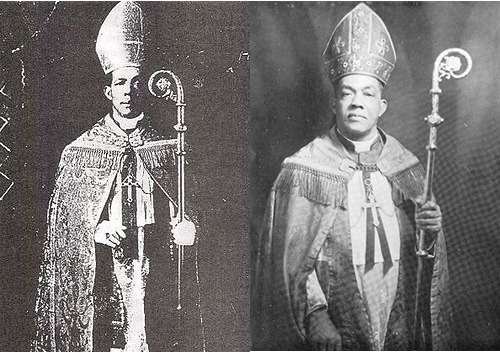
According to Antigua.news, an opinion piece examining the profound legacy of Bishop George Alexander McGuire and his role in the global reconfiguration of Black Christianity has been published, inviting readers to reflect on the Antiguan-born religious leader's enduring influence.
Bishop George Alexander McGuire, born in Swetes, Antigua, remains one of the Caribbean nation's most significant yet underexamined historical figures. His contributions to Black religious thought and institution-building in the early twentieth century continue to resonate across faith communities worldwide.
As reported by Antigua.news, the opinion piece centres on McGuire's transformative impact on how Black Christians understood and practised their faith on a global scale — a reconfiguration that challenged prevailing religious norms and asserted a distinctly African-centred spiritual identity.
McGuire founded the African Orthodox Church in 1921 and served as a key religious figure within Marcus Garvey's Universal Negro Improvement Association, using theology as a vehicle for Black empowerment and self-determination during a period of widespread racial oppression.
His vision extended far beyond the pulpit. By reimagining Christian iconography and doctrine through an African lens, McGuire helped lay the intellectual and spiritual groundwork for movements that would follow, influencing religious communities from the Americas to Africa and beyond.
For Antigua and Barbuda, McGuire represents a source of national pride — a son of the soil whose ideas carried weight on the world stage. His story is one that scholars, faith leaders, and citizens continue to revisit as his legacy proves increasingly relevant in contemporary discussions of race, religion, and identity.