Antigua and Barbuda has taken a significant step in protecting its beekeeping industry, launching an innovative project aimed at combating the Varroa mite — a parasite considered one of the most destructive threats to honeybee populations worldwide.
According to Antigua.news, the initiative represents a strengthened effort by local authorities and stakeholders to safeguard bee colonies across the island nation from the devastating effects of the Varroa destructor mite.
The Varroa mite poses a severe risk to honeybee health, weakening colonies by feeding on bees and transmitting viruses that can lead to colony collapse. Its spread has caused widespread losses among beekeeping operations globally, making targeted intervention critical for agricultural communities that depend on pollination and honey production.
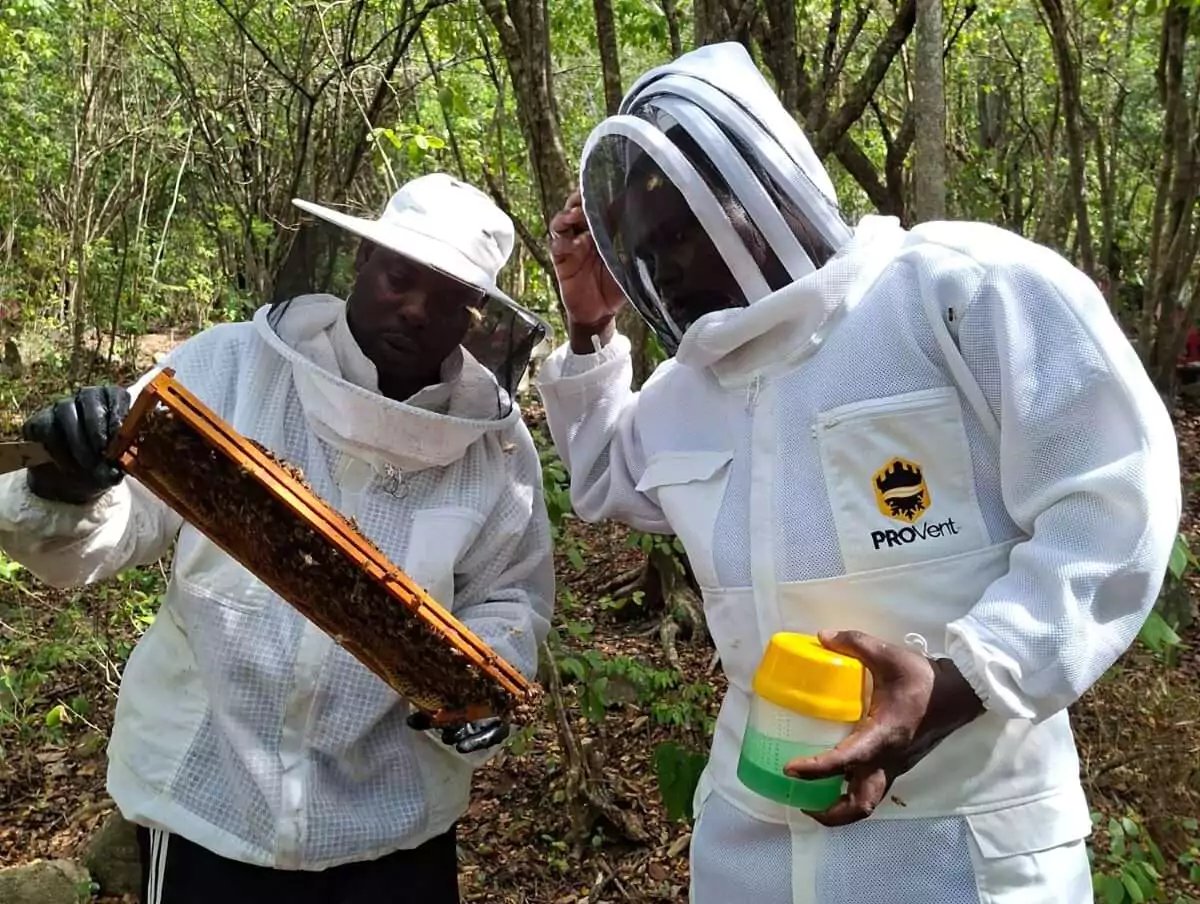
The project is designed to introduce innovative approaches to mite detection, monitoring, and treatment, equipping local beekeepers with the tools and knowledge needed to protect their hives. The initiative underscores the government's recognition of the beekeeping sector as an important component of Antigua and Barbuda's agricultural landscape.
Local beekeepers are expected to benefit directly from the programme, which aims to build long-term resilience within the industry. Officials have highlighted the importance of early detection and sustainable management practices as central pillars of the effort.
As reported by Antigua.news, the project signals a proactive approach to biosecurity and agricultural sustainability in Antigua and Barbuda, with authorities committed to preventing further spread of the mite and minimising its impact on the local bee population.