Dear Editor,
Spain's 1-0 victory over Argentina in the 2026 World Cup final has once again laid bare one of Europe's most uncomfortable hypocrisies. According to Antigua News Room, the letter below, submitted by a concerned Caribbean citizen, argues that Black immigrants and their children are celebrated when they win trophies, yet treated as threats when they seek dignity, opportunity and belonging.
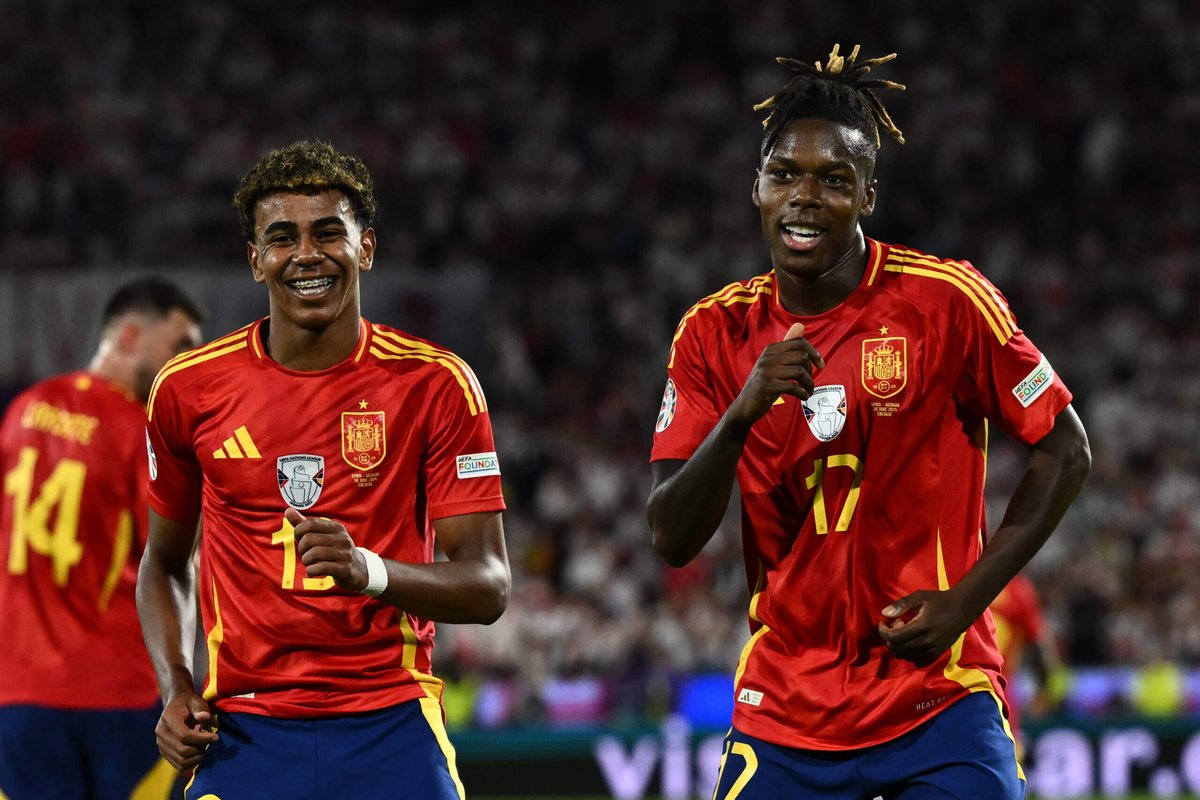
When players such as Lamine Yamal and Nico Williams wear Spain's colours and help carry the nation to glory, they are embraced as national heroes. Their photographs fill newspapers, politicians offer congratulations and supporters chant their names. In those moments, nobody questions whether they are "Spanish enough."
But away from the football pitch, people who look like them are routinely told they do not belong. Migrants are blamed for crime, unemployment, pressure on public services and nearly every other social ill that politicians cannot resolve. Boats carrying desperate Africans are characterised as invasions, while political movements build support by promising tighter borders and mass deportations.
The message is difficult to miss: Europe loves Black immigrants when they score goals, win medals and make the nation proud. It is far less welcoming when those same people need housing, employment, legal protection or simply the right to live without suspicion.
Many of the players now praised as symbols of modern European identity are the sons of families who crossed borders in search of better lives. Their success did not emerge despite immigration. It is part of the immigration story.
Yet sporting success should not be the price of acceptance. A Black child should not have to become an international football star before being recognised as Spanish, French, English or Portuguese. Citizenship and belonging cannot be made conditional on how many goals someone scores.
Spain deserves congratulations for defeating Argentina and claiming its second men's World Cup title. However, the celebrations should compel the country — and Europe broadly — to confront a difficult question.
If immigrant families are Spanish enough when their children lift the World Cup, why do they become foreigners again when elections approach?
The applause will fade. The flags will be packed away. The real test is whether the same people celebrating these players today will stand by their communities tomorrow.
— A Concerned Caribbean Citizen