The Embassy of Antigua and Barbuda in Washington, D.C., has written to Representative Nancy Mace of South Carolina, urging her to reconsider legislation that would impose broad immigration restrictions on the twin-island nation.
The bill, introduced in the United States House of Representatives on 15 July and titled the Third World Immigration Moratorium Act, lists Antigua and Barbuda among 40 countries subject to the proposed restrictions.
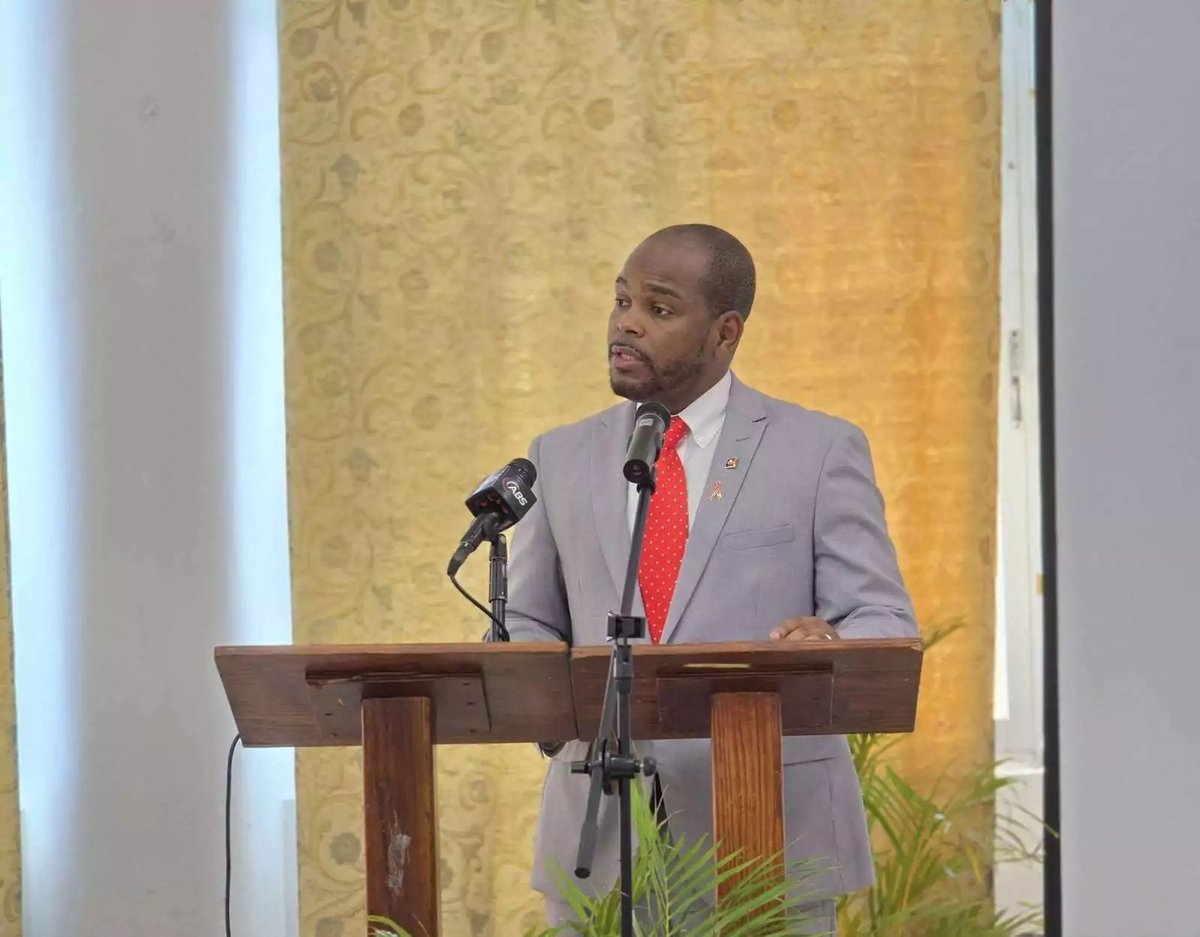
In his letter to Representative Mace, copied to several senior members of the House, Ambassador Sir Ronald Sanders acknowledged the right of any Member of the House to propose immigration legislation, but stressed that measures affecting friendly nations must be grounded in accurate and objective information.
Ambassador Sanders challenged a key claim underpinning the bill's inclusion of Antigua and Barbuda. Presidential Proclamation 10998, which appears to inform the legislation, states that Antigua and Barbuda "has historically had Citizenship by Investment without residency." The Ambassador made clear that this is factually incorrect. Antigua and Barbuda's Citizenship by Investment Programme has always included a residency requirement — a fact the Government has formally communicated to the United States Government on multiple occasions.
The Ambassador also flagged a drafting error in the proposed legislation, which refers separately to "Antigua" and "Barbuda" as though they were two independent sovereign states. He said the error "illustrates the importance of ensuring that legislation affecting friendly nations is founded upon accurate and verified information."
Ambassador Sanders further challenged the grouping of Antigua and Barbuda alongside countries facing armed conflict, prolonged economic instability, or large-scale irregular migration. He described Antigua and Barbuda as an upper-middle-income country with one of the highest per capita incomes in the Caribbean — a stable parliamentary democracy with an independent judiciary and democratic institutions that have earned the confidence of both its citizens and international partners.
The Ambassador also pushed back on any suggestion that Antigua and Barbuda presents immigration or security risks comparable to other countries named in the bill. He pointed to the deep and mutually beneficial relationship between the two nations. United States citizens travel to Antigua and Barbuda without visas, many own homes and businesses there, and American investment has long been welcomed and protected under Antiguan law. The two countries cooperate closely on security, law enforcement, disaster response, education, tourism, trade, and investment.
Ambassador Sanders noted that the movement of people between the two countries has been orderly and lawful for decades. No citizen of Antigua and Barbuda has ever sought refugee status in the United States, visa overstays have historically remained at little more than one percent, and Antigua and Barbuda has consistently cooperated with U.S. immigration authorities in accepting the prompt return of nationals who are lawfully removed.
The Ambassador concluded by calling on Representative Mace to remove Antigua and Barbuda from the proposed legislation and to ensure that any future measures affecting the country are based on accurate and current information.