The Cabinet of Antigua and Barbuda is moving forward with the redistribution of hundreds of acres of government-controlled agricultural land that officials say has sat idle for years, reaffirming the administration's commitment to national food security.
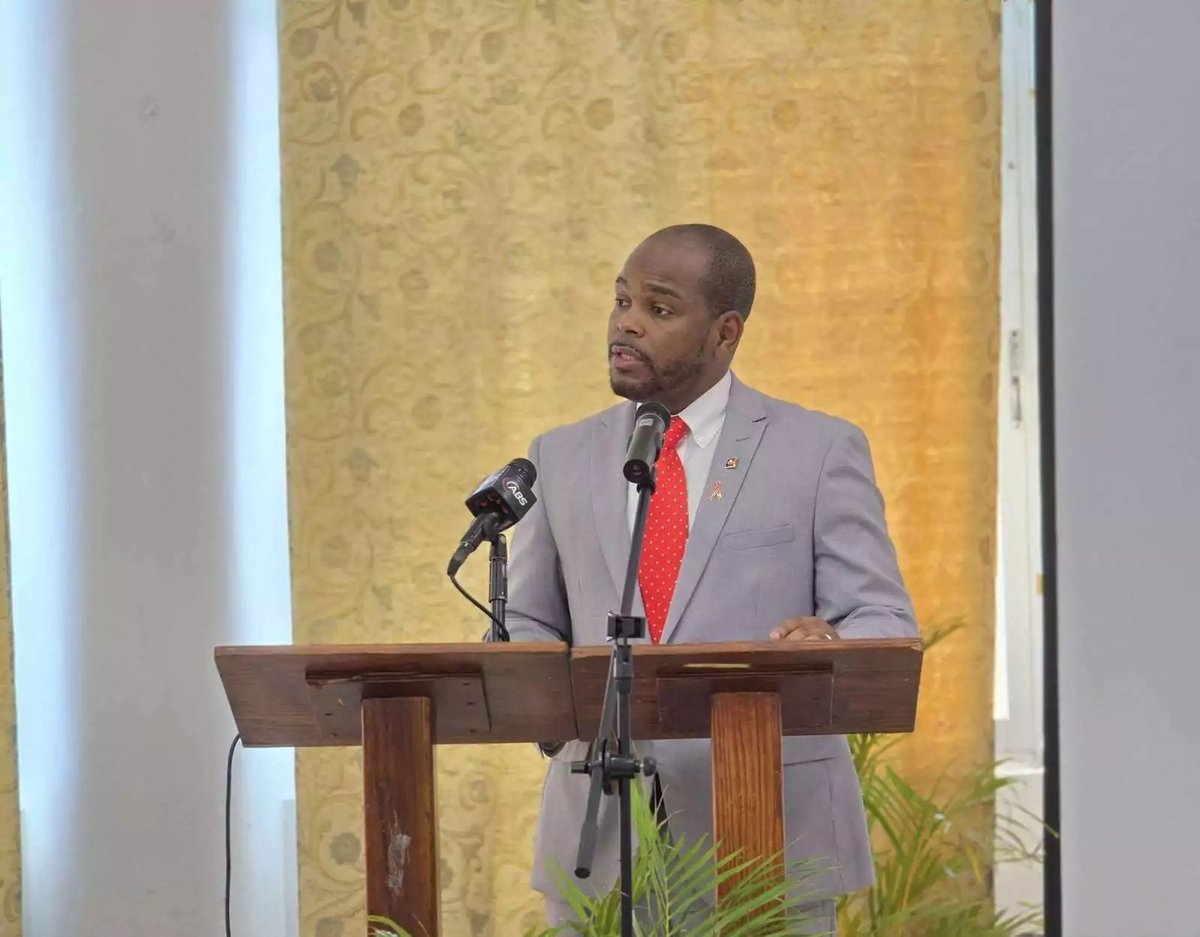
Director General of Communications Maurice Merchant made the announcement during Thursday's post-Cabinet media briefing, reporting that Agriculture Minister Anthony Smith updated Cabinet on the government's agricultural land redistribution programme — an initiative first announced several months ago to reclaim unproductive farmland originally allocated for agricultural use.
The government has now recovered approximately 682 acres of abandoned or underutilized agricultural land that has remained unproductive for more than four years. The acreage was identified through a comprehensive assessment conducted by the Agricultural Extension Division and includes lands under the Extension Division, the Agricultural Development Corporation, livestock holdings, and parcels with unresolved ownership issues.
The reclaimed lands have been earmarked for redistribution to qualified farmers who have demonstrated a commitment to agricultural production. Under the first phase of the programme, 50 vetted farmers will receive either new land allocations or additional acreage to expand their operations, boost domestic food production, and strengthen national food security.
Applicants have already been vetted by the Agricultural Extension Division, with allocations to be made in the order applications were received.
To ensure the land is used productively, Cabinet approved a six-month probationary period for all initial allocations. During that time, the Ministry of Agriculture will closely monitor cultivation, productivity, and compliance with agreed development plans. Farmers who demonstrate active and sustained agricultural production throughout the probationary period will be granted long-term occupancy of the land.
The initiative forms part of the government's broader strategy to return idle agricultural lands to productive use, increase local food output, and reduce the country's reliance on imported food.