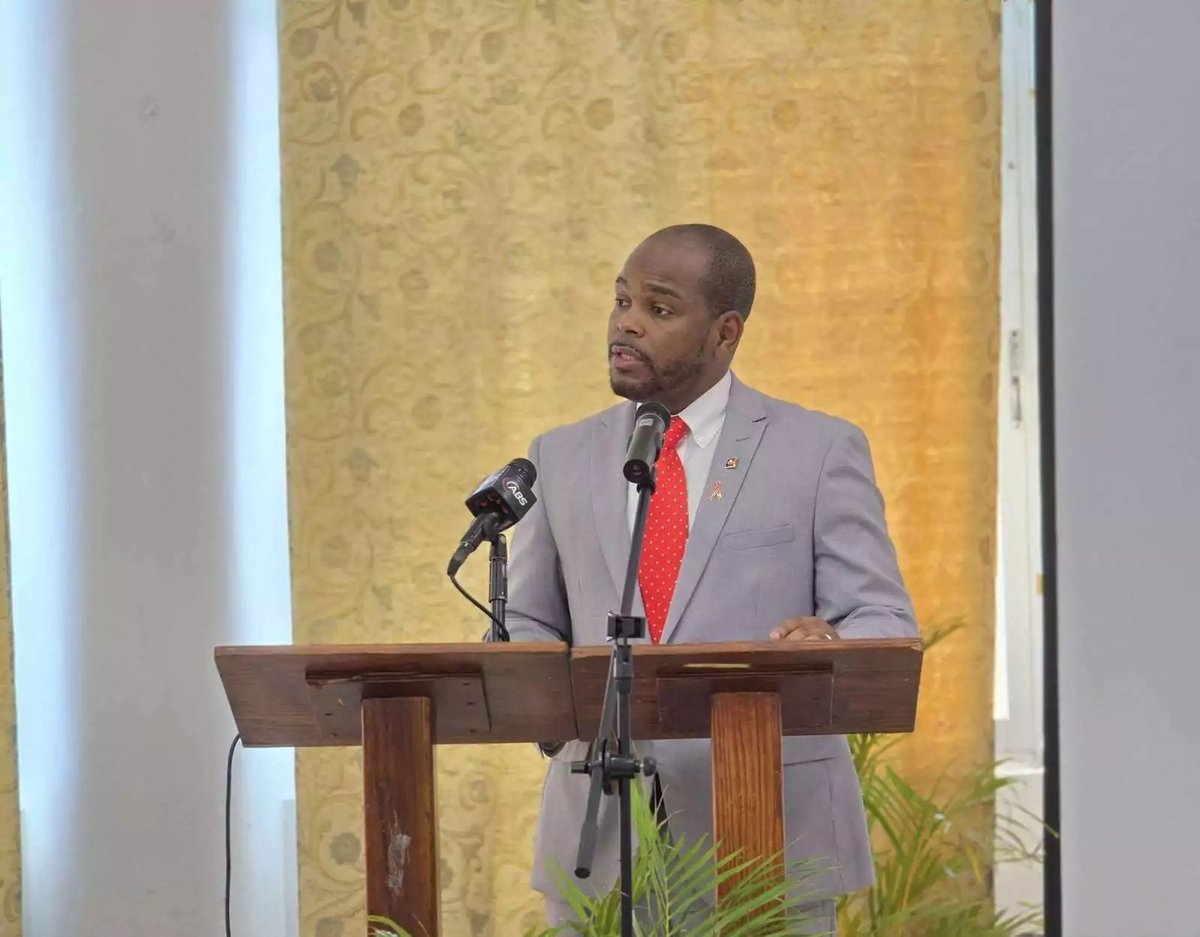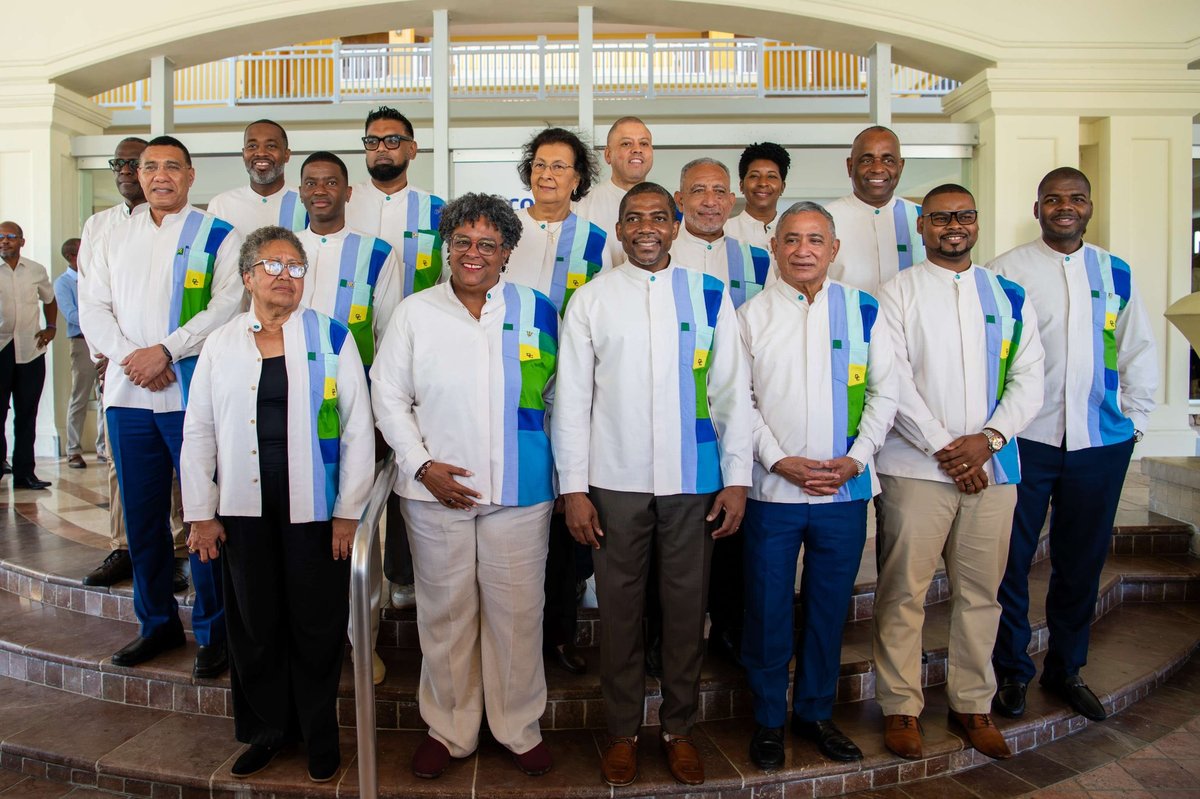
Prime Minister Gaston Browne has revealed that efforts to forge a unified Caribbean response to a United States proposal on the transfer of third-country nationals collapsed after at least one regional leader independently signed an agreement with Washington — leaving the broader Caribbean in a weakened negotiating position.
According to Antigua News Room, Browne made the disclosure on Tuesday while wrapping up parliamentary debate on a resolution governing Antigua and Barbuda's own negotiations with the United States. He agreed with Barbuda MP Trevor Walker that stronger regional collaboration would have significantly improved the Caribbean's leverage.
"The member is right," Browne told Parliament. "We tried to get a consensus early and broadly within the OECS and CARICOM."
Those efforts, he said, were derailed when one prime minister signed an agreement with Washington before a common regional position could be established. "While we were discussing possible areas for collaboration, one prime minister who sat among us had already signed," Browne said, declining to name the country or leader involved.
The prime minister described the breakdown as symptomatic of a deeper, recurring problem within both the Organisation of Eastern Caribbean States (OECS) and the Caribbean Community (CARICOM), where member states frequently pursue separate arrangements with larger international partners rather than presenting a united front.
"It is one of the unfortunate situations within the OECS and within CARICOM in general in which there is absolutely no such collaboration," Browne said. "We allow foreign interests to pick us off, make us feel independently important and then leave the entire CARICOM family vulnerable."
He cautioned that nations believing they had secured favorable treatment by acting alone should not assume that protection would last. "You may think that you're well secured today, but ultimately we are as strong as our weakest link," Browne warned.
Parliament subsequently approved the resolution, which establishes the principles that will guide Antigua and Barbuda's ongoing negotiations with the United States over the possible transfer of third-country nationals.
Despite his sharp criticism of the region's lack of unity, Browne affirmed that Antigua and Barbuda would continue engaging Washington while firmly defending its national interests. He said the government remains committed to negotiating within a framework that preserves sovereignty, protects national security, and ensures no arrangement can proceed without the country's explicit consent.