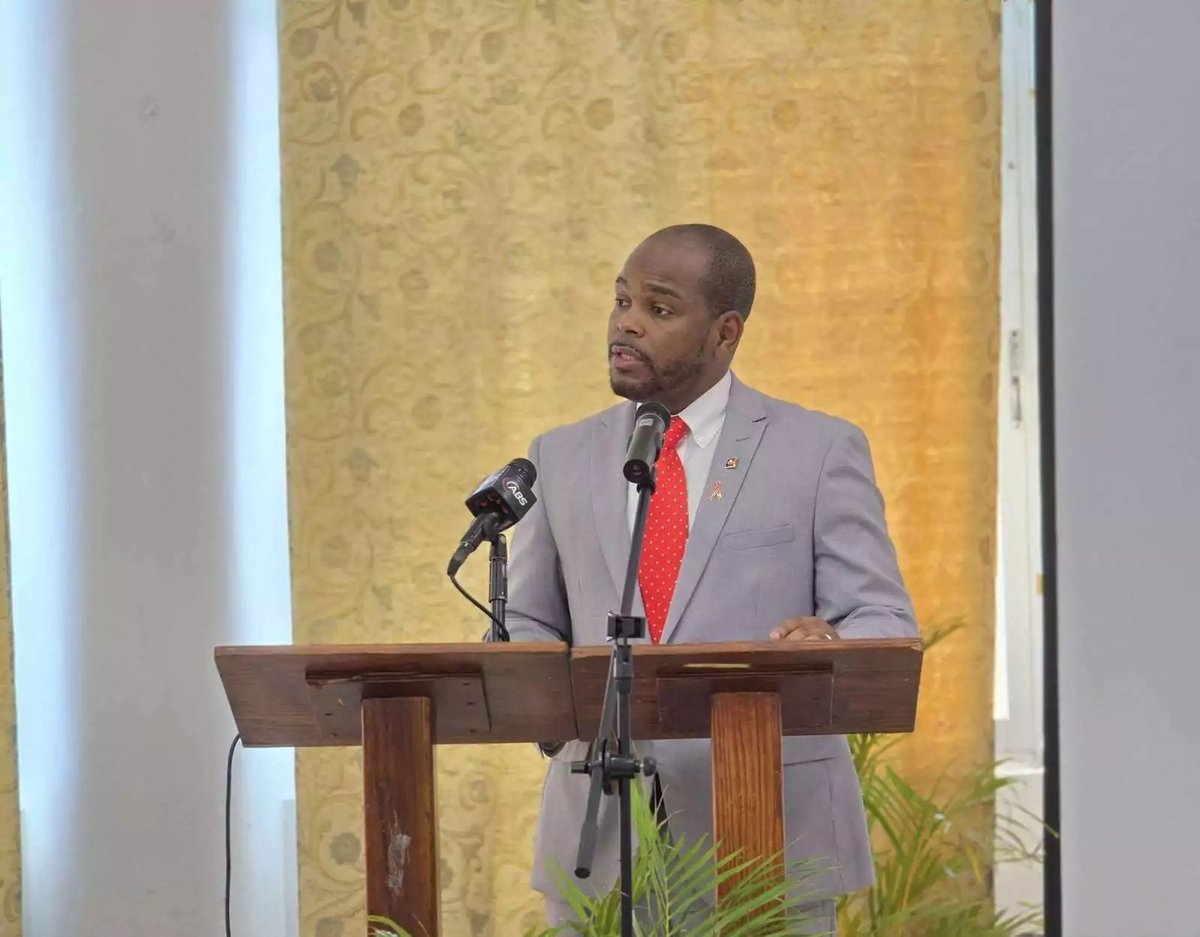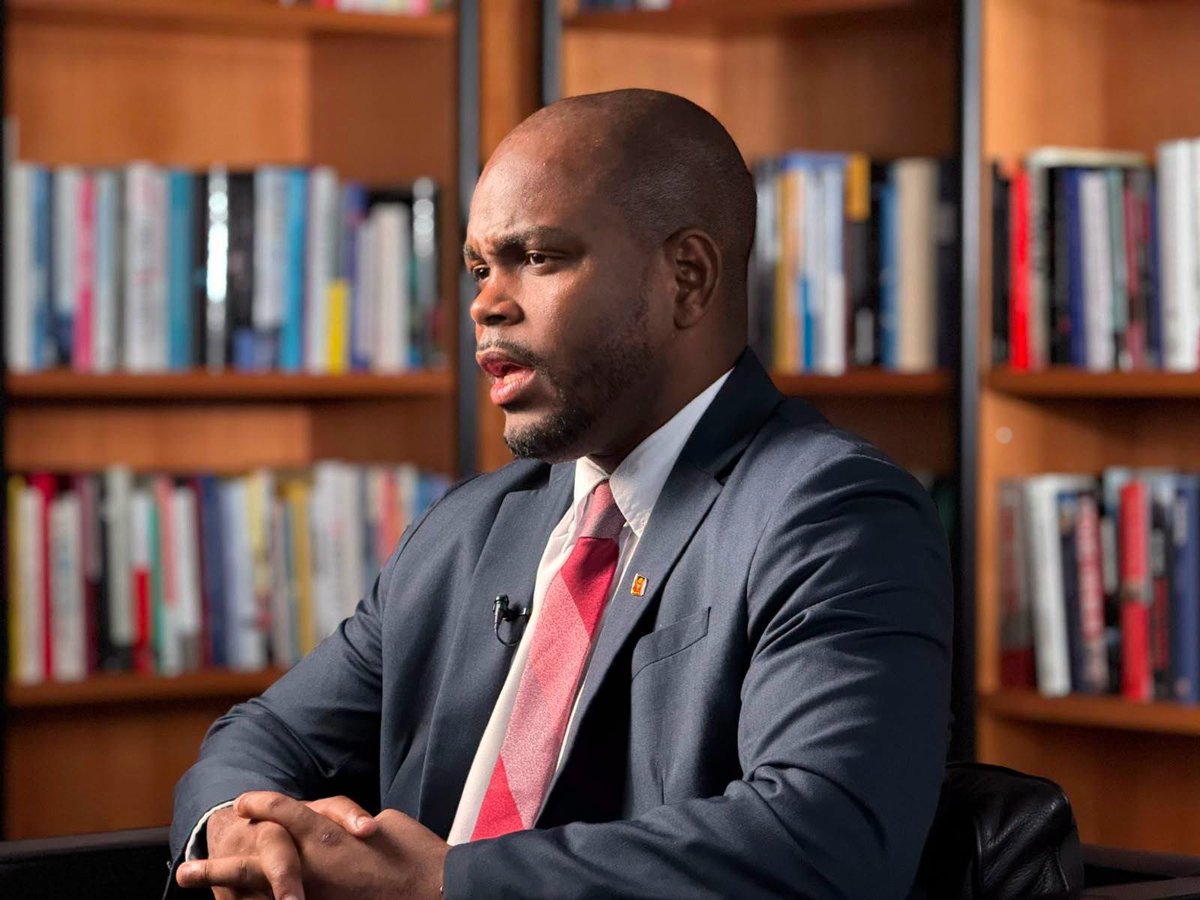
Health Minister Michael Joseph is calling on CARICOM and the Organisation of Eastern Caribbean States (OECS) to establish a coordinated regional system to register and monitor any third-country nationals accepted under arrangements with the United States. According to Antigua News Room, Joseph warned that individual countries cannot address the issue in isolation.
Joseph made the remarks during Tuesday's parliamentary debate on a resolution establishing the framework for Antigua and Barbuda's negotiations with the United States over the possible transfer of third-country nationals. He argued that regional cooperation is essential to protecting both security and the free movement of people across the Caribbean.
Central to his proposal is the involvement of CARICOM IMPACS, the regional security mechanism. Joseph said that if Caribbean nations agree to accept third-country nationals, every individual must be properly registered through that system.
"I think that if it is that, as a region, we're going to be accepting individuals, we have to make sure that CARICOM IMPACS plays a critical part," he said.
Joseph argued that a regional database would allow authorities to track individuals regardless of which CARICOM or OECS member state initially accepts them. This would reduce the risk of someone moving freely across borders without adequate oversight. He specifically noted that the OECS' free movement arrangements mean a person legally admitted to one member state could subsequently travel to another — making regional coordination all the more critical.
"It's not just about the country that they're coming into, but it's about regional integration as well. It's about CARICOM, it's about the OECS," he said.
Joseph stressed that Caribbean governments must develop common policies rather than acting independently, cautioning that one country's decisions could carry consequences for the entire region.
"I think it's important that we have a regional discussion," he said, adding that the matter "is not unilateral" and demands cooperation among CARICOM member states.
Speaking in defence of the government's resolution, Joseph said the administration recognises migration as a growing global challenge but insisted that any decisions must safeguard Antigua and Barbuda's sovereignty, security and long-term sustainability.
"It's not just about migration, but it's about our sovereignty. It's about the sustainability of this island and about the safety and security of our people," Joseph told Parliament.
The Health Minister was also clear that the government is not proposing blanket acceptance of third-country nationals. He said each individual must be assessed on a case-by-case basis to determine whether they pose any security, health or other risks to the country — a model he noted the United States itself applies when processing refugee and resettlement applications.
"We're saying that we want the opportunity to look at each individual case by case and say, does this individual fit Antigua and Barbuda's purpose? Do they fit into our security? Do they fit into our safety? Do they pose any health threats?" Joseph said.
Joseph concluded by affirming that the resolution signals Antigua and Barbuda's willingness to negotiate with the United States while preserving its sovereign right to determine what serves the country's best interests.
"We are ready to negotiate. We want to negotiate. However, we are a sovereign nation. We have to be mindful about our own individual context," he said.