Caribbean Community (CARICOM) Heads of Government have endorsed a revised reparatory justice plan at the 51st Regular Meeting of the Conference of CARICOM Heads of Government, held from July 5 to 8, 2026, in Gros Islet, Saint Lucia.
According to Antigua News Room, Prime Minister Philip J. Pierre of Saint Lucia, who chairs CARICOM, told reporters following the meeting that the discussions were anchored in a clear priority. "The discussions were guided by a central idea: to improve the lives of the people of the Caribbean Community," he said.
Prime Minister Pierre announced that regional leaders had approved the Revised CARICOM Ten Point Plan for Reparatory Justice: A Manifesto for the Coming Enlightenment. Developed by the CARICOM Reparations Commission (CRC), the manifesto seeks redress from European nations for the transatlantic slave trade and the genocide of Indigenous peoples.
The CARICOM Chair also outlined a series of initiatives designed to advance the reparations agenda. "This includes strengthening collaboration with the African Union, a strong CARICOM presence at the Commonwealth Heads of Government Meeting (1-4 November 2026), the Third Regional Conference on Reparations in Barbados and the unveiling of the Newton Slave Burial Ground Memorial in Barbados," Pierre stated.
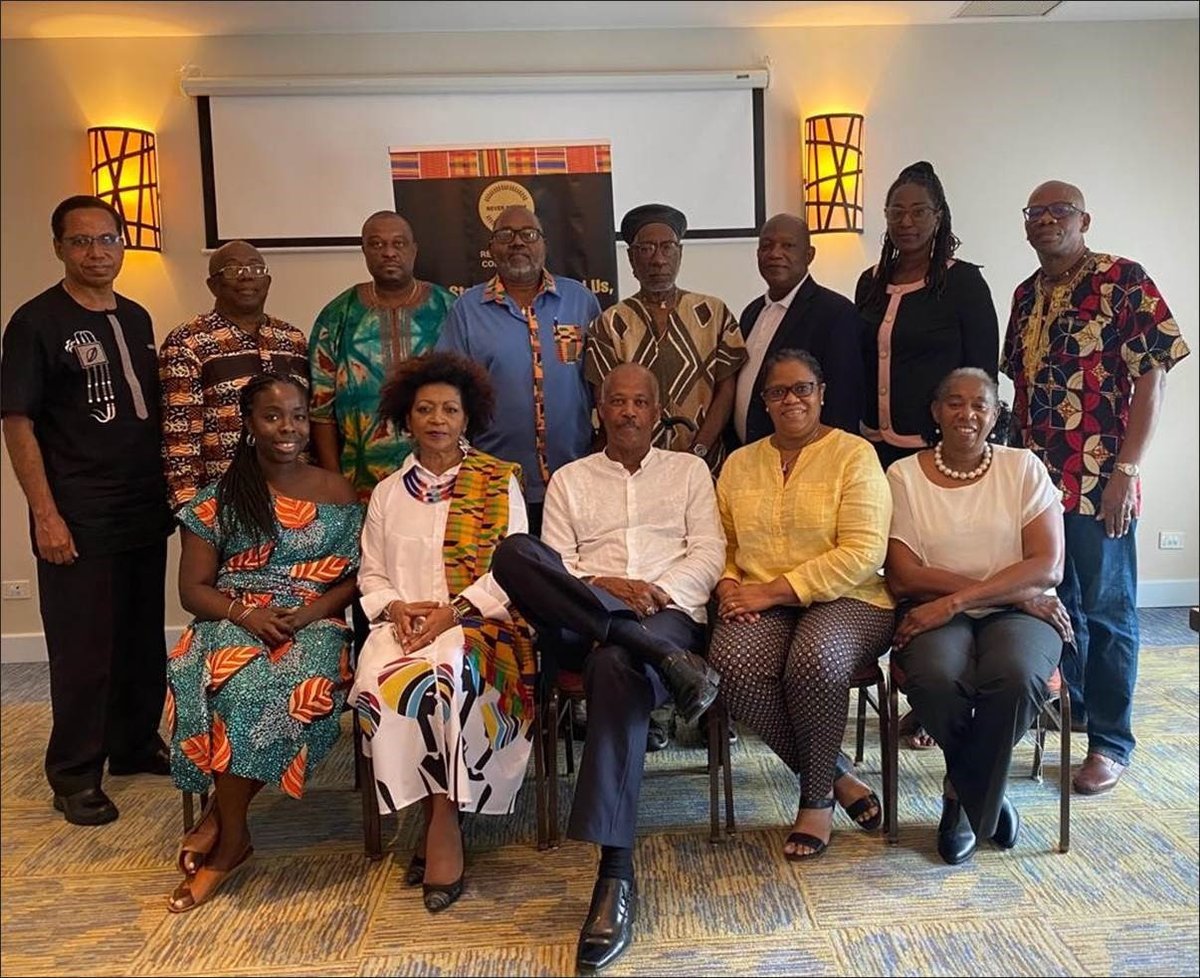
On the sidelines of the summit, on July 6, the Government of Saint Lucia and the CARICOM Secretariat co-hosted a CARICOM Reparations Forum. The dialogue focused on the Global Manifesto for Enlightenment, Socio-Economic Reparatory Justice Reporting, and Sustainable Development, reinforcing the region's continued push for reparatory justice as a driver of sustainable development.
Key speakers at the Forum included CRC Chair Sir Hilary Beckles, Earl Bousquet, Chair of the Saint Lucia National Reparations Committee, and Ambassador Dr. June Soomer, a member of the CRC.
Sir Hilary drew attention to the United Nations' recent adoption of a declaration recognising the trafficking of enslaved Africans and racialised chattel enslavement as the gravest crime against humanity. He argued the development fundamentally shifts the reparations debate from legitimacy to action.
"For 300 years, did we have a legal case for reparatory justice? The answer now is yes. The case has been made. There's nothing more to discuss whether there's a case or not. The question now is implementation and demand. That's where we are now at this moment. That is why Africa and the CARICOM are now in league, providing global leadership for the next phase," Sir Hilary said.