Prime Minister Gaston Browne has declared that the government will not allow criminals to enter Antigua and Barbuda through any Third Country National (TCN) agreement with the United States, drawing a firm line in ongoing bilateral negotiations.
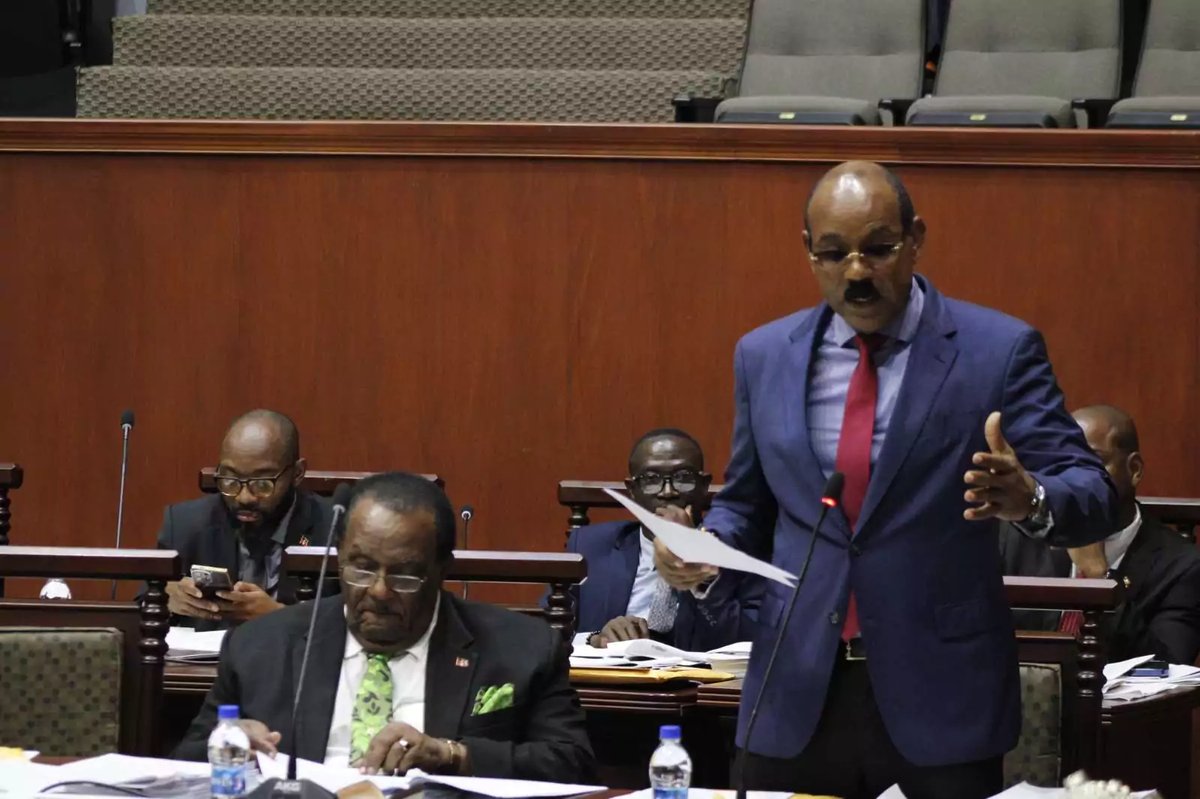
According to Antigua.news, Browne made the remarks during a parliamentary debate on a resolution tabled before Parliament, outlining the government's conditions for any operational agreement on the TCN programme.
The US administration has concluded agreements with more than 30 countries for the removal of third country nationals, including negotiations with several Caribbean nations — Jamaica, St Kitts and Nevis, St Lucia, Guyana and Grenada.
Browne said the government has engaged in talks with Washington but has rejected several iterations of the proposed agreement that did not expressly bar unaccompanied minors, persons with unresolved asylum claims, or individuals with criminal records beyond US visa and immigration violations.
"We're not seeking to protract these negotiations but as I said, we're not going to act out of haste and then get an agreement that ultimately will undermine our quality of life here in Antigua and Barbuda," the Prime Minister said.
Browne emphasised that Antigua and Barbuda will not become a "dumping ground" for violent criminals, insisting that any transfers must be governed by clear, written commitments. "No person should arrive in Antigua and Barbuda unless all legal, security, financial and administrative arrangements have been settled in advance and in writing," he said, adding that the government also requires a written commitment from the United States regarding financial support under the programme.
The Prime Minister pointed to a history of bilateral cooperation with the US — spanning trade, immigration and law enforcement — as context for the negotiations. He also cited Antigua and Barbuda's recent abstention from a UN resolution on Cuba as a further demonstration of the close relationship between the two countries.
The parliamentary resolution sets out several key principles governing the government's position: that any transfers be considered on a case-by-case basis, that open-ended intake arrangements are prohibited, and that the government retains the right to suspend or discontinue its participation in the programme at any time.