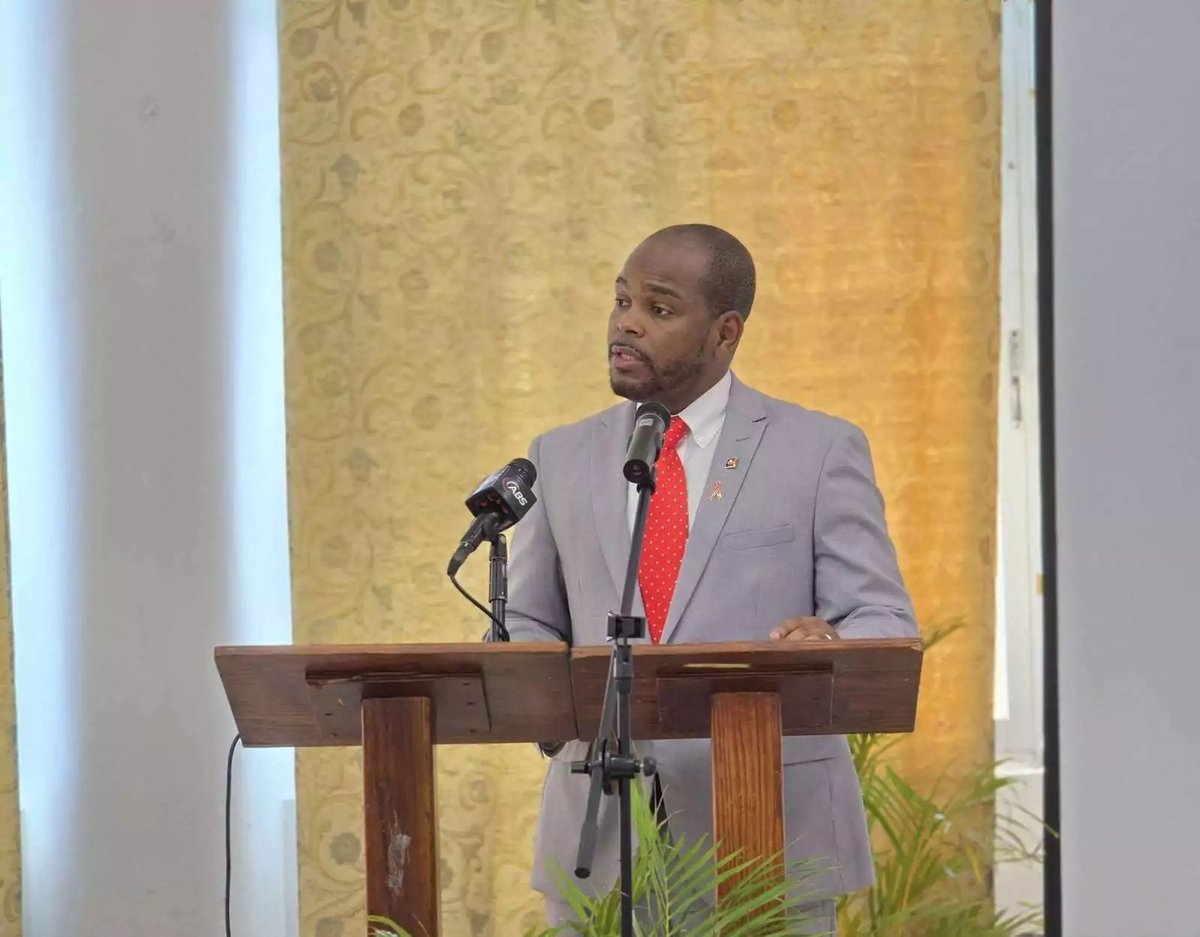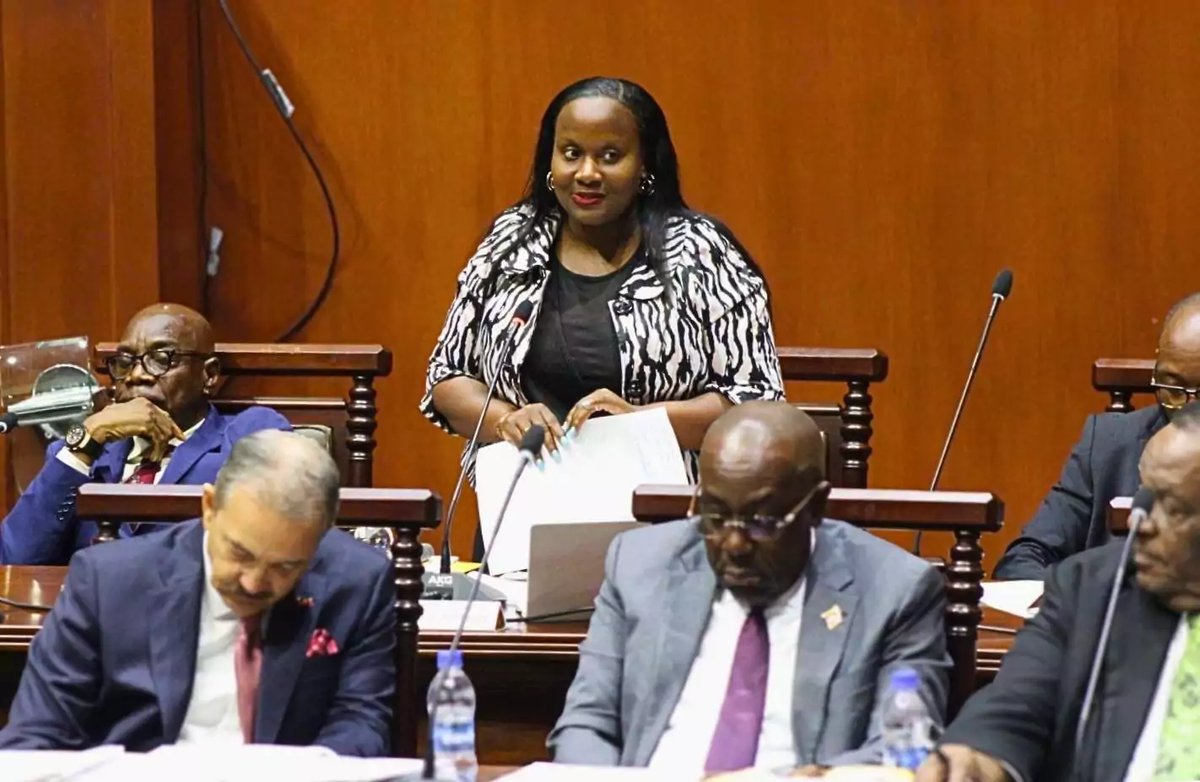
Minister of State in the Ministry of Social and Urban Transformation Kiz Johnson told the House of Representatives that the government's resolution on third-country nationals removed from the United States is built on firm safeguards — not blanket acceptance — and is designed to protect Antiguan communities while preserving the country's relationship with Washington.
"We are not being asked to approve the transfer of any individual to Antigua and Barbuda. We are not being asked to establish an open immigration programme. And we are not surrendering the sovereignty of Antigua and Barbuda," Johnson said during her parliamentary contribution.
The minister emphasised that the government had pushed back against the terms initially proposed by Washington, securing key protections in the process. "Instead of accepting an open-ended agreement, the government has insisted upon safeguards. Instead of accepting automatic transfers, the government has insisted upon individual consideration," she said. She added that the administration had "preserved complete sovereign control" and required funding arrangements to be in place before any transfer could proceed.
Johnson drew a direct line between the resolution and her own ministerial portfolio. "One of the responsibilities of the Ministry of Social and Urban Transformation is ensuring that our communities remain places where people feel secure, respected, and connected," she said. "Strong communities are not created by chance. They are built through thoughtful planning."
The minister was clear that no transfer would occur without individual scrutiny, framing the resolution as a public reassurance as much as a parliamentary one.
She also defended the government's diplomatic approach, characterising it as deliberate rather than easy. "It has engaged respectfully with an important international partner. It has negotiated firmly. It has identified concerns. It has strengthened the protections available to Antigua and Barbuda," Johnson said. She told the House the resolution asked members only "to affirm that if discussions continue, they must continue within a framework."
Closing her contribution, Johnson offered a straightforward measure by which she judged the resolution. "Will this decision strengthen Antigua and Barbuda and improve the lives of our people? This resolution helps to ensure that that answer remains yes," she said. She described the country as capable of being "compassionate without being careless, cooperative without compromising its independence, and responsible without surrendering its principles."