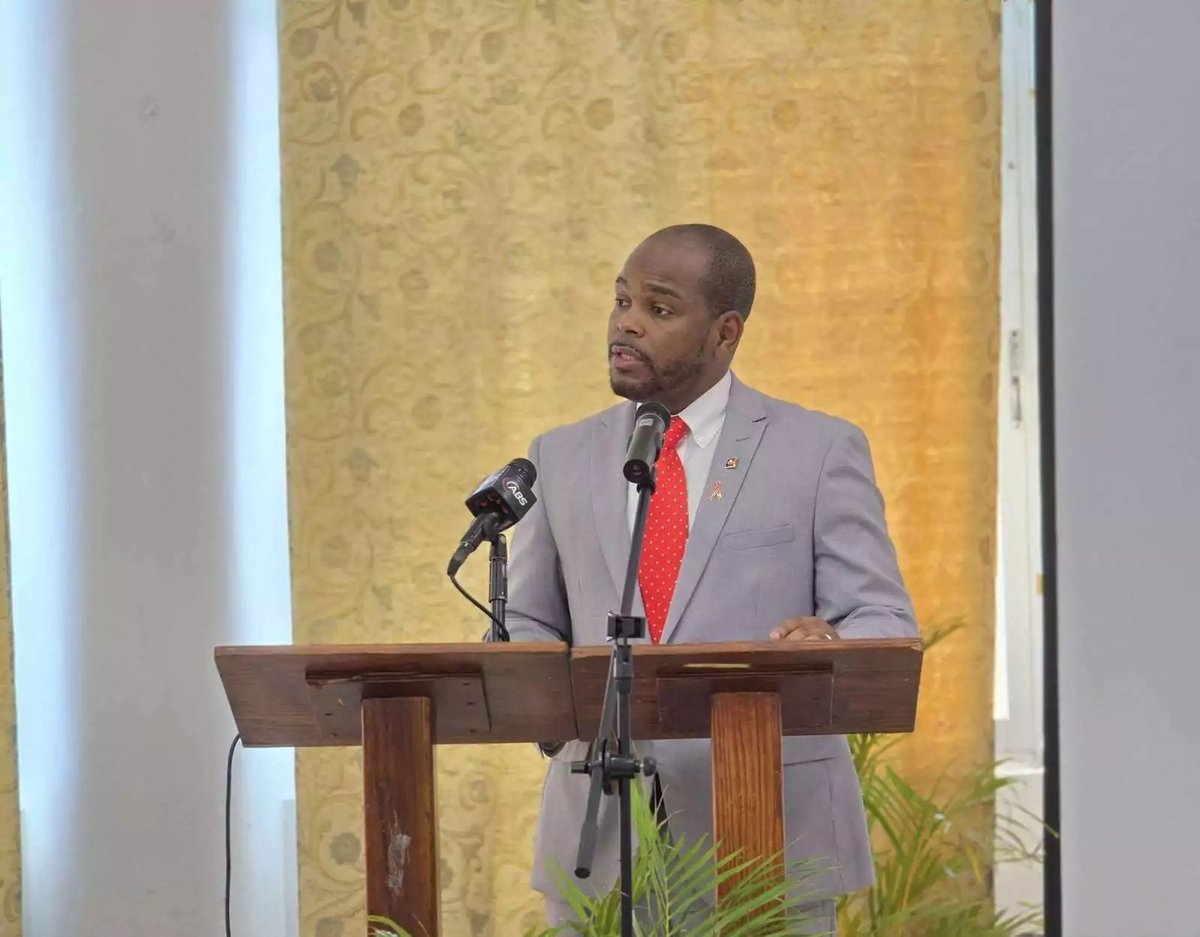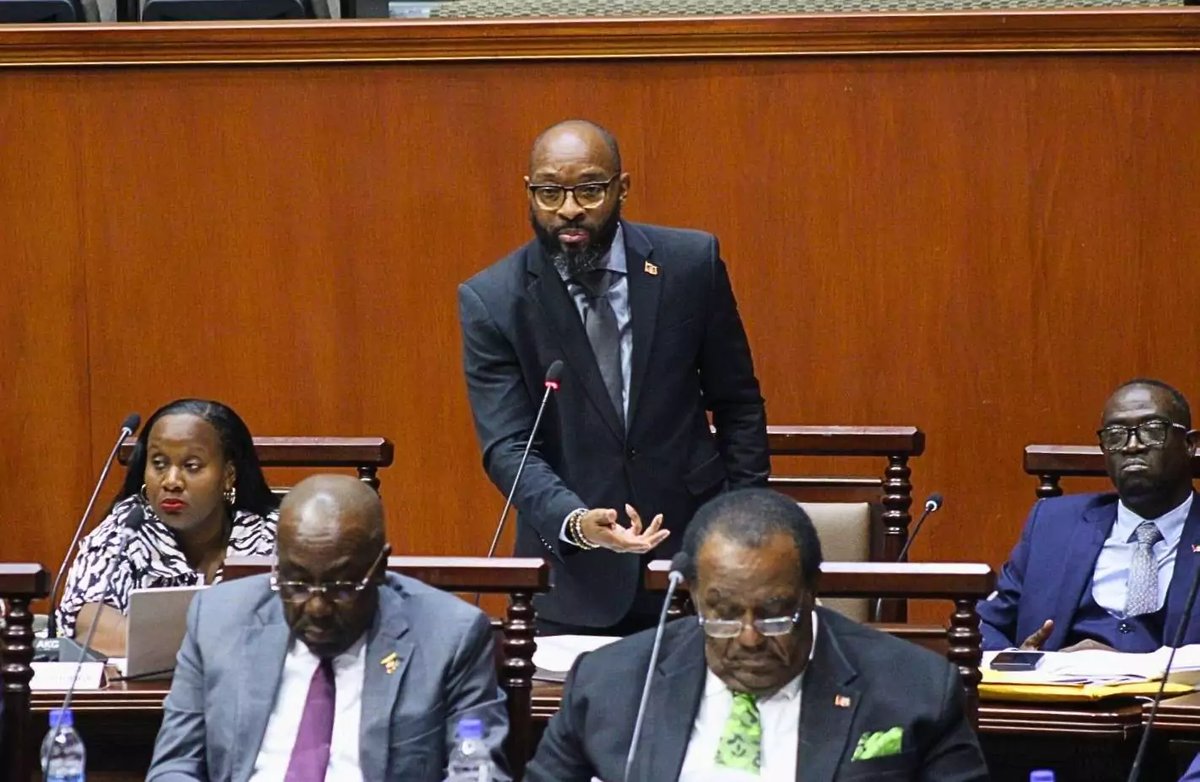
Minister of State within the Ministry of Tourism, Civil Aviation, Transportation and Investment Michael Freeland pushed back Tuesday against Barbuda MP Trevor Walker's complaints about insufficient notice on the government's resolution regarding third-country nationals, asserting that the issue has been public for months and that no other country has brought similar deportee terms before its parliament.
Freeland dismissed Walker's objection that he received the resolution and its attachment only over the weekend and the night before the House of Representatives sitting, pointing to the public record as evidence the matter was far from new.
"This has been an issue that has been in the public for several months now. It's not a new issue," Freeland said. He noted that Prime Minister Gaston Browne had already referenced the memorandum of understanding signed with Washington in a public remark on January 5, 2026, and that the government's white paper on the matter had been released through the Prime Minister's Office on July 2.
Freeland framed the decision to bring the resolution before the House as a demonstration of transparency, not vulnerability. "There has been no other country who has had this issue debated in their parliament. None," he said.
The minister described the white paper's contents as non-binding proposals rather than a finalised agreement, and pointed to the pace of negotiations with Washington as evidence Antigua and Barbuda retained meaningful leverage.
"The fact that we can have a discussion with the United States where they have made a proposal back in May, three days later we come back and say, listen, this is a counterproposal… indicates that we have cards," Freeland said. "If we didn't have any cards, guess what would have happened? The U.S. would have just said, listen, we're sending these people on the plane tomorrow and take them."
Freeland said the government had outlined specific conditions under which it would accept third-country nationals rather than flatly refusing the US request, citing smaller intakes accepted by other Caribbean states as context for its approach.
Closing his contribution, Freeland challenged the opposition to propose alternatives rather than oppose the resolution outright. "If it is that the members of the opposition could add value to a document like this, then that is what an opposition is supposed to do, not to oppose for opposing's sake," he said. He added that the government remained prepared to negotiate with Washington, and that the resolution "speaks volumes as to how we care for the people of Antigua and Barbuda."