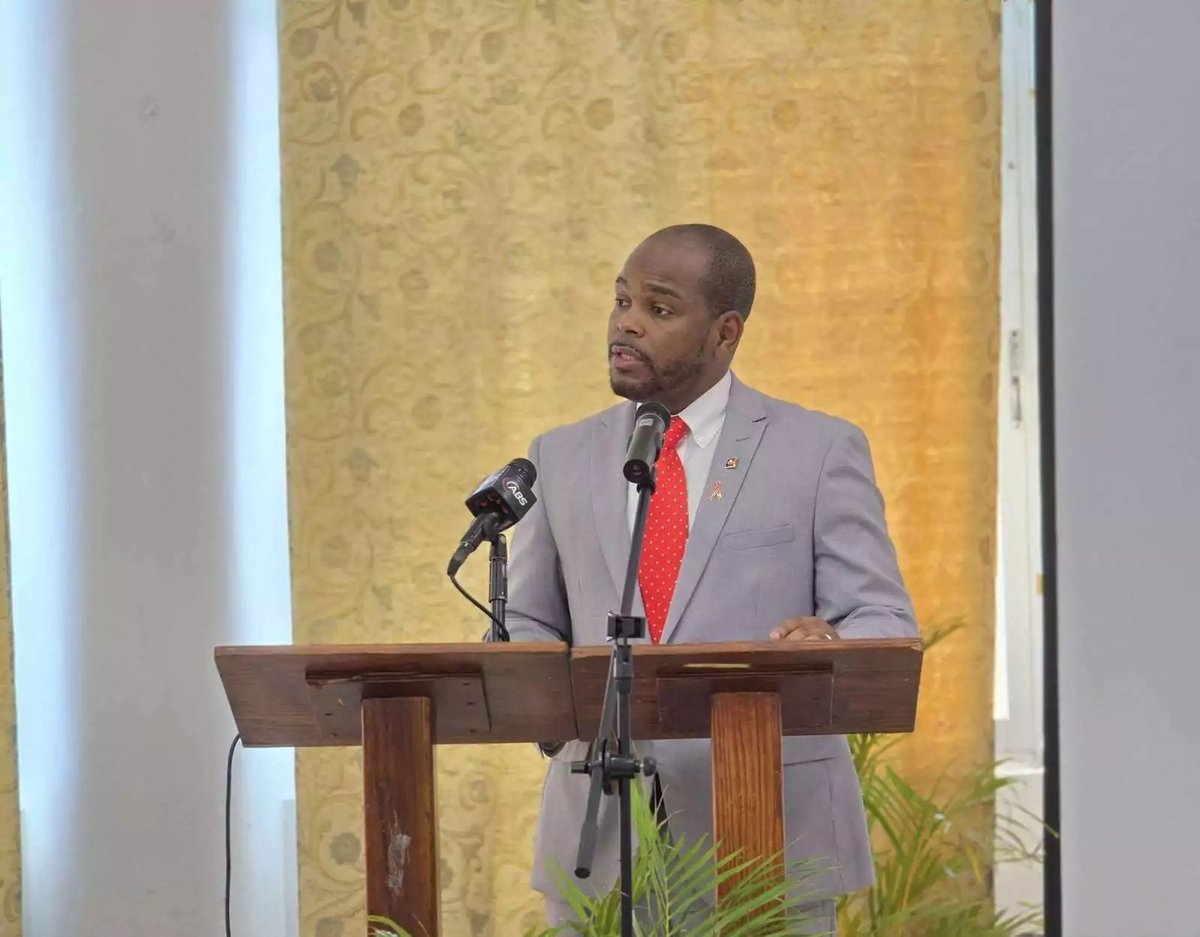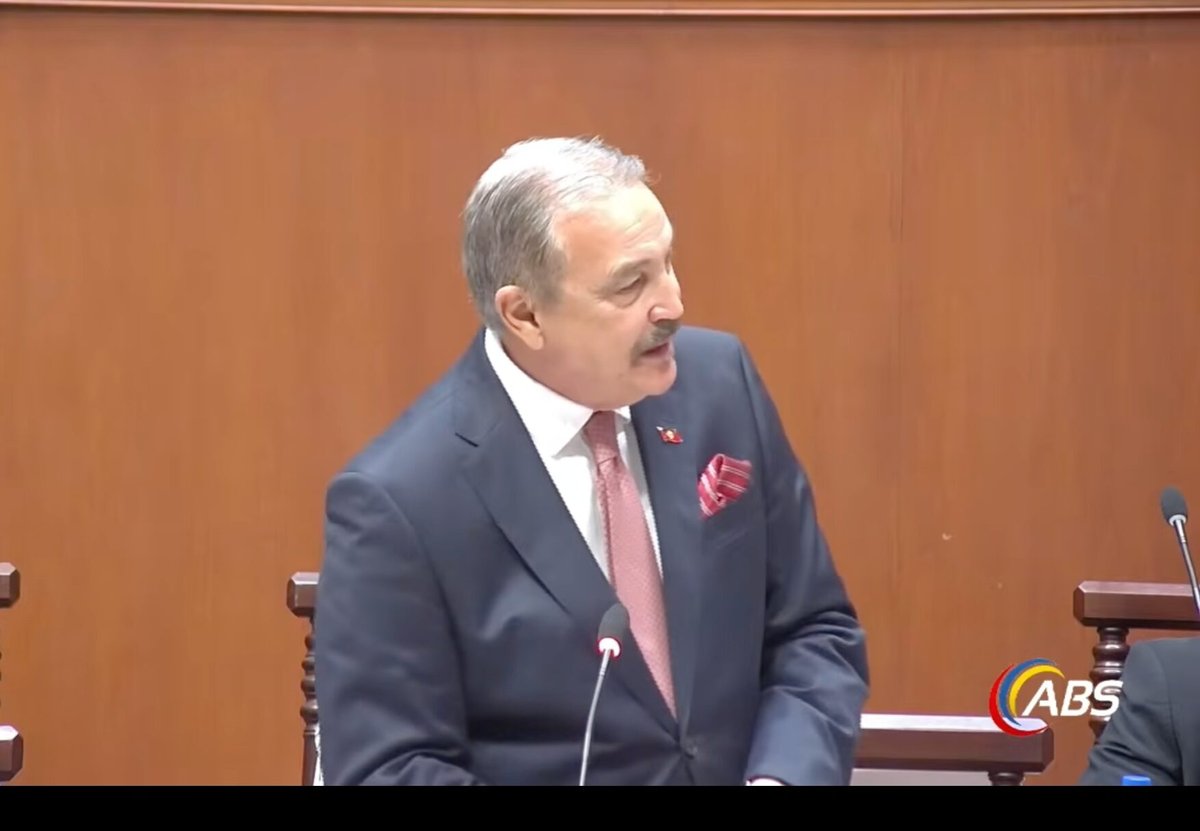
Tourism Minister Charles Fernandez has urged Antigua and Barbuda to carefully balance protecting its national interests against preserving its vital relationship with the United States, cautioning that a breakdown in ongoing negotiations could have severe consequences for the country's tourism-dependent economy.
According to Antigua News Room, Fernandez made the remarks in Parliament during debate on a resolution outlining the principles that will guide negotiations with Washington over the possible transfer of third-country nationals.
"The point I'm making is yes, might is right," Fernandez told lawmakers, arguing that the country must pursue a pragmatic approach while firmly defending its sovereign interests.
Fernandez said tourism accounts for approximately 60 to 65 percent of Antigua and Barbuda's gross domestic product, making it imperative that the government avoid any actions that could jeopardise the industry. He pointed out that the United States holds the authority to restrict American carriers from operating to destinations in the region — a scenario he described as potentially devastating for the local economy.
"If we lose our tourism," he warned, "60, 65 percent of GDP [would go] down the drain."
The minister stressed that the economic fallout would extend well beyond the hotel sector, affecting thousands of workers across the industry, including restaurant staff, tour operators and others whose livelihoods depend directly on visitor arrivals.
Fernandez said the government therefore could neither reject negotiations outright nor simply accept every proposal put forward by Washington.
"So it is a balancing act," he said. "We have tried to strike a balance whereby we can stand up and say with dignity and pride, this is what we obtained, this is what we asked you to put into the agreement and that is what we're looking for."
The tourism minister also invoked Antigua and Barbuda's experience during its World Trade Organization dispute with the United States over online gaming, noting that the country faced sustained pressure from Washington even after securing a favourable ruling. He said the episode illustrated the considerable challenges small states encounter when negotiating with larger, more powerful nations and reinforced the need for a measured, strategic approach.
Fernandez additionally criticised Opposition Leader Jamale Pringle for not participating in the parliamentary debate, describing the matter as one of national importance that warranted input from all sides of the House.