The Government of Antigua and Barbuda has tabled a Resolution in the House of Representatives outlining the principles that would govern any future arrangement involving the possible transfer of third-country nationals removed from the United States.
The Resolution is intended to establish a clear policy framework to guide continued discussions while protecting Antigua and Barbuda's sovereignty, national security, legal obligations, administrative capacity and financial interests.
In an unprecedented move toward transparency, the Government is also publicly releasing both the original proposal submitted by the United States and Antigua and Barbuda's official response — making it the first country to disclose such documents in full. Officials confirmed that the documents show no binding agreement has been signed and no arrangement has been concluded between the two countries.
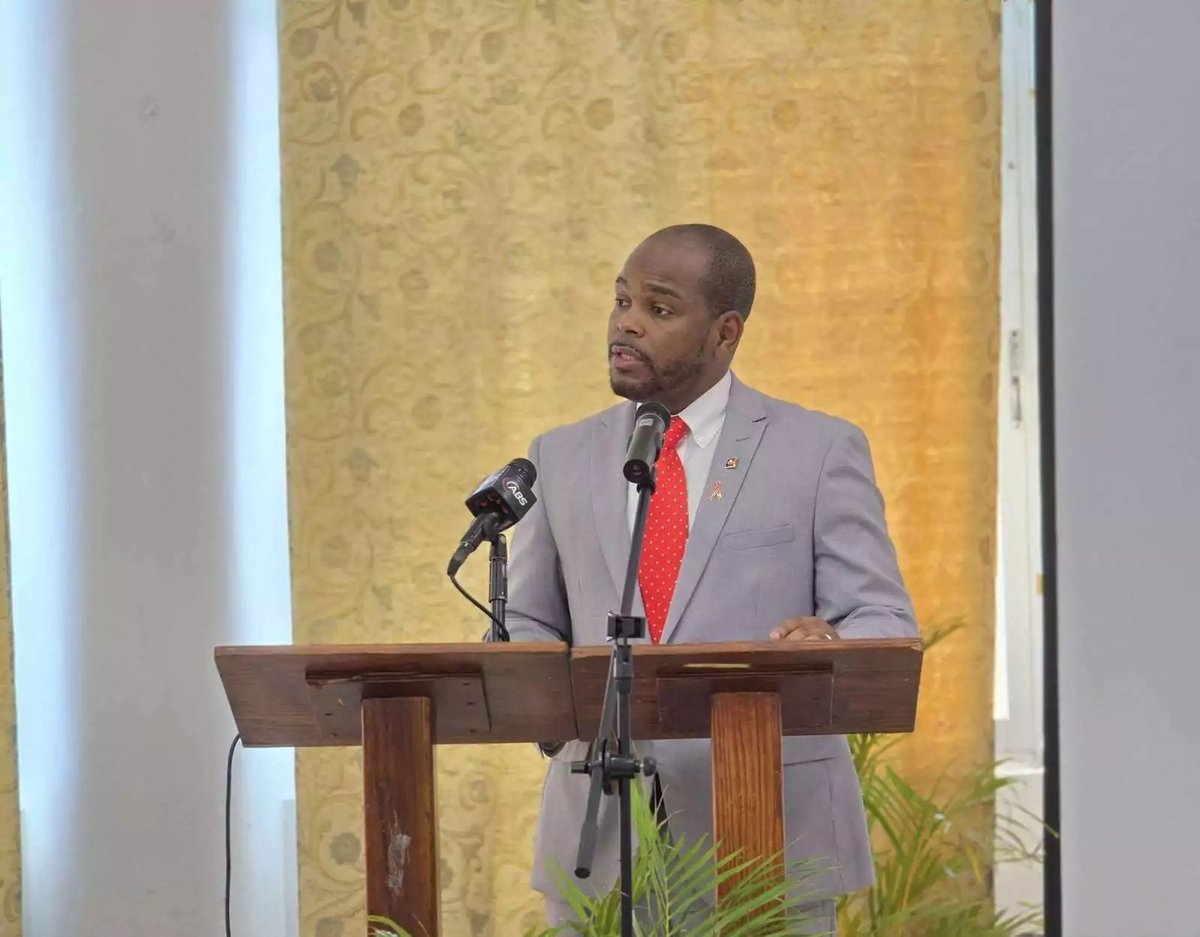
Prime Minister Gaston Browne said the administration is committed to handling matters of this magnitude openly and under parliamentary scrutiny.
"This Government believes that matters of such legal, humanitarian, financial and security importance must be handled openly and with respect for Parliament. By bringing the full proposal from the United States, and our response, before the House of Representatives, Antigua and Barbuda is demonstrating transparency and accountability, while maintaining our longstanding friendship and cooperation with the Government and people of the United States," Browne said.
The proposed Resolution sets out the safeguards under which discussions may continue, while preserving Antigua and Barbuda's authority to accept or reject any proposed transfer on a case-by-case basis. Key principles include no automatic or open-ended programme, no predetermined quota of persons to be accepted, and no transfer without the Government's prior approval in each individual instance.
The framework further stipulates that comprehensive legal, operational, financial and administrative arrangements must be agreed to in writing before any transfer can proceed. The Government would also require satisfactory provisions covering identity verification, travel documentation, accommodation, funding, legal status, security, support services, and responsibility for any onward movement or return before considering any proposal.
While reaffirming Antigua and Barbuda's longstanding friendship with the United States, the Government stressed its constitutional duty to protect the interests of its citizens. Bringing the matter before Parliament ensures that any future policy decisions remain subject to democratic oversight, public transparency, and the safeguarding of the nation's institutions, resources and social stability.