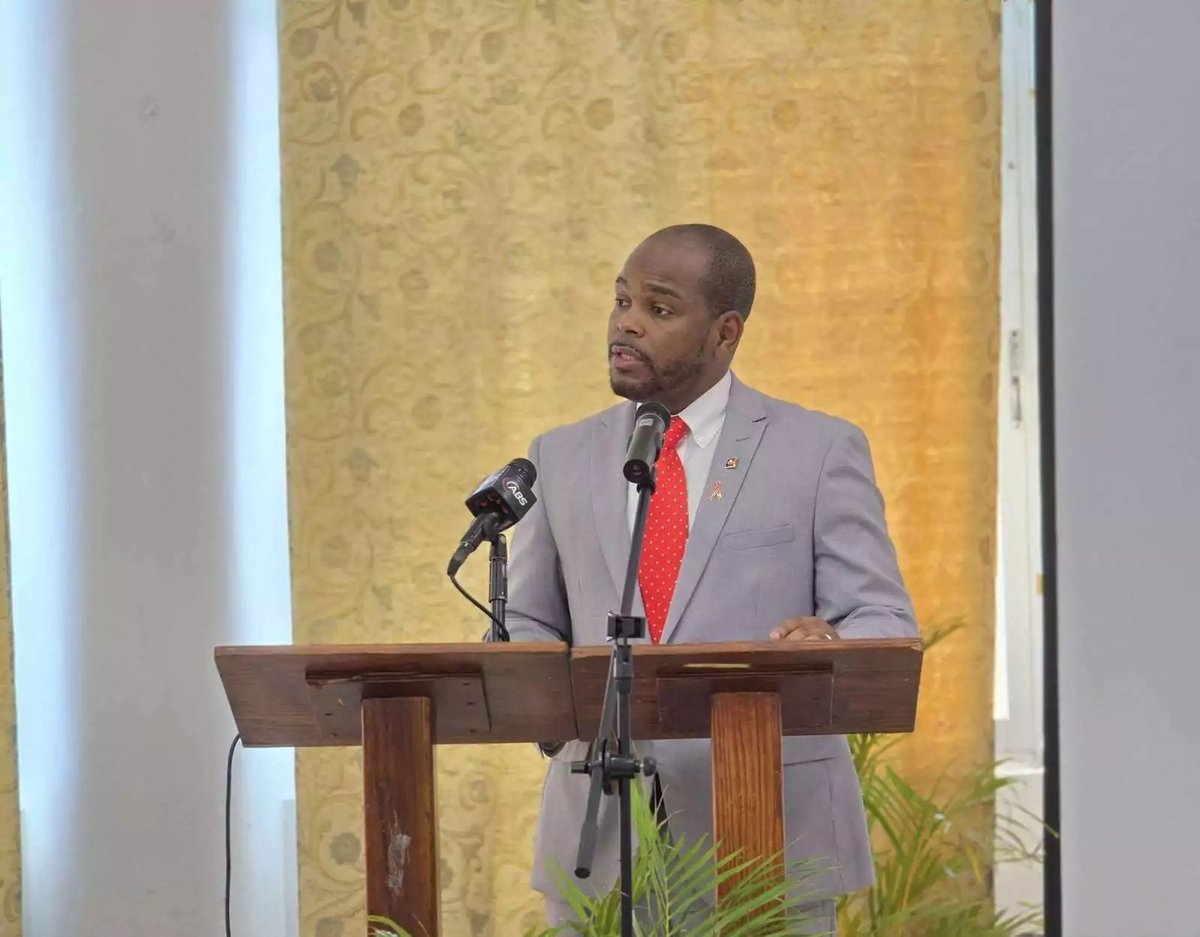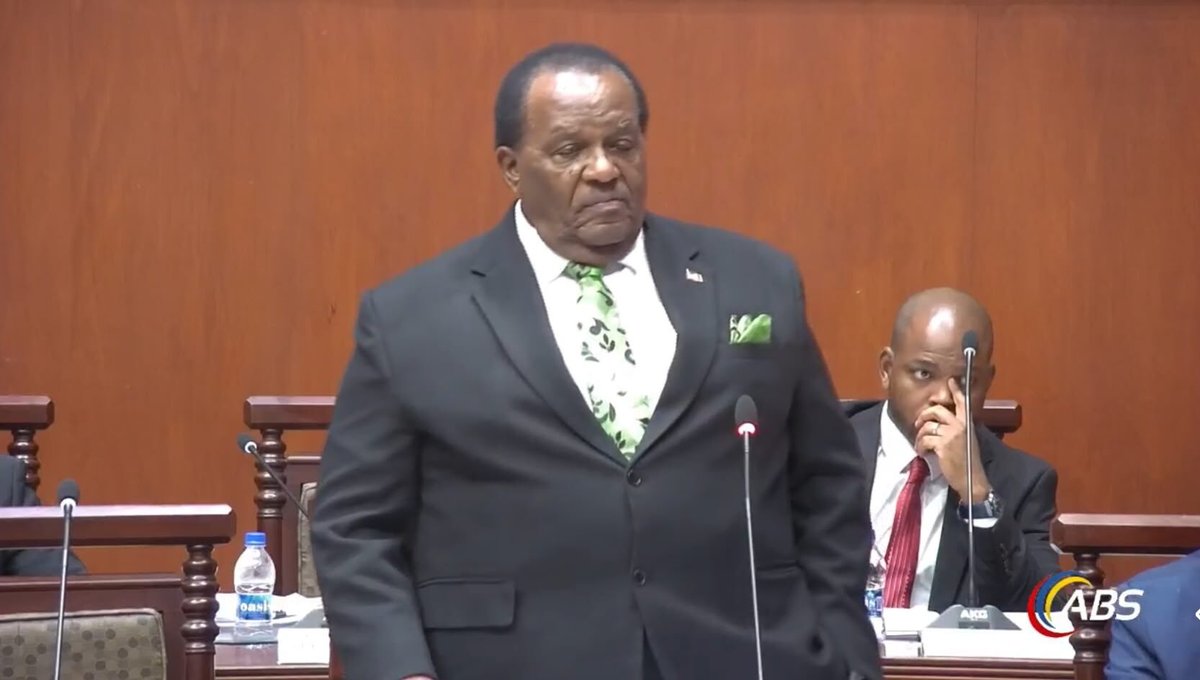
Attorney General Sir Steadroy Benjamin has revealed that Antigua and Barbuda accepted the return of five of its citizens deported by the United States between March 2025 and June 2026. According to Antigua News Room, Benjamin made the disclosure on Tuesday as Parliament debated a resolution establishing principles for a potential agreement on the transfer of third-country nationals.
Benjamin confirmed that the five individuals were deported by U.S. Immigration and Customs Enforcement (ICE), stating that receiving them was an unambiguous government responsibility. "Between March 2025 and June 2026, this country accepted all five nationals identified by ICE for deportation," he told lawmakers. "That is our responsibility towards our own citizens."
The attorney general drew a clear distinction between those deportations and separate, ongoing discussions with Washington regarding the possible transfer of non-citizens removed from U.S. territory. He stressed that while Antigua and Barbuda is legally obligated to receive its own nationals, no such obligation extends to third-country nationals.
Benjamin was also at pains to clarify the scope of what Parliament was being asked to approve. No final agreement with the United States currently exists, he said, and lawmakers were not being asked to endorse one.
"The White Paper is not presented as a complete agreement, nor is this House being asked to approve a conclusive operating agreement. None exists," he said.
Instead, Parliament was being asked to endorse the governing principles that would shape future negotiations, while preserving sufficient flexibility for the Executive to pursue improved terms. "The role of this Parliament is to determine the governing principles and the limits within which the Executive may proceed," Benjamin said.
The attorney general reiterated that Antigua and Barbuda would retain full discretion over any proposed third-country national, with no automatic admissions permitted under any future arrangement. He outlined a series of safeguards that any final agreement would need to include — among them, the exclusion of individuals with criminal records, unresolved protection claims, or incomplete documentation.
Benjamin added that all financial obligations linked to any transfer would have to be guaranteed in writing before any individual arrives in Antigua and Barbuda. He described these conditions as essential to protecting the country's sovereignty, security, and legal obligations, while allowing the government to continue negotiations under a clear parliamentary mandate.