Trade unions across the Caribbean are being challenged to broaden their mandate beyond traditional labour issues and place greater emphasis on human rights and protecting workers from discrimination.
According to Antigua News Room, that message emerged from a recently concluded three-day workshop in Antigua that brought together representatives from several trade unions and special interest groups to examine the implementation of ILO Convention 190.
The workshop, facilitated by Public Services International (PSI) and the FNV Rainbow Network, sought to strengthen the capacity of unions to address violence and harassment in the workplace while advancing the rights of LGBTIQA+ workers in public services unions throughout the Caribbean.
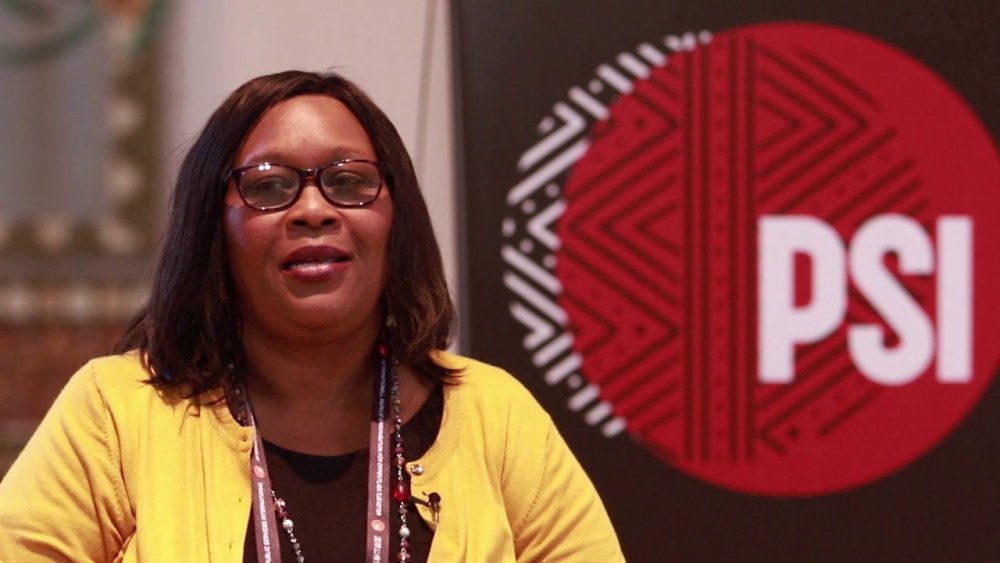
Speaking after the workshop, PSI Sub-Regional Secretary for the Caribbean Sandra Massiah said a key challenge within the region is that many unions have not given sufficient attention to human rights issues, particularly discrimination.
"What I recognize, because we've been doing these workshops across the Caribbean, is that a number of our unions are not focusing as much as perhaps they ought to be on human rights issues," Massiah said.
She explained that deeply ingrained beliefs can sometimes prevent union representatives from recognising discrimination in all its forms. "The indoctrination that they may have had, religious or otherwise, tends to cloud issues and understanding what discrimination is. In a lot of cases, it's unconscious discrimination, and that is what needs to be tackled first."
Massiah stressed that building stronger, more inclusive workplaces requires more than a working knowledge of labour law. It also demands developing the attitudes and skills needed to confront prejudice and ensure every worker is treated with dignity and respect.
The workshop provided detailed training on Convention 190 with the aim of strengthening the teaching and leadership abilities of trade unionists, enabling unions to become more self-reliant in educating their own members.
Participants also reviewed Antigua and Barbuda's draft legislation on the prevention of sexual harassment and violence in the workplace. The legislation was examined alongside Convention 190 and its accompanying recommendations to identify areas where it could be strengthened before being brought before Parliament.
Massiah noted that the timing of the workshop presented a valuable opportunity for unions to formulate recommendations and develop strategies to advocate for legislation that fully reflects the international standard Antigua and Barbuda has already committed to by ratifying Convention 190.
She also praised the level of engagement shown by participants, which included shop stewards and executive members from the Antigua and Barbuda Workers' Union. Massiah said the discussions reflected a growing openness to conversations once considered difficult within the labour movement.
"There's discussion. People are talking about things that used to be taboo to talk about in unions before. So we're making progress, and it's something that we continue to build on."
Massiah expressed optimism that the workshop marks another step toward ensuring Caribbean trade unions become stronger advocates not only for better wages and working conditions, but also for workplaces free from violence, harassment and discrimination for every worker.