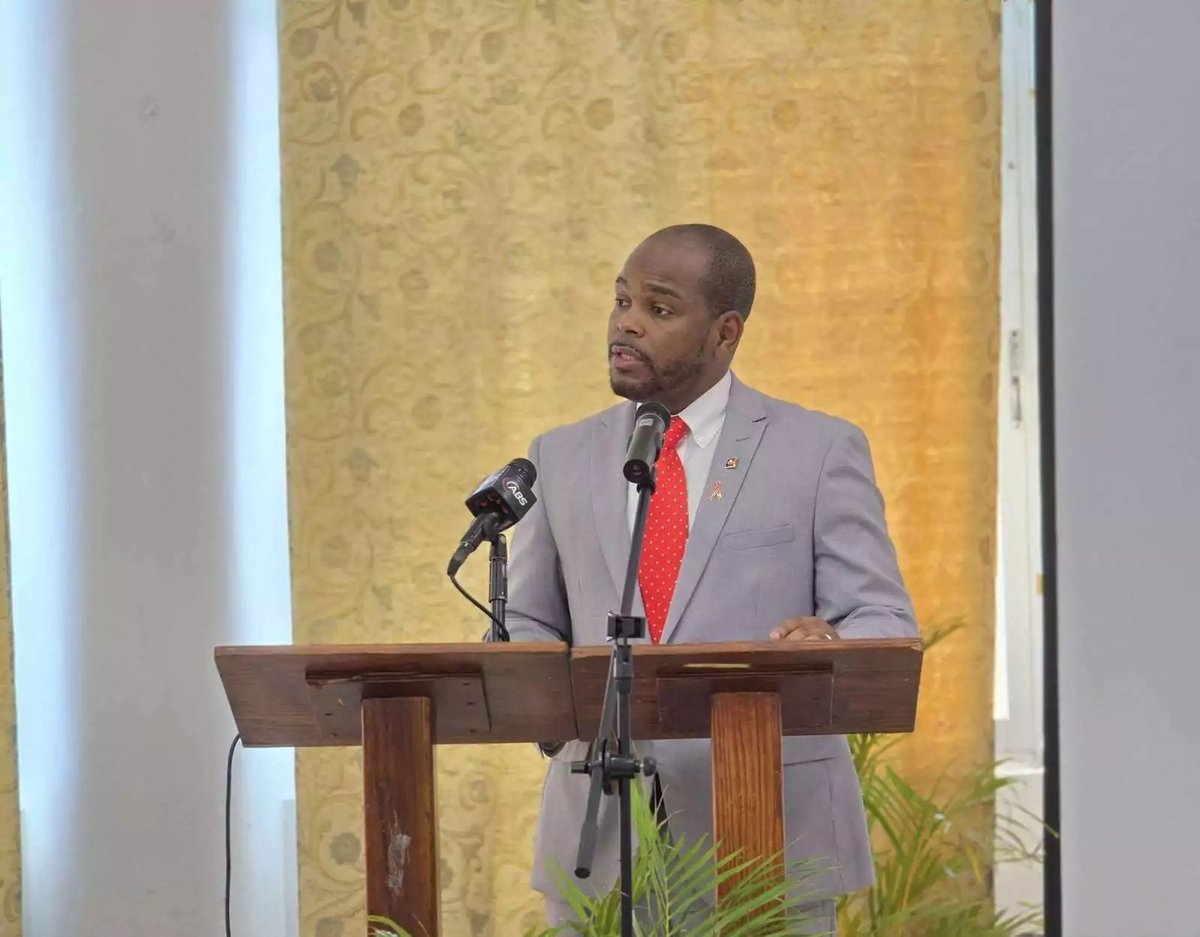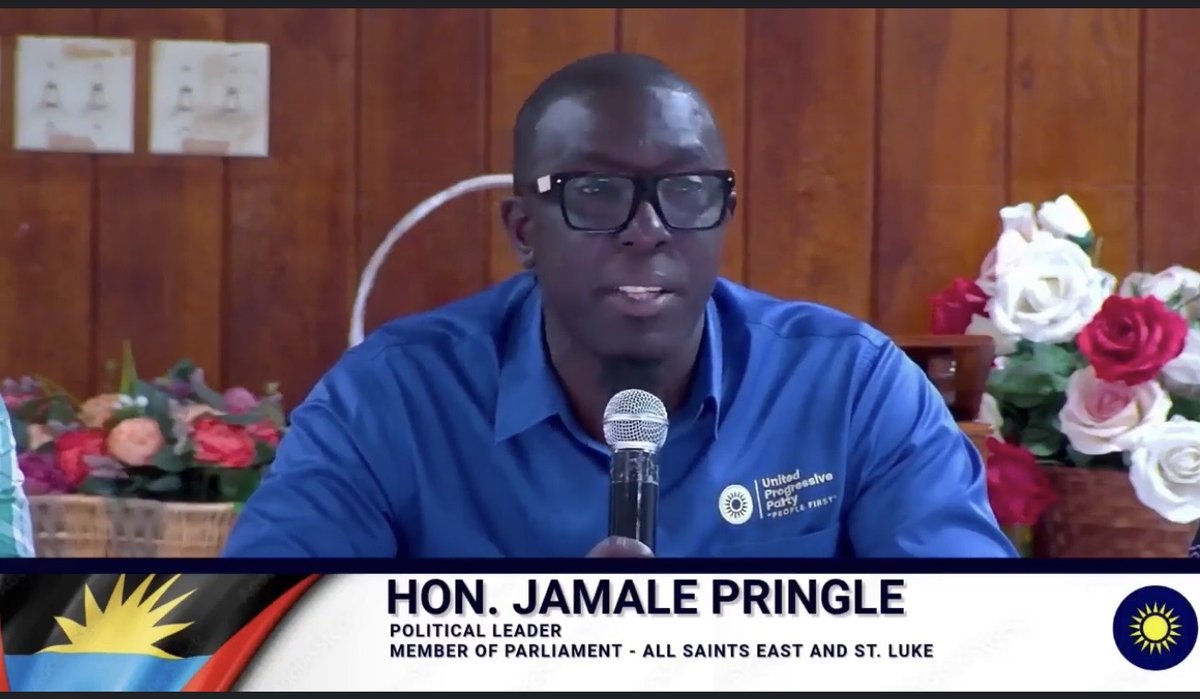
Opposition Leader Jamale Pringle is warning that Antigua and Barbuda lacks both the legal framework and institutional capacity to properly manage third-country deportees, arguing that the government's proposed arrangement with the United States could place significant additional strain on the country's public services.
According to Antigua News Room, Pringle raised the concerns during a United Progressive Party town hall meeting focused on the proposed deportee agreement, pointing to what he described as significant legal and operational gaps acknowledged within the government's own White Paper.
Pringle noted that Antigua and Barbuda currently has no standalone Refugees Act and no legislation to deal with stateless or non-removable persons — despite the White Paper outlining the possibility that transferred migrants could fall into precisely those categories.
"According to the White Paper, Antigua and Barbuda lacks a standalone Refugees Act," he said. "There is no legal mechanism to resolve statelessness."
He argued that individuals who cannot be returned to either their home country or the United States could become trapped in legal limbo, leaving the country without the necessary laws to determine or resolve their status.
Pringle said those concerns extend well beyond immigration policy, touching on the country's broader ability to absorb additional people who would require government services. He noted that even if the government initially limits the number of transfers, accepting any deportees would trigger international obligations that Antigua and Barbuda is not currently equipped to fulfill through domestic legislation.
The opposition leader also pointed to language within the White Paper itself, which states that Antigua and Barbuda is a small state with limited absorptive capacity and already-stretched public services. He said the document further warns that receiving deportees could negatively affect public order and social cohesion.
"So already they're telling us they're coming, but we're not in a position to manage them because it can affect public order and social cohesion," Pringle said. "If you know all the challenges that this is going to pose, how are you still telling us it's not a matter of if they're coming?"
Pringle questioned what practical arrangements would be in place should the agreement proceed, including where deportees would be housed and how the government would address the legal and administrative complexities surrounding their status.
He maintained that Parliament cannot meaningfully debate the proposal without access to the underlying Memorandum of Understanding and related operating documents, arguing that lawmakers are currently being asked to consider only the government's interpretation of the agreement rather than the agreement itself.
The government has indicated that Parliament is expected to debate the White Paper on the proposed third-country deportee arrangement.