Prime Minister Gaston Browne has credited his administration's housing initiatives with significantly reducing wealth inequality in Antigua and Barbuda, pointing to a marked improvement in the country's Gini coefficient since 2014.
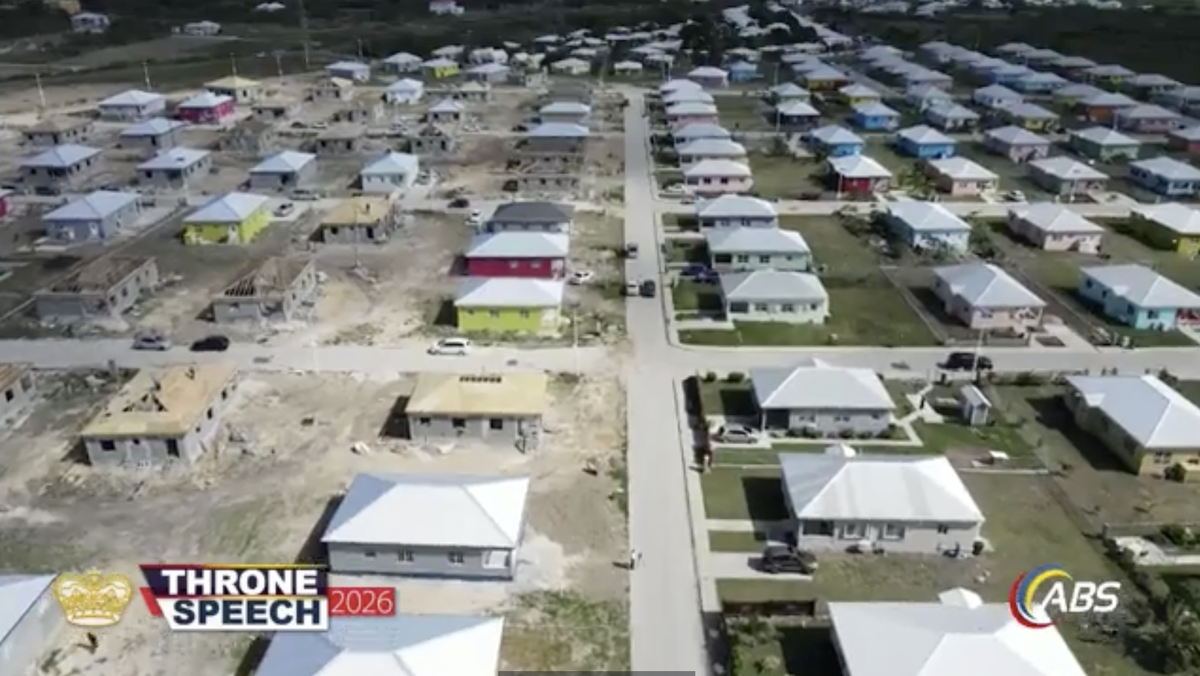
According to Antigua News Room, Browne made the remarks during an appearance on the Brown and Brown Show on Sunday, highlighting programmes such as the Housing Assistance Programme for Indigent People (HAPI) and affordable housing developments as key instruments of wealth distribution.
"Every time we build those properties and someone benefits from the properties, we are transferring wealth to the ordinary man, the ordinary woman," Browne said.
The prime minister stated that when his administration took office in 2014, Antigua and Barbuda's Gini coefficient — a statistical measure of income and wealth inequality — stood at 0.87. He said that figure has since fallen to 0.47.
"The Gini coefficient, which is a measure of the skewness of wealth in Antigua and Barbuda, was extremely high when we came in 2014. It was 0.87. We now got it down to 0.47," Browne said.
He explained that the closer the coefficient is to one, the more concentrated wealth is among a small group. "It means that the wealthy people are making all the money," he said, arguing that the decline reflects a broader distribution of wealth across the population.
Browne also pushed back against critics who contend that the country's economic gains have benefited only a narrow segment of society. He suggested that allegations of corruption and misuse of public resources were inconsistent with the country's improving statistical indicators.
"If indeed, as they try to claim, there is so much corruption within the country and we're wasting public resources… it would have shown in the country's stats," he said.
The prime minister further cited improvements in Antigua and Barbuda's fiscal position and rising per capita income as additional evidence of economic progress under his administration.