Prime Minister Gaston Browne has declared that Antigua and Barbuda continues to rank among the safer countries in the Caribbean, even as the nation contends with a handful of homicides and a rise in petty crime.
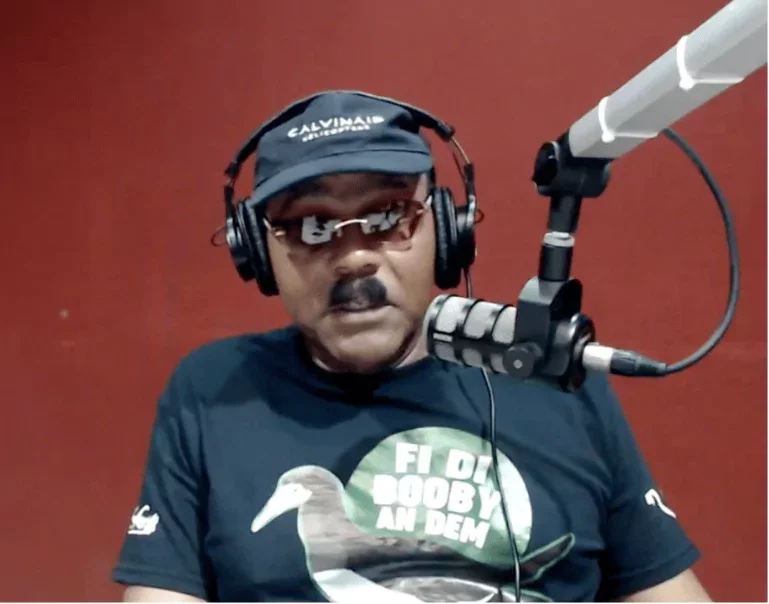
According to Antigua News Room, Browne made the remarks during an appearance on the Brown and Brown Show on Sunday, where he reaffirmed that public safety remains a central priority for his administration — both to protect residents and to preserve the country's reputation as a destination for tourists.
"I want to make sure that Antigua and Barbuda remains safe," Browne said.
The prime minister acknowledged that the country has recorded several homicides so far this year, but said the figures remain comparatively low within the region. "I think we have as many as four, and we're about mid-year. So we're doing well in the circumstances," he said. "When you look at what is happening in other Caribbean countries within the OECS, we're doing remarkably well."
Browne attributed most of the killings to domestic disputes and called on citizens to settle conflicts peacefully. "I just want to encourage our people to continue to resolve their conflicts amicably and not to resort to the type of violence that will result in homicides and increase our homicide rates," he said.
The prime minister stressed that the country must remain welcoming and secure for all. "Antigua and Barbuda must be safe for the nationals, the citizens, the residents and also for visitors who come to this country. They must feel as though they're coming to a place where they can enjoy themselves without having to worry about crime and violence."
Browne also raised concern about a recent uptick in chain-snatching incidents, noting that police are actively developing strategies to apprehend those responsible. He said the offenders tend to be young, with some believed to be teenagers.
Despite this, the prime minister pointed to government intervention programmes as a source of progress. He said a number of young people previously involved in gang activity have since received skills training that has helped redirect their lives. "We have saved a number of them and reformed them to the extent that many of them now have a skill," Browne said, adding that the government plans to expand educational and training opportunities to continue supporting their development.