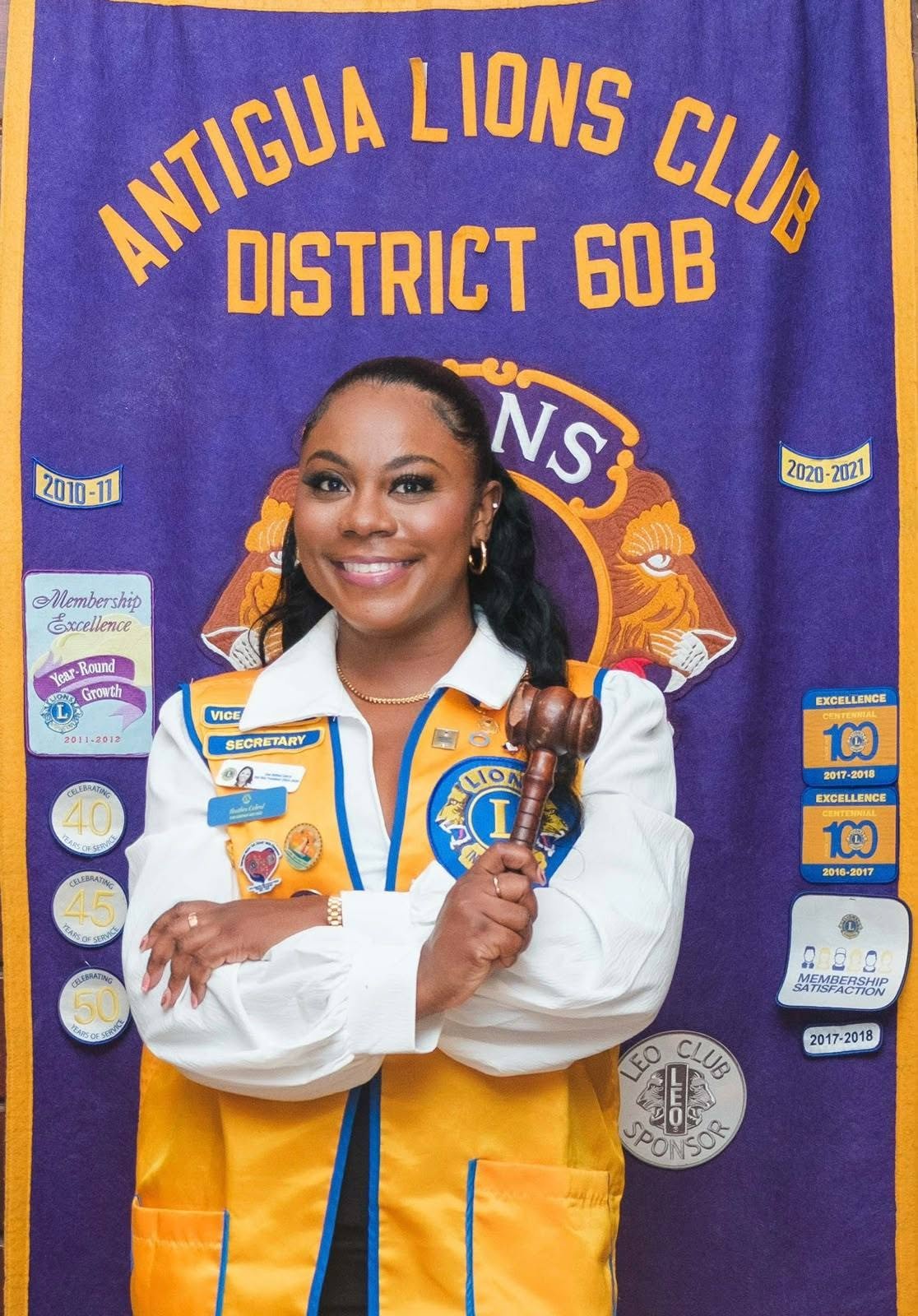
The Lions Club of Antigua is calling renewed attention to the value of volunteerism, highlighting more than five decades of community-driven service across Antigua and Barbuda. According to Antigua News Room, the appeal comes from Ileathea Cabral, a Melvin Jones Fellow and President of the Lions Club of Antigua.
In a reflective piece, Cabral argues that the strength of any nation is measured not only by its economic prosperity but also by the willingness of its citizens to serve one another. In an era increasingly dominated by personal and professional demands, she contends that volunteerism remains one of the most powerful forces for positive change.
Lions Clubs International, founded in 1917 by Melvin Jones in Chicago, Illinois, was built on the belief that community and business leaders should apply their talents to improving the lives of others. Today, it has grown into the world's largest service organisation, with more than 1.4 million members across over 200 countries and geographic areas. Its work spans health, hunger relief, education, youth development, environmental sustainability, and disaster response.
The Lions Club of Antigua was chartered in 1968 and has since maintained a steady presence in the country's social and health landscape. The Club operates entirely through volunteers who contribute their time, skills, and resources in service to their fellow citizens.
Among its most visible initiatives is the Weekly Hot Meals Programme, which delivers nutritious meals to vulnerable individuals and families experiencing food insecurity. For many recipients, Cabral notes, a warm meal represents more than sustenance — it is a sign that their community has not forgotten them.
Healthcare also forms a central pillar of the Club's mission. Its Annual Prostate Screening Programme, now in its eighteenth year, has become one of the largest men's health initiatives in Antigua and Barbuda. Hundreds of men participate each year, benefiting from early detection and greater awareness of prostate cancer — factors that Cabral says have contributed to improved health outcomes across the nation.
Beyond its flagship programmes, the Club responds to individual medical assistance requests throughout the year. This includes helping people access critical treatment, purchasing mobility aids, supporting surgeries, and addressing specialised healthcare needs — work that Cabral describes as often carried out quietly, but with meaningful impact on families facing serious hardship.