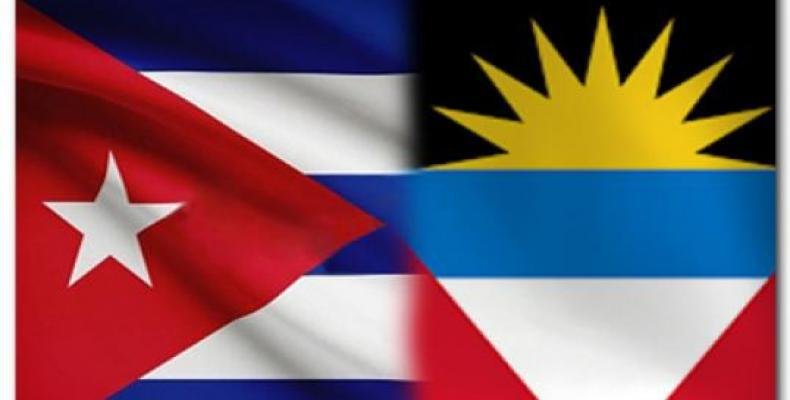
The Cuban Embassy in Antigua and Barbuda has accused the United States of pressuring governments worldwide to block United Nations debate on the decades-old U.S. embargo against Cuba, describing the policy as a violation of international law with severe humanitarian consequences.
According to Antigua News Room, the embassy published a statement Saturday citing a recent article by The Nation newspaper, which alleged that U.S. Secretary of State Marco Rubio instructed American embassies to lobby host governments to prevent discussion of the embargo at the upcoming UN General Assembly session. The reported directive, the embassy argued, forms part of a broader effort by Washington to silence international criticism of its sanctions policy toward Cuba.
"The United States is attempting to impose a global gag order," the embassy statement said, alleging that governments are being pressured not to denounce — or even discuss — the embargo and its impact on the Cuban people.
The embassy alleged that U.S. embassies were instructed to pressure governments to oppose a debate requested by Cuba at the UN General Assembly on July 7 regarding the consequences of American sanctions on more than 10 million Cubans. It further claimed that Washington urged allied governments to criticise Cuba in any speeches, framing the country's difficulties as the result of internal mismanagement rather than external sanctions.
The statement also alleged that the United States issued direct warnings to countries that have traditionally supported Cuba at the UN, telling them to be "extremely careful" in their interventions and cautioning that comments favourable to Cuba could generate "friction" in their bilateral relations with Washington.
The embassy noted that the UN General Assembly has voted for 31 consecutive years to condemn the U.S. embargo, arguing this demonstrates broad international opposition to the policy.
The statement also claimed that U.S. sanctions have obstructed humanitarian assistance to Cuba. The embassy cited reported difficulties in transporting a 2,900-tonne food donation approved by the World Food Programme, alleging that the U.S. government pressured shipping companies, logistics providers and insurers to prevent delivery. A separate shipment valued at US$630,000, approved by UNICEF and containing emergency medical kits, supplies for newborns and nutritional supplements for pregnant women, was also said to have been affected.
The embassy referenced comments by UN High Commissioner for Human Rights Volker Türk, who it said warned that broad economic sanctions targeting entire sectors of an economy and with indiscriminate effects on populations are incompatible with international law and human rights principles.
Citing Cuban Foreign Minister Bruno Rodríguez Parrilla, the embassy rejected any notion that Cuba poses a military threat to the United States, arguing instead that the embargo constitutes collective punishment affecting ordinary Cubans' access to food, medicine, fuel, electricity and transportation.
The embassy called on the international community to continue opposing the embargo and what it described as efforts to suppress debate on the issue at the United Nations.