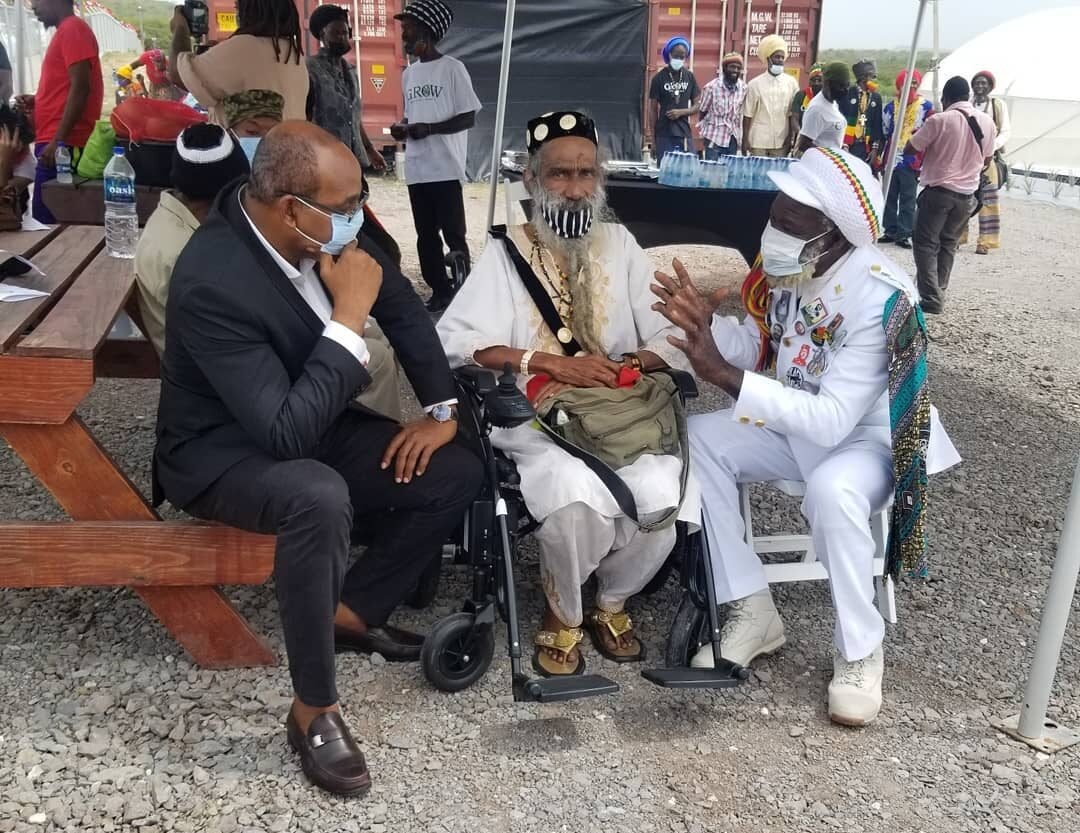
The Caribbean Community (CARICOM) has announced plans to convene a regional meeting of Member State representatives and key stakeholders to examine issues affecting Rastafarians across the Caribbean. According to Antigua News Room, the decision comes amid persistent discrimination and marginalisation experienced by Rastafarians both regionally and internationally.
The move was agreed upon at the Forty-second Inter-Sessional Meeting of the Conference of Heads of Government, held on 8 May 2026. During the meeting, Member States acknowledged that many Rastafarians continue to face exclusion in areas including education, employment, and public life, and reaffirmed their commitment to ensuring the full recognition and protection of Rastafarian rights.
Heads of Government agreed to establish a dedicated committee comprising representatives from Barbados, Jamaica, St Kitts and Nevis, Saint Vincent and the Grenadines, and Trinidad and Tobago. The committee will advance consideration of issues affecting Rastafarians at both the regional and international levels.
Member States also highlighted several national initiatives already undertaken to address historical injustices against Rastafarians. These include official public apologies, the provision of land grants, and legislation protecting individuals from workplace discrimination. Leaders noted that such measures represent progressive action that could inform a broader, coordinated regional approach.
CARICOM was established on 4 July 1973 with the signing of the Treaty of Chaguaramas, which was revised in 2001 to provide for a single market and economy. The community comprises fifteen Member States and six Associate Members, with a combined population of approximately sixteen million people. Its work is guided by four pillars: economic integration, foreign policy coordination, human and social development, and security cooperation. The CARICOM Secretariat is headquartered in Georgetown, Guyana.