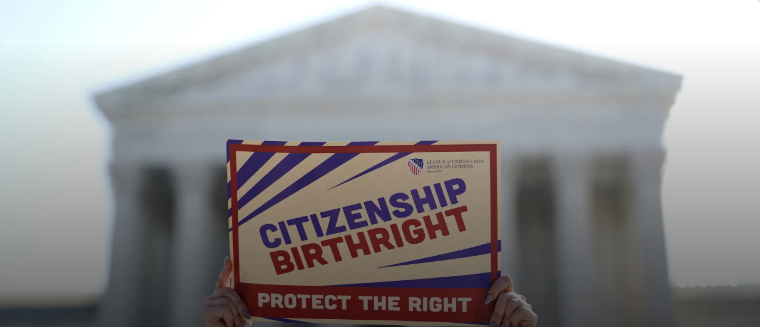
The United States Supreme Court on Tuesday delivered a significant blow to President Donald Trump's immigration agenda, striking down his executive order aimed at ending birthright citizenship as it has been understood for more than a century. According to Antigua News Room, the ruling invalidates a policy that was widely considered legally dubious from its inception.
The decision preserves the long-standing principle that any person born on American soil is entitled to citizenship, regardless of the immigration status of their parents. It represents a notable setback for a president who campaigned in part on eliminating what he termed "birth tourism" and whose second term has been heavily shaped by aggressive efforts to curtail both illegal and legal immigration.
Chief Justice John Roberts authored the majority opinion, drawing support from both conservative and liberal justices on the bench. Three conservative justices — Clarence Thomas, Samuel Alito, and Neil Gorsuch — filed dissents.
In his opinion, Roberts invoked the historical weight of the Fourteenth Amendment. "Citizenship, then and now, was the right to have rights — to freely participate in our political community," he wrote. "The Framers of the Fourteenth Amendment extended that promise to 'every free-born person in this land.' We keep that promise today."