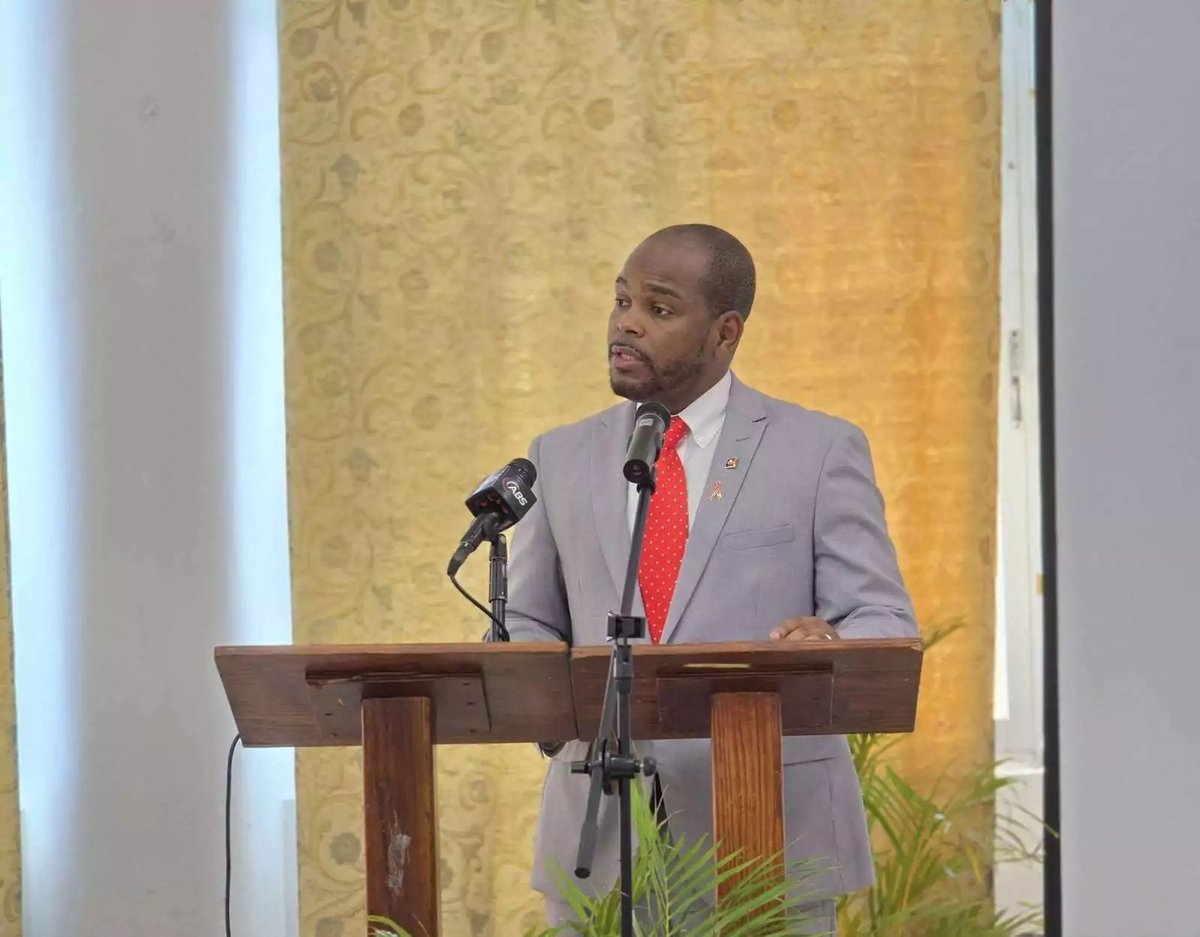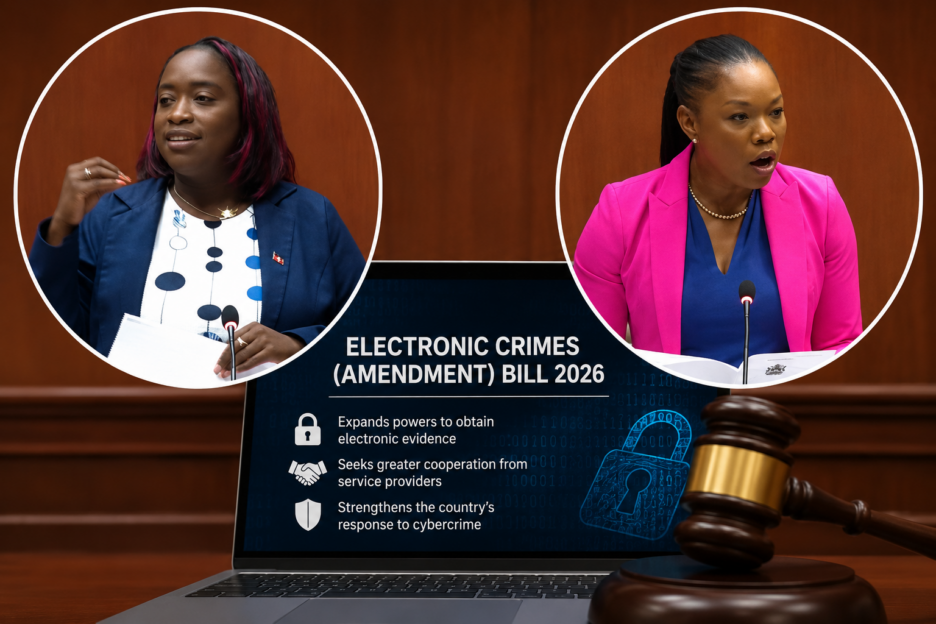
The Antiguan Senate has passed the Electronic Crimes (Amendment) Bill 2026, according to Antigua News Room, after opposition Senator Malaka Parker urged the government to apply tighter standards to new digital evidence-gathering powers.
Parker, while voicing support for modernising the country's cybercrime laws, argued during Monday's sitting that Clause 3 of the bill — which amends Section 18 governing production orders — should require investigators to clearly identify both the specific electronic data being sought and the digital locations where that data is expected to be found.
She drew a direct parallel between production orders and traditional search warrants, contending that both instruments should be held to the same legal standard.
"We're just saying, let us be as specific as possible," Parker said. "Not just with the specified data, but also the locations that we're going to search to find that specified data. That's the same standard that we have for physical search warrants. I'm asking that to be applied for what we have called a production order, which is essentially a digital search warrant."
Parker was careful to frame the opposition's position as constructive rather than obstructive. She said the intent was not to limit law enforcement's capacity to investigate cybercrime, but to produce legislation precise enough to withstand constitutional scrutiny.
"I see no reason for us to be frustrated and get agitated just because we are doing our job as an opposition to offer constructive criticism," she said. "If you agree, agree; if you disagree…"
She further argued that whenever Parliament expands investigative powers, it carries a corresponding duty to enshrine adequate protections for citizens. Legislators, she said, should never pass laws they would find unacceptable if applied to themselves as private individuals.
"I immediately look for the protections for citizens," Parker said, adding that every piece of legislation must account for the liberties of those to whom it applies.
Leader of Government Business in the Senate, Shenella Govia, defended the bill, arguing that the amendments are essential given the extent to which criminals now exploit digital technology to commit offences that once required physical access to banks, businesses and personal information.
"This one amendment has the power to significantly improve the administration of justice and strengthen our national security and protect innocent citizens," Govia told the Upper House.
She noted that technological advances have fundamentally transformed the nature of criminal activity. "Twenty years ago or 30 years ago, if a criminal wanted to steal money, they would probably use a weapon, a getaway vehicle and physical access to a bank or business. But right now they can do it electronically," Govia said.
Govia also recounted a personal experience in which cybercriminals obtained information through hacked messaging groups and attempted to use details about organisations she was affiliated with to deceive her. She said the incident reinforced the urgency of equipping investigators with modern legal tools capable of responding to evolving cyber threats.
The Electronic Crimes (Amendment) Bill 2026 updates Antigua and Barbuda's cybercrime legislation by expanding the courts' authority to issue production orders for electronic evidence and strengthening cooperation requirements for telecommunications and other electronic service providers during criminal investigations.
Despite Parker's calls for more narrowly tailored production order provisions, the bill advanced through the committee stage without amendment. It was subsequently read a third time and passed by the Senate.