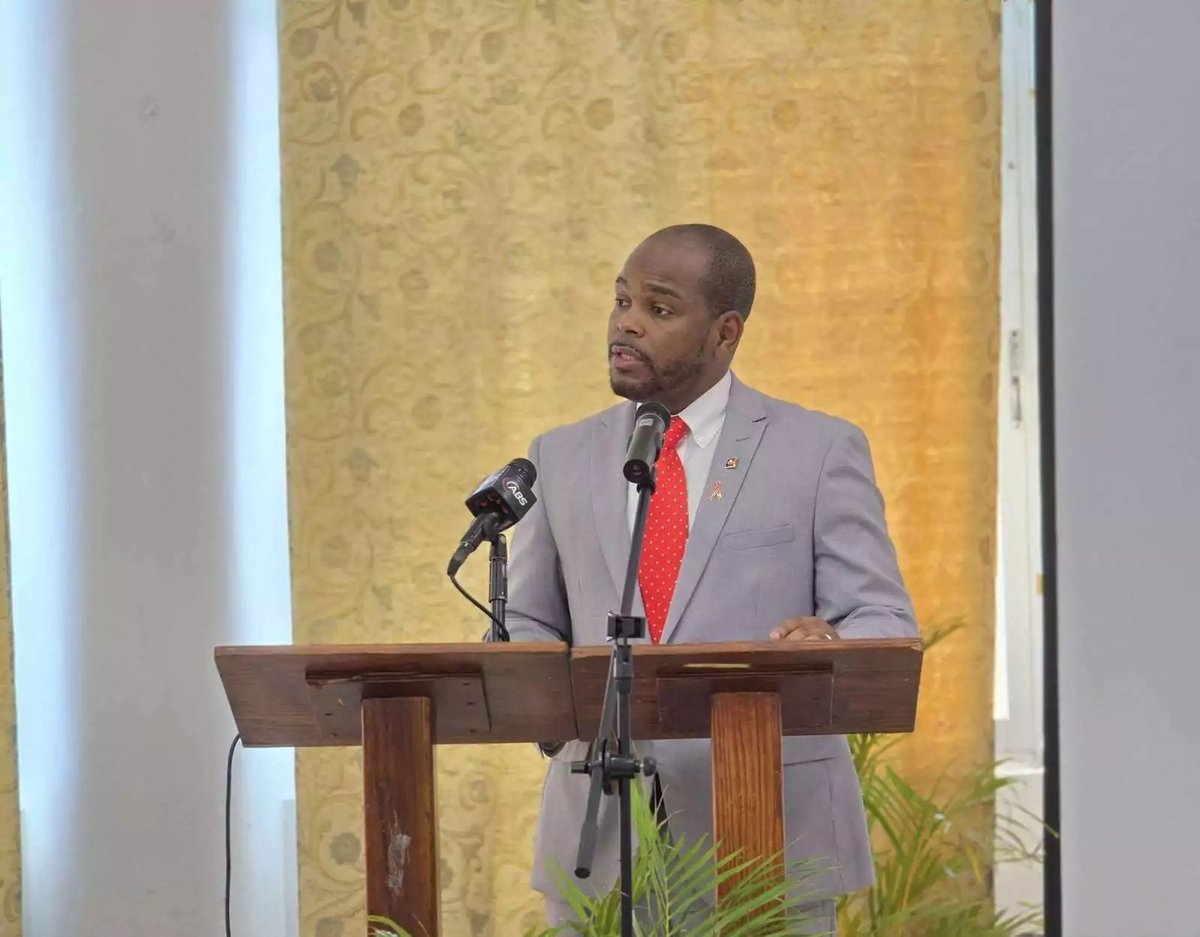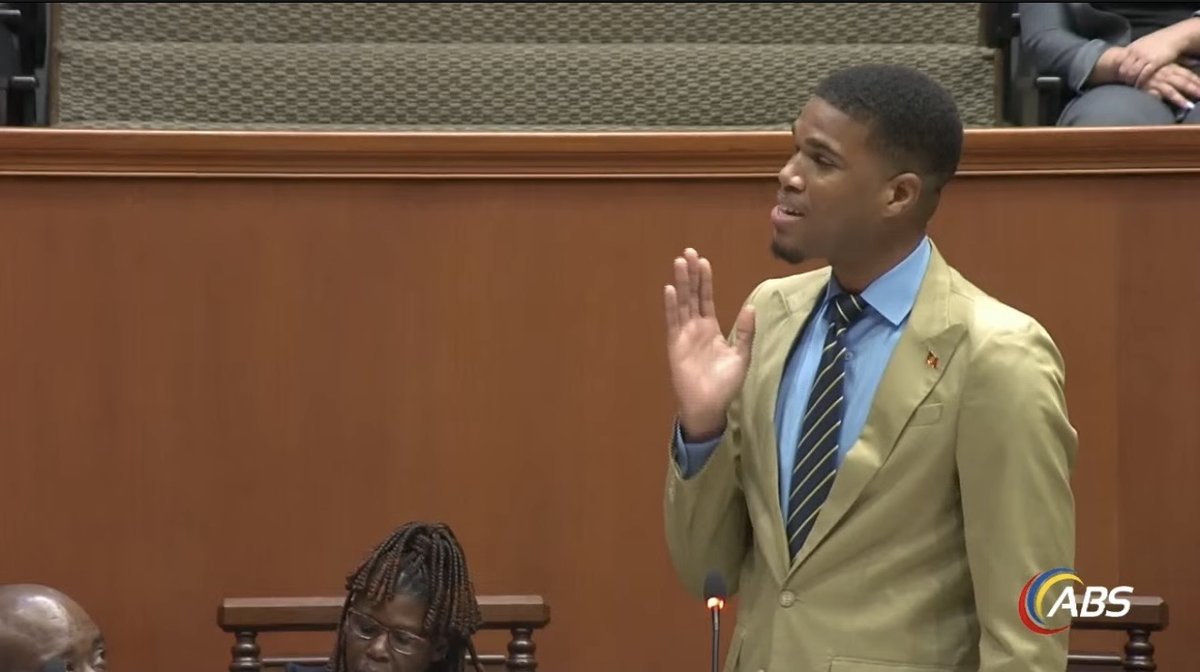
Opposition Senator Jonathan Wehner called on the government Monday to amend the Fatal Accidents Bill 2026 to extend bereavement protections to children raised in informal family arrangements — those cared for by a guardian without formal adoption.
According to Antigua News Room, Wehner made the appeal during his maiden Senate contribution, arguing that while Clause 2 of the bill broadly defines who qualifies as a dependent, Clause 4 — which governs bereavement damages — excludes children raised outside formal legal arrangements from receiving compensation when a caregiver dies.
"We live in a society in the Caribbean where we say a village raises a child," Wehner told senators, noting that many Antiguan and Barbudan families have long cared for children outside the bounds of official legal frameworks.
He cited the late St. Mary's South MP Hilson Baptiste as an example of someone who raised and supported numerous children throughout his life without legally adopting them, and said such arrangements remain widespread, particularly where children have been orphaned or abandoned by their biological families.
"Now, Clause 4, bereavement, excludes such minors, such children who are neither adopted, who are not blood relatives, from being afforded any bereavement damages," Wehner said.
The opposition senator challenged his colleagues to reconsider approving legislation that knowingly leaves those children without recourse following the death of the person who raised them.
"I hope that we are compassionate in this house. We see the needs that we have reflected in our society, and we show some consistency from the same legislation that the government would have been bringing to this house," he said.
Wehner urged the government to address the gap during the committee stage rather than deferring the matter to future legislation. "All we're asking for is for Clause 4 to reflect what is provided for in Clause 2," he said, adding that the public would understand and support returning the bill to the House for amendment.
The senator also questioned the bill's fixed bereavement award of $20,000, suggesting the legislation should include a mechanism allowing the figure to be adjusted over time without requiring Parliament to revisit the law. "Let us now make the amendment here that you don't have to come to amend the bill," he said.
During the committee stage, the bill's legal drafter clarified that the $20,000 bereavement payment was intended as a one-time statutory award for grieving spouses, parents and children, and that it did not preclude courts from granting other categories of damages where applicable.
Despite the opposition's proposed amendments, the government used its parliamentary majority to pass the bill without changes.