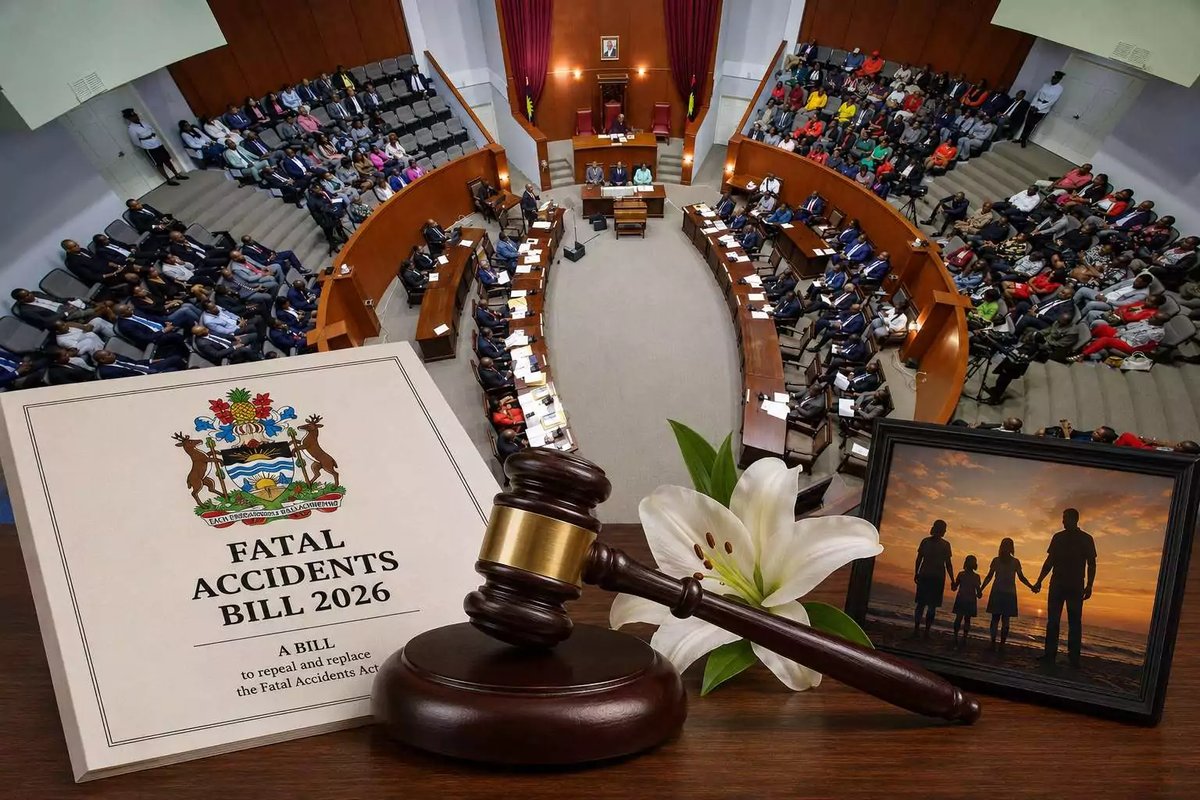
The Senate has approved the Fatal Accidents Bill 2026, strengthening financial protections for families affected by vehicular accidents, medical negligence, workplace fatalities, and other forms of wrongful death. According to Antigua.news, the bill passed without amendment following roughly four hours of debate on Monday.
The legislation repeals the previous Fatal Accidents Act and introduces several significant changes. It raises the maximum bereavement award from $5,000 to $20,000, broadens the definition of dependent to include individuals who cohabited with a deceased person for at least three years, and expands eligibility for bereavement damages to include children of the deceased alongside spouses and parents.
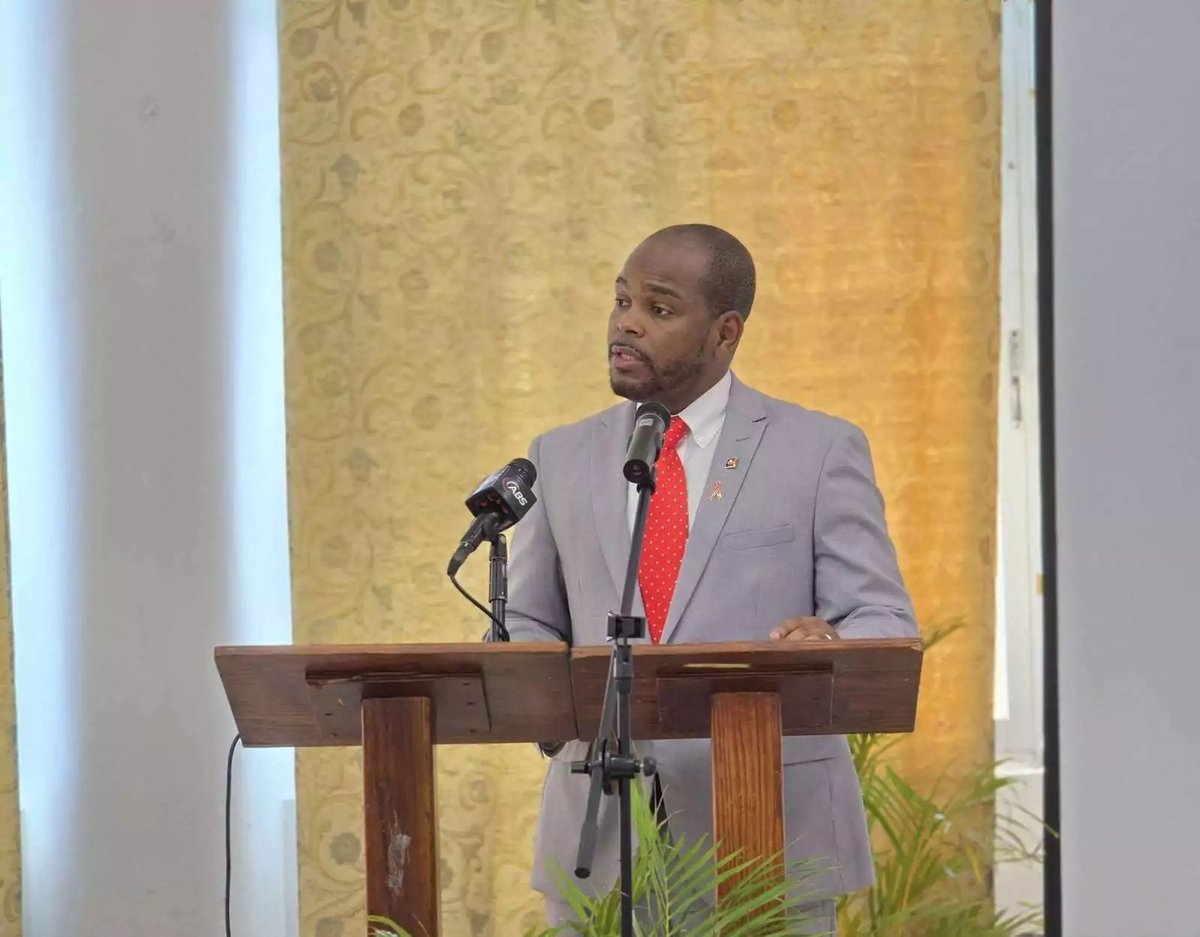
Leader of Government Business Senator Shenella Govia told the chamber the legislation represented compassionate and necessary reform. "It is one that I do not take lightly at all," she said, noting the bill extends beyond road deaths to cover medical negligence, workplace fatalities, deaths at sea, and wrongful death by criminal act.
Opposition Senator Malaka Parker raised concerns over an apparent contradiction between two clauses of the bill. She argued that Clause 4, which governs bereavement damages, restricted eligible claimants to a spouse, parents, or children of the deceased — a narrower group than those recognised under Clause 2, which widens the definition of dependent to include long-term cohabiting partners and a broader category of relatives. "That is a contradiction that we should catch in this house," Parker said. She also questioned why the bill set the cohabitation threshold at three years when comparable United Kingdom legislation uses two.
During the committee stage, the bill's legal draftsperson clarified that the narrower bereavement provision was a deliberate policy choice rather than a drafting oversight.
Senators also debated the long-term adequacy of the $20,000 bereavement cap. Senator Tiffany Strand-Peters highlighted the case of LaShawna Bridgen, who was struck and killed while crossing the road in 2022, noting it took her family four years to receive a ruling from the Eastern Caribbean Supreme Court establishing the driver's liability.
Senator Parker and other opposition senators proposed indexing the bereavement award to inflation, or granting the minister authority to adjust the figure by regulation rather than requiring a full legislative amendment. The legal draftsperson noted, however, that bereavement is a one-off grief payment distinct from the inflation-sensitive damages assessed separately under Clause 7.
Independent Senator Jamila Kirwan urged the government to follow the bill's passage with a sustained public education campaign, warning that legislation has limited value if the people it is designed to protect are unaware of its existence.
Several opposition senators also called for the one-year window — within which a personal representative may bring a claim before other dependents may act — to be reduced to six months. The legal draftsperson cautioned against the change, noting that probate proceedings routinely take longer than six months to complete.