Prime Minister Gaston Browne has declared that Antigua and Barbuda will not accept third-country nationals under any agreement with the United States without rigorous vetting, and stated that the country should not be expected to receive additional LGBTQ asylum seekers or refugees.
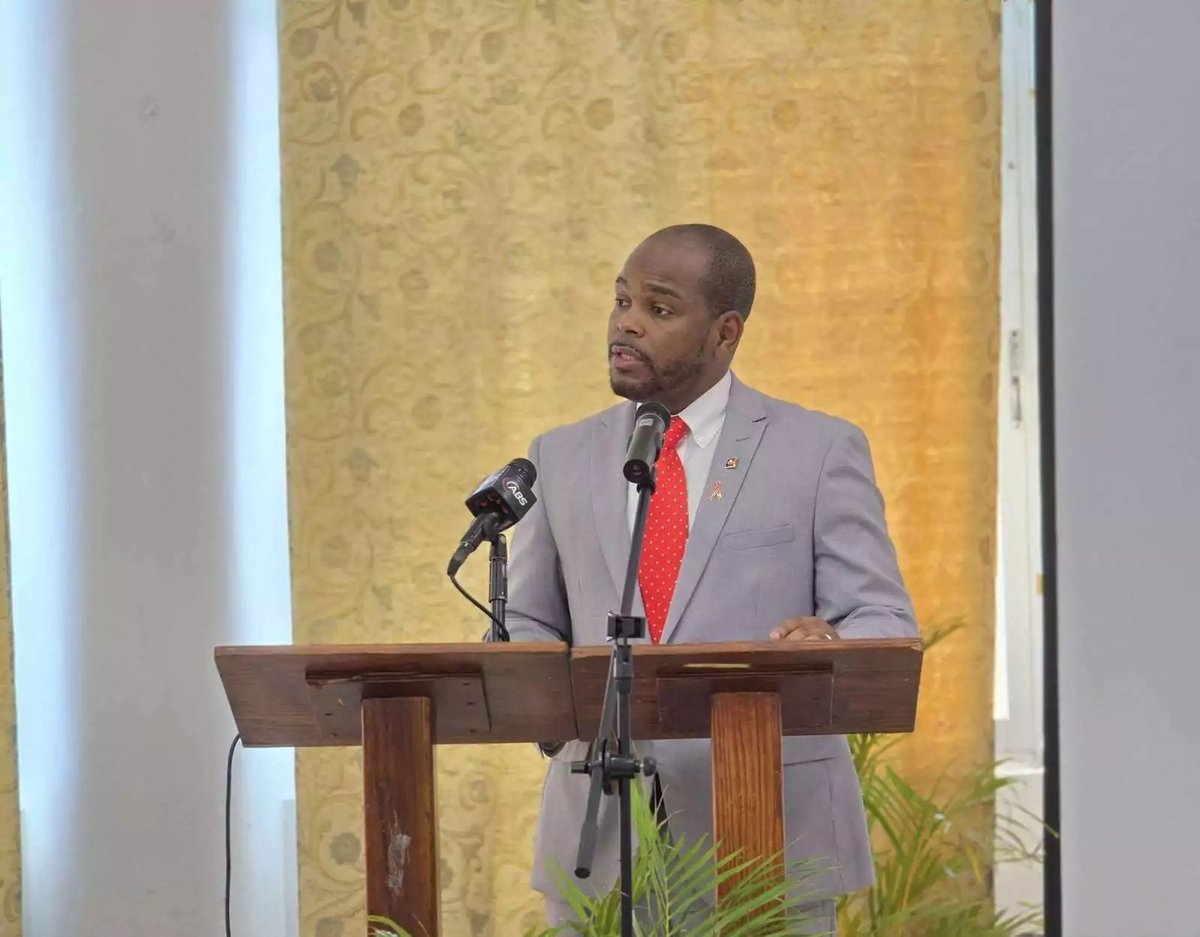
According to Antigua News Room, Browne made the remarks during his Browne and Browne Show appearance on Saturday, disclosing that two of the three third-country nationals recently accepted by St. Kitts and Nevis identify as LGBTQ.
"I'm told the three that were sent to St. Kitts, two of them are LGBTQIAs," Browne said. "We have enough of those here."
The comments arose during a broader discussion of ongoing negotiations between Antigua and Barbuda and the United States. Washington has asked several Caribbean nations to accept a limited number of third-country nationals — individuals who cannot readily be returned to their countries of origin — as part of its immigration enforcement strategy.
Browne maintained that his government's position is driven primarily by security, health, and financial concerns rather than by sexual orientation or gender identity.
"We do not want people who are criminals. We don't want people who are sick. We do not want anyone who is going to become a charge," he said.
The Prime Minister confirmed that Antigua has insisted on comprehensive security and medical screening for any individual accepted under such an arrangement, and that all arrivals must carry valid travel documents rather than temporary papers issued by U.S. authorities.
Browne indicated that Antigua could consider accepting up to 10 third-country nationals annually, subject to the conditions that they have no serious criminal history, pose no security or public health risk, and meet the government's vetting requirements.
He further argued that Antigua's limited resources make it difficult to absorb individuals who may require long-term government support once any transitional assistance from the United States expires.
Browne said his government would continue engaging with Washington while asserting Antigua and Barbuda's sovereign right to determine who may enter and reside in the country. The negotiations are part of a wider U.S. effort to enlist Caribbean governments in managing migrants who cannot be repatriated to their home nations.