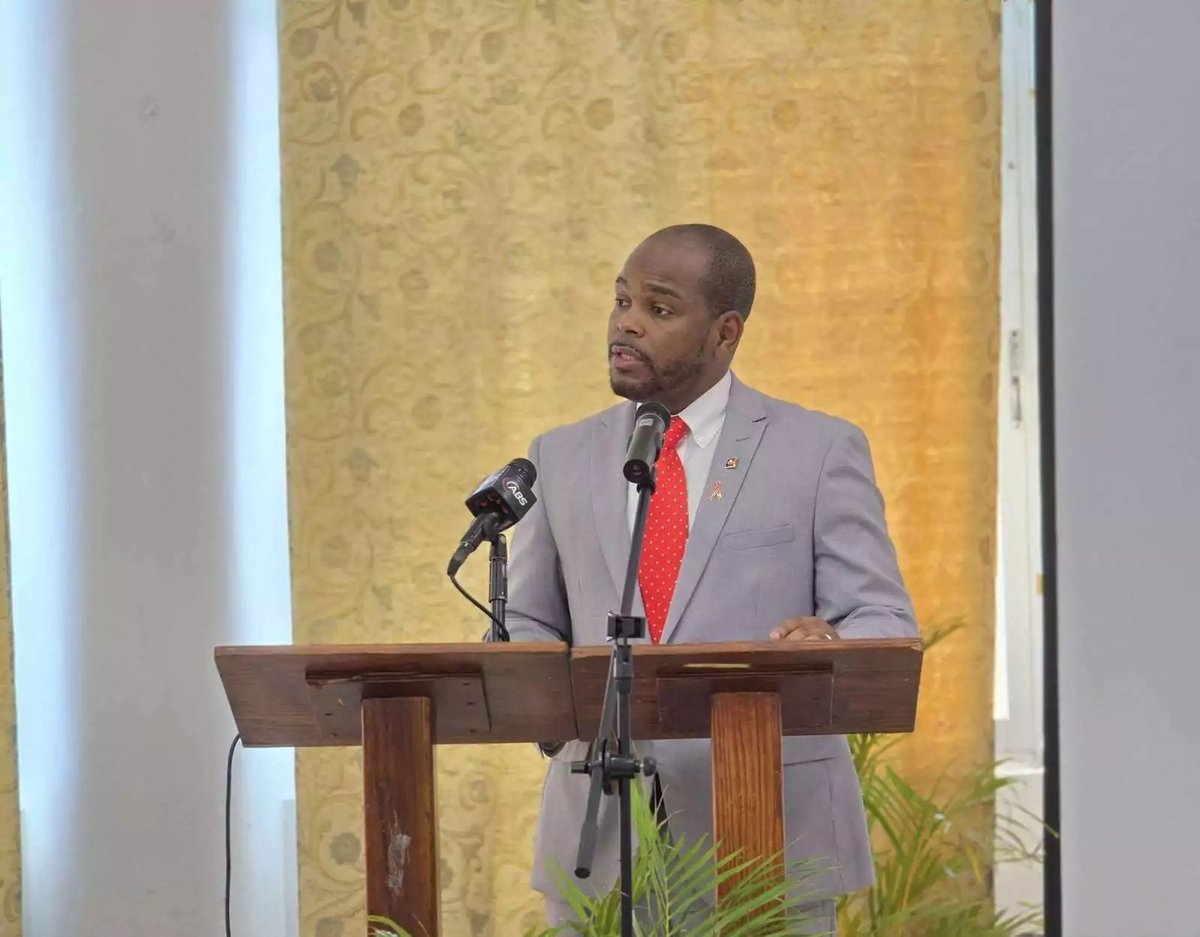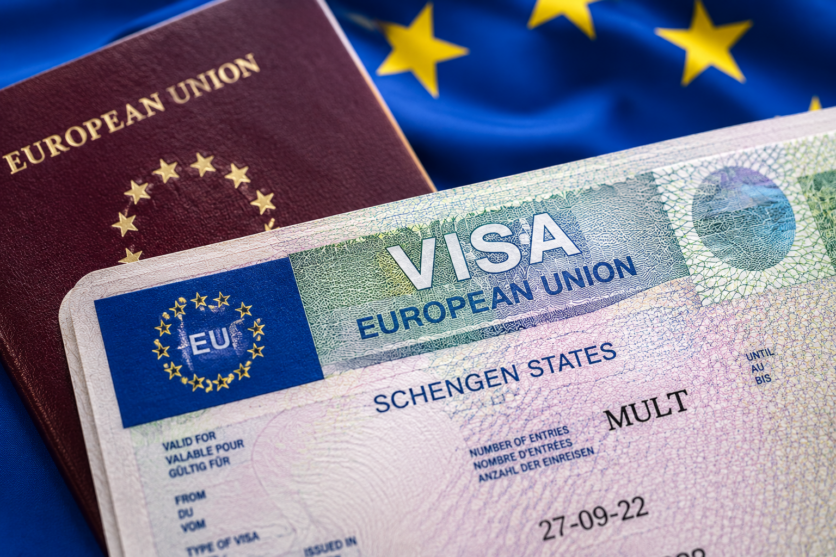
Prime Minister Gaston Browne has warned that Antigua and Barbuda risks losing visa-free access to Europe's Schengen Area by year-end, as the European Union raises concerns over the country's Citizenship by Investment (CBI) Programme. According to Antigua News Room, Browne confirmed the threat during an interview on Pointe FM on Saturday, saying his administration is pursuing high-level diplomatic engagement to prevent the measure from taking effect.
"The European Union has threatened that they could withdraw their visa-free access, potentially by the end of the year," Browne said. "We don't know for sure they will, but we're trying to have a high-level engagement with them to see if we can actually reconsider."
Browne said his government believes an electronic travel authorisation system would adequately address Europe's security concerns without dismantling the long-standing visa-free arrangement. "We think that it's a sensible thing to do to maintain the good relations that we've had over the years and not to throw the baby out with the bath water," he said.
The prime minister noted that the threat is not limited to Antigua and Barbuda, but extends to other Eastern Caribbean nations operating investment migration programmes. He also acknowledged that Ireland has already ended visa-free arrangements for some Caribbean countries, and cautioned that further restrictions could follow regardless of diplomatic efforts.
"We can anticipate that, despite our best efforts, these visa-free arrangements may be discontinued," Browne said.
Despite the uncertainty, Browne was unequivocal that his administration has no intention of scrapping the CBI Programme, describing it as a critical source of non-tax revenue for the country. "With or without those visa-free arrangements, our CIP programme continues," he said. "It is too important a source of non-tax revenue to give it up."
Browne defended the rigour of Antigua and Barbuda's due diligence processes, arguing that the country's programme compares favourably with those of larger nations. "We are pretty sure that we have strengthened our programme and that it does not represent any significant risk to any country," he said. "I believe that our programmes are better run than theirs."
The prime minister also pushed back against what he characterised as a double standard, pointing out that many of the countries criticising Caribbean investment migration programmes operate similar schemes of their own. He rejected the notion that the region's programmes pose a unique security threat.
"I can say definitively in the case of Antigua and Barbuda, our programme is run with integrity," Browne said. "I've never once overturned any case that was actually rejected by the CI Unit. We have allowed the unit and the board to operate independently."
Browne further argued that Antigua and Barbuda's small size makes it harder for bad actors to go undetected, and suggested that Caribbean CBI programmes sometimes assist larger countries in identifying criminals rather than shielding them.
Looking ahead, the prime minister expressed willingness to deepen international cooperation through enhanced security measures, including biometric screening for CBI applicants and greater information sharing with foreign governments. "If we can collaborate and make sure that we have the biometric exam for these CIP citizens and that we can share information, if anything, it will help them to unearth these criminals," he said.