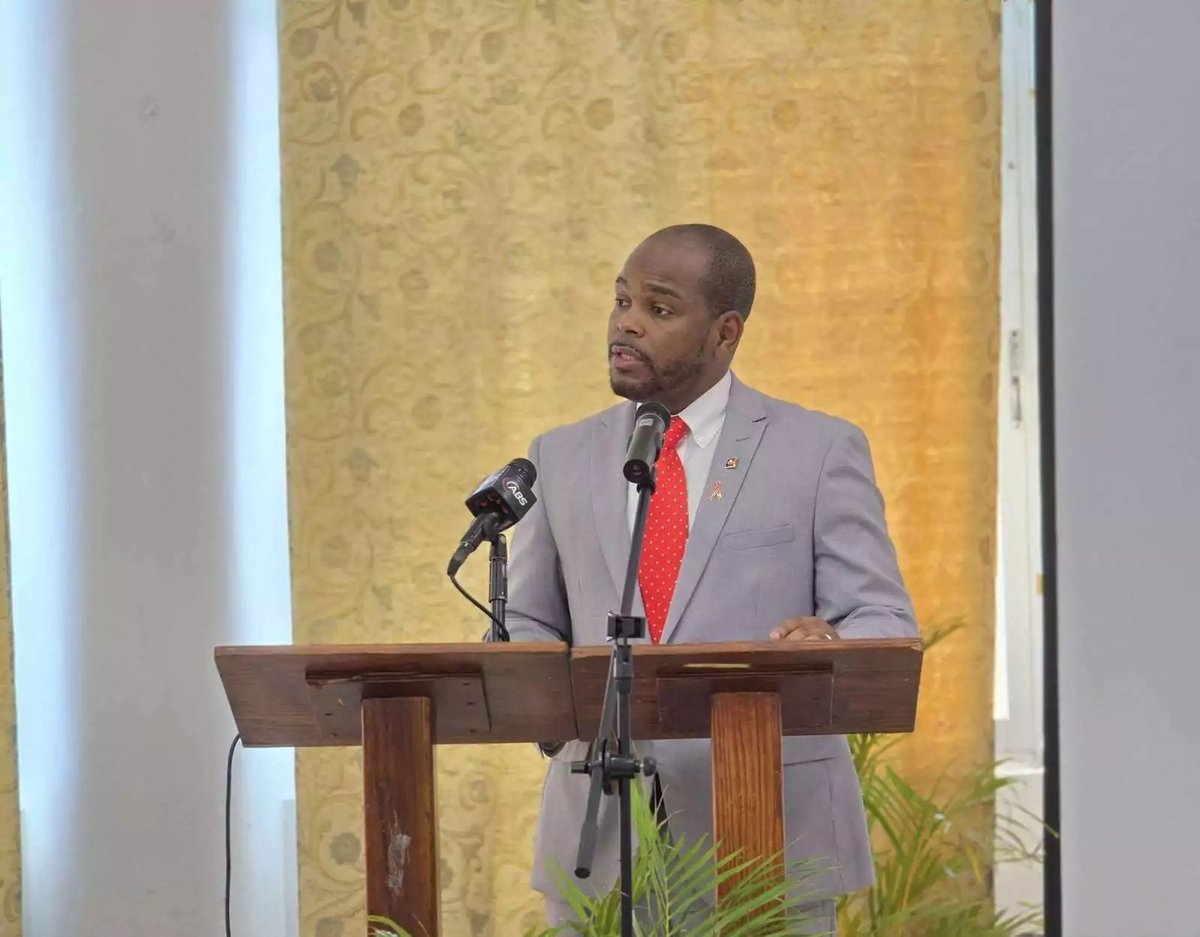
Prime Minister Gaston Browne has revealed that the government owes nearly EC$10 million to the West Indies Oil Company (WIOC) as a direct result of its policy to shield consumers from rising global fuel prices. According to Antigua News Room, Browne made the disclosure during his weekly programme on Pointe FM on Saturday.
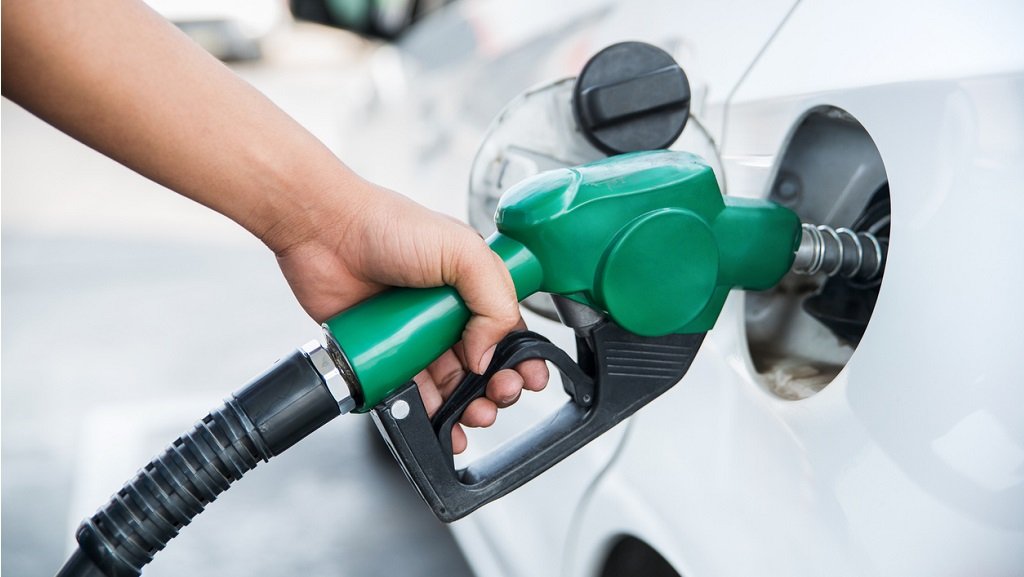
Browne explained that rather than passing higher international oil costs on to motorists, the administration has foregone fuel tax revenue and effectively subsidised prices at the pump — accumulating a significant debt to WIOC in the process.
"I would have said on several occasions that we now owe West Indies Oil Company probably about close to $10 million right now as a result of the fact that instead of collecting a tax, we've been paying them to keep the cost at $14.25 for gasoline and $14.50 for diesel," Browne said.
The prime minister attributed the latest round of price pressures to ongoing geopolitical instability, citing the war in Ukraine and tensions involving Iran as key drivers of elevated energy costs worldwide. Despite these pressures, he said Antigua and Barbuda's fuel prices remain among the lowest in the Caribbean, trailing only oil-producing nations.
"We were able to contain the costs of fuel, but it came at a cost to the government," Browne said. "We've been paying them to keep the prices where they are."
Browne said the administration intends to maintain current price levels for as long as possible, arguing that stable fuel costs deliver broad benefits to both households and businesses.
"When the good days come and we start to make some money, nobody should grumble," he said. "At the end of the day, when the bad days arrive, you can be sure that we'll provide a cover for you, the people."
The prime minister also pushed back against any suggestion that fuel prices should be reduced further, warning that excessively low prices risk encouraging unnecessary consumption. "You don't want gas prices to be too low because that will fuel excessive consumption, and on the other hand you don't want them to be too high," he said. "That $14.25 and $14.50 is reasonable."
Looking ahead, Browne said the government's long-term energy strategy centres on introducing liquefied natural gas and expanding renewable energy capacity — measures he described as more sustainable alternatives to open-ended fuel subsidies.
"Our goal is to keep the prices there until such time as we can get alternatives to drag down the price of fuel," Browne said.