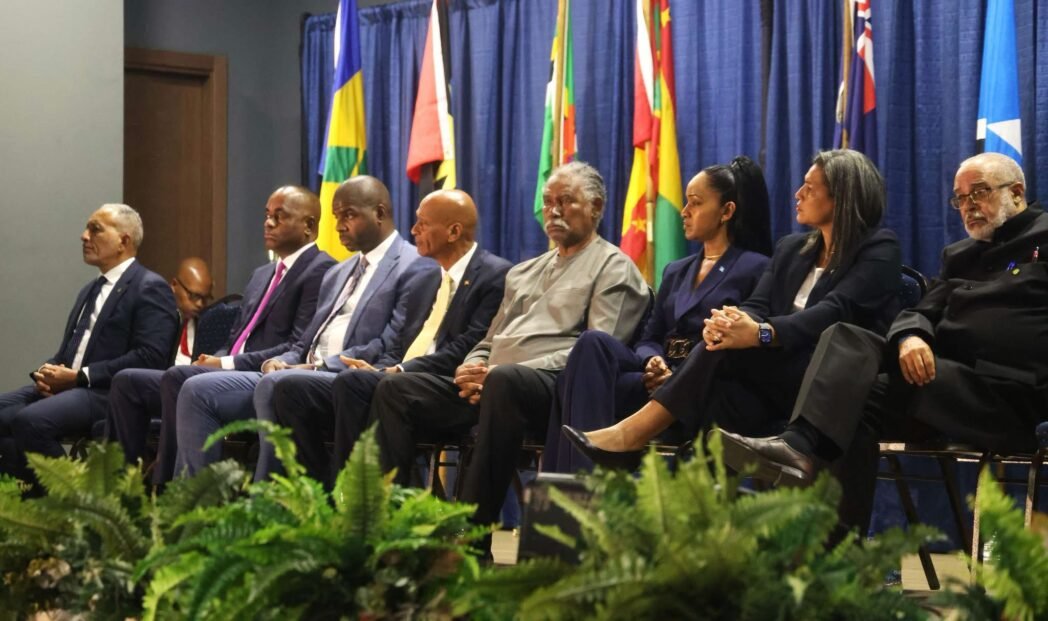
The Organisation of Eastern Caribbean States (OECS) marked forty-five years of regional integration during the Opening Ceremony of its 78th Authority Meeting, held in Antigua and Barbuda on Sunday, 21 June 2026. According to Antigua News Room, the gathering brought together Heads of Government, senior regional representatives, members of the diplomatic corps, and other distinguished guests to reflect on the organisation's achievements and reaffirm their commitment to a united Eastern Caribbean.
A defining moment of the ceremony was the transfer of the OECS Authority Chairmanship from Dr. the Honourable Godwin Friday, Prime Minister of Saint Vincent and the Grenadines, to the Right Honourable Gaston Browne, Prime Minister of Antigua and Barbuda.
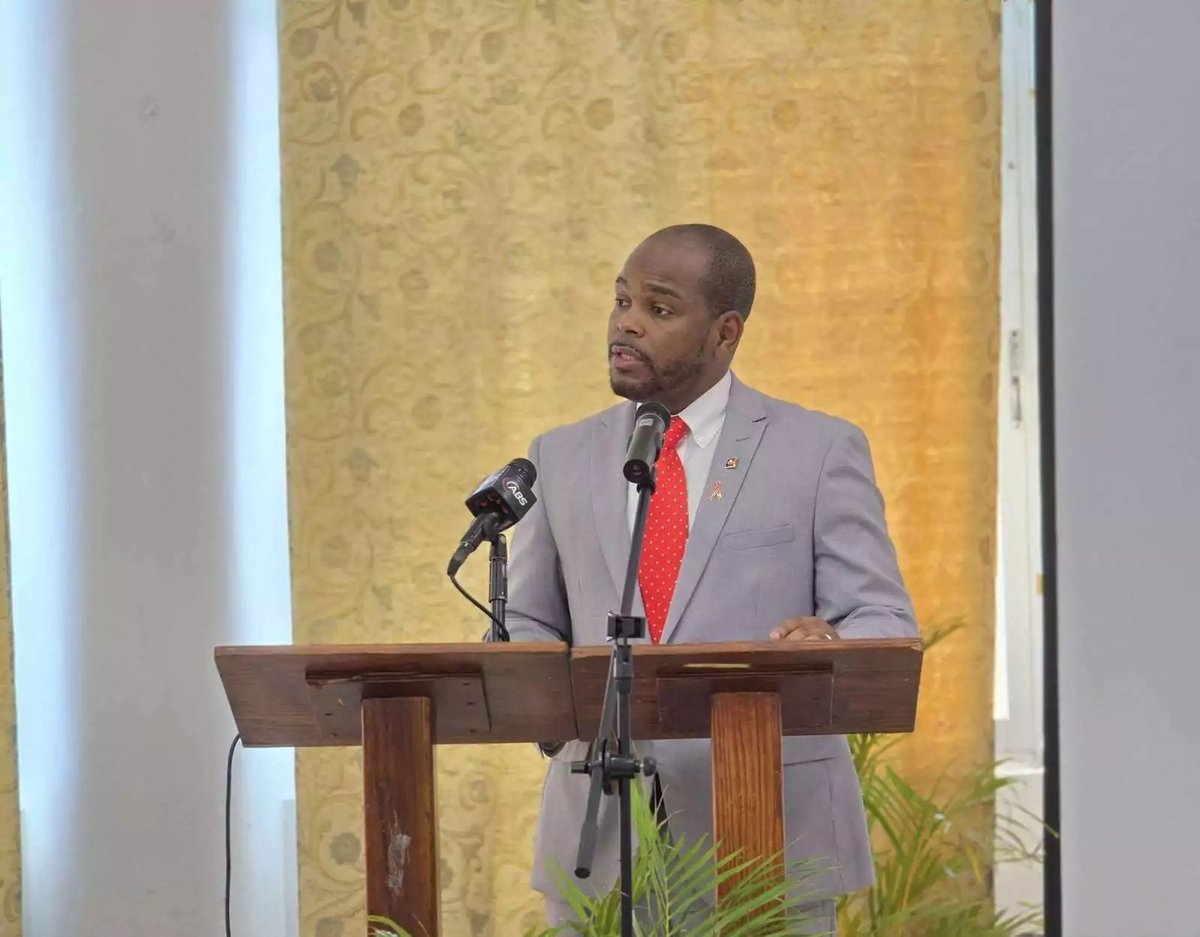
Assuming the Chairmanship, Prime Minister Browne called for bold and decisive regional leadership, arguing that the current global climate demands stronger cooperation than ever before. "This is not a time for routine leadership. It is a time for bold, transformative, visionary leadership and, above all, vigorous implementation. In other words, an OECS renaissance," he said.
Browne highlighted landmark achievements of the past forty-five years, including the Eastern Caribbean Currency Union, the Eastern Caribbean Supreme Court, the Pharmaceutical Procurement Service, and the free movement of people within the Economic Union. He reminded delegates of a fundamental principle underpinning regional integration: "What we cannot do alone, we accomplish together."
Outgoing Chairman Prime Minister Friday reflected on his tenure and emphasised the necessity of regional solidarity for Small Island Developing States. "The things that my people at home called for, our small island country cannot achieve by itself but must work together with our neighbours to make them happen," he said. Friday pointed to affordable and sustainable energy, reliable transportation, climate resilience, food security, and economic development as areas requiring collective regional action.
In his keynote address, OECS Commission Director General Dr. Didacus Jules challenged leaders and citizens to view regional integration as more than a framework of treaties and institutional arrangements. "Integration itself is not treaties on paper, nor the quiet convergence of government bureaucracies. It is a culture of cooperation," he stated.
Dr. Jules drew on the concept of the "koudmen" — the Caribbean tradition of communities coming together in times of need — to describe the OECS as "the koudmen written large." He argued that the organisation's greatest strength lies in its capacity to pool resources, expertise, and sovereignty in pursuit of shared prosperity. "Pooling is not addition; it is multiplication," he noted, underscoring how small states can amplify their collective voice through unified action.
The Director General cited tangible regional gains in pooled pharmaceutical procurement, climate resilience financing, educational transformation, renewable energy development, and food and agriculture systems reform. He called for a deeper and more inclusive model of integration that places citizens at the centre of decision-making.
Throughout the meeting, Heads of Government convened in Caucus to deliberate on matters of strategic importance, with particular attention to the implications of global economic and geopolitical shifts for Caribbean economies and Small Island Developing States. Discussions addressed regional economic resilience, food and energy security, trade diversification, connectivity, development financing, and the protection of OECS citizens' interests in an increasingly complex global environment.
Leaders also examined international migration policy developments, opportunities to expand trade and commercial engagement with neighbouring markets, and approaches to unlocking the economic potential of the region's marine resources and blue economy. Strategies to improve regional air and maritime connectivity, advance sustainable financing mechanisms, and position the OECS to benefit from nature-based financing, carbon markets, and climate resilience investments were similarly considered.
The Heads of Government also discussed the way forward for Citizenship by Investment programmes, including the upcoming launch of the Eastern Caribbean Citizenship by Investment Regulatory Subroutine Authority (ECCIRA).
Additionally, leaders received updates on key OECS entities including the OECS Commission, the Eastern Caribbean Civil Aviation Authority (ECCAA), and the Eastern Caribbean Supreme Court (ECSC), with discussions centred on strengthening institutional effectiveness and enhancing service delivery to OECS citizens. The Heads of Government commended the OECS Commission and its supporting institutions for their continued dedication to advancing the regional integration agenda.