Prime Minister Gaston Browne has expressed hope that the Strait of Hormuz will reopen soon, warning that continued disruptions to the critical oil shipping route could undermine prospects for lower fuel and energy costs in Antigua and Barbuda.
According to Antigua News Room, Browne addressed the issue during an appearance on the Brown and Brown Show on Saturday, where he initially welcomed reports that the strategic waterway had remained open, pointing to a significant recent decline in global oil prices.
"Last night when I addressed the executive, I was saying to them that we are so happy that the Strait of Hormuz is actually open and we're hoping that we'll see a further reduction in oil prices," Browne said.
The Prime Minister noted that oil prices had fallen to approximately US$79 per barrel after previously reaching much higher levels. "Yesterday they were down to about $79. I think at one point it was $77 and it ticked up a little. Fine, because it was $120," he said.
The drop in prices had raised hopes that the country could soon receive some relief from rising energy costs, which have compelled the government to absorb part of the financial burden through subsidies and other support measures.
"I was thinking, well, finally we're going to get some relief because our government has been subsidizing petroleum products," Browne said.
However, during the same discussion, the Prime Minister acknowledged that he had since learned the Strait had reportedly been closed again, potentially reversing the downward trend in oil prices. "Yeah, it's closed. I know it's closed, so I'm coming back to that now," he said.
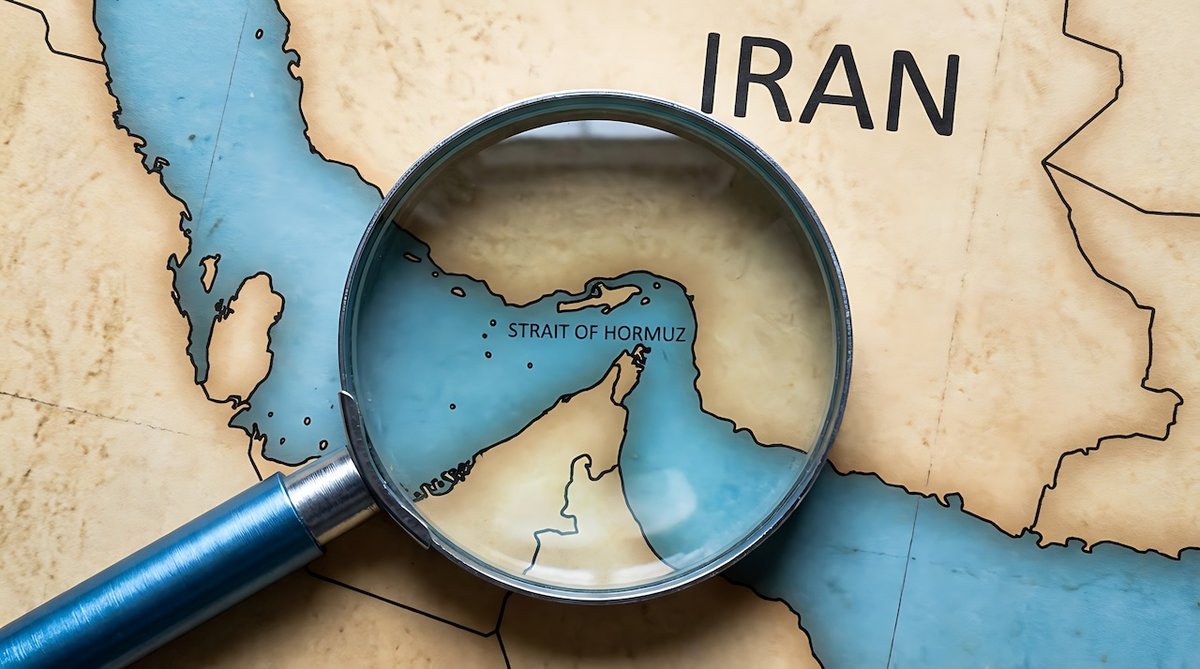
The Strait of Hormuz, located between Oman and Iran, is one of the world's most critical maritime chokepoints. A significant share of global oil exports passes through the narrow waterway daily, and any disruption carries the potential to drive prices higher — a concern of particular relevance to import-dependent nations such as Antigua and Barbuda.
Browne said the government has worked to shield consumers from the full impact of fuel price volatility, including through support to the Antigua Public Utilities Authority (APUA) and efforts to limit increases in electricity-related fuel surcharges. He noted that for several months the government had sought to keep fuel-related costs stable despite turbulence in international energy markets.
The Prime Minister expressed hope that tensions affecting the shipping route would ease and that normal operations would resume, allowing oil prices to resume their decline. Lower prices would benefit consumers directly while also easing pressure on government finances, he indicated.
The issue carries considerable weight for Antigua and Barbuda, which relies heavily on imported fuel for transportation, electricity generation and broader economic activity. A sustained rise in global oil prices could push up operating costs across multiple sectors, affecting both businesses and households.
Browne said he remains hopeful the situation will stabilise and that residents will see meaningful relief from energy costs in the months ahead.