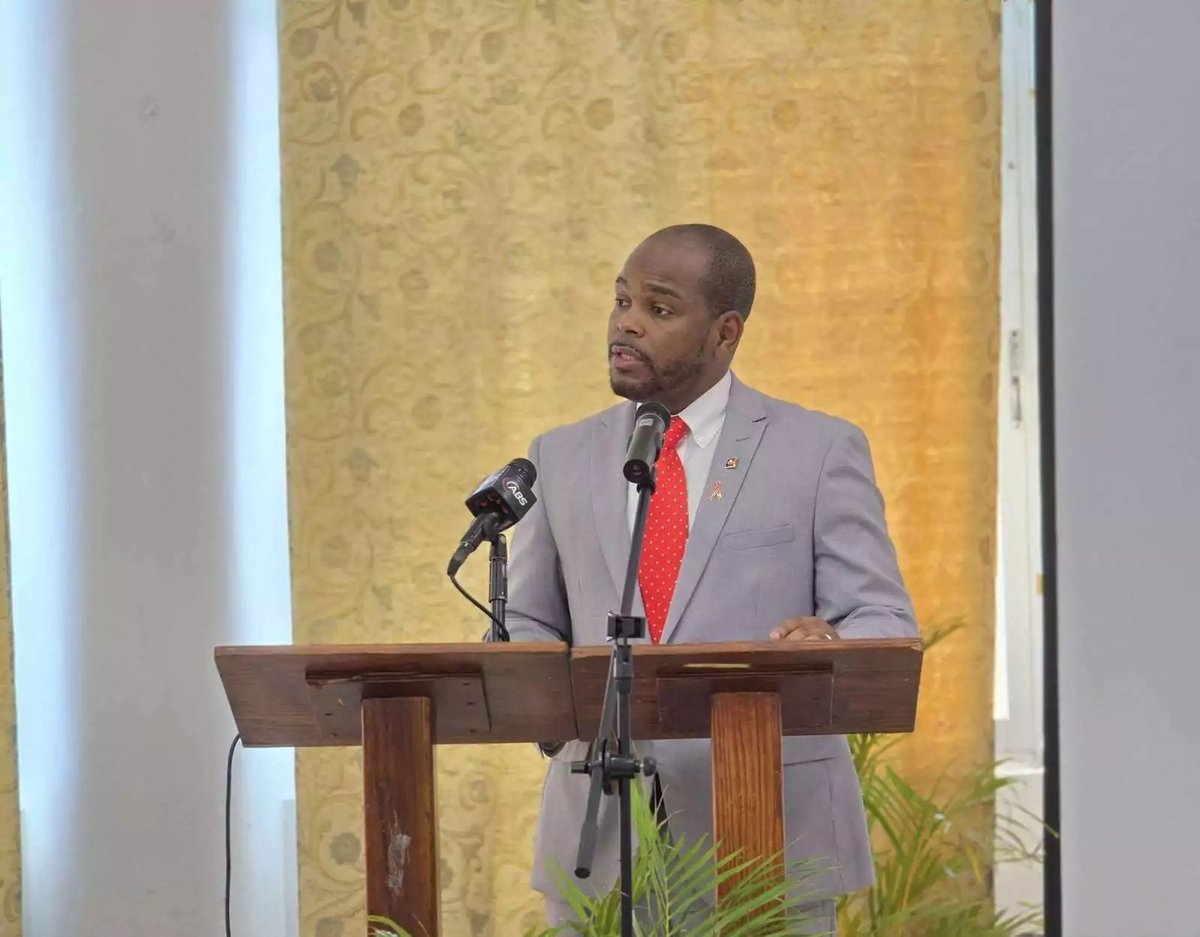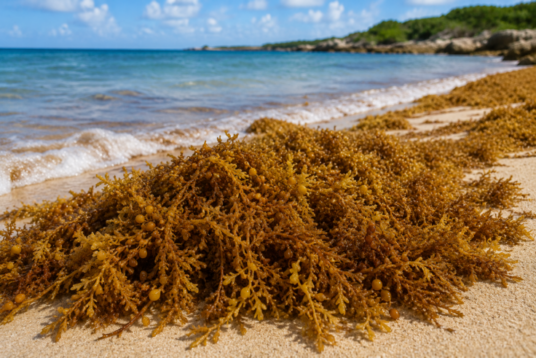
Prime Minister Gaston Browne has appealed to Japan for assistance in tackling the growing sargassum seaweed crisis and expanding Antigua and Barbuda's offshore fishing industry, according to Antigua News Room.
Browne made the request during a courtesy call with Japanese Ambassador Yusuke Miyasaka and First Secretary Mr. Ursushitata last week. Agriculture, Fisheries and the Blue Economy Minister Anthony Smith Jr. raised similar concerns during a separate meeting with the same officials.
The Prime Minister said Antigua and Barbuda is seeking equipment, technology and research support to help manage the annual influx of sargassum that continues to affect beaches across the country.
"We are making an appeal to our friends, the Japanese government, to help us with equipment or research on how we can effectively deal with the tons of sargassum seaweed that overwhelm our beaches annually," Browne said.
The Government also remains interested in finding commercially viable uses for the seaweed, including converting it into fertilizers and other products. "Attempts to turn the seaweed into useful products have so far proven difficult, but we remain hopeful that there may be solutions that countries like Japan can help us identify and implement," Browne said.
Sargassum has become a recurring challenge across the Caribbean, affecting tourism, fisheries and coastal ecosystems. Antigua and Barbuda has invested significant resources in beach clearance and environmental mitigation, but officials continue to search for long-term solutions.
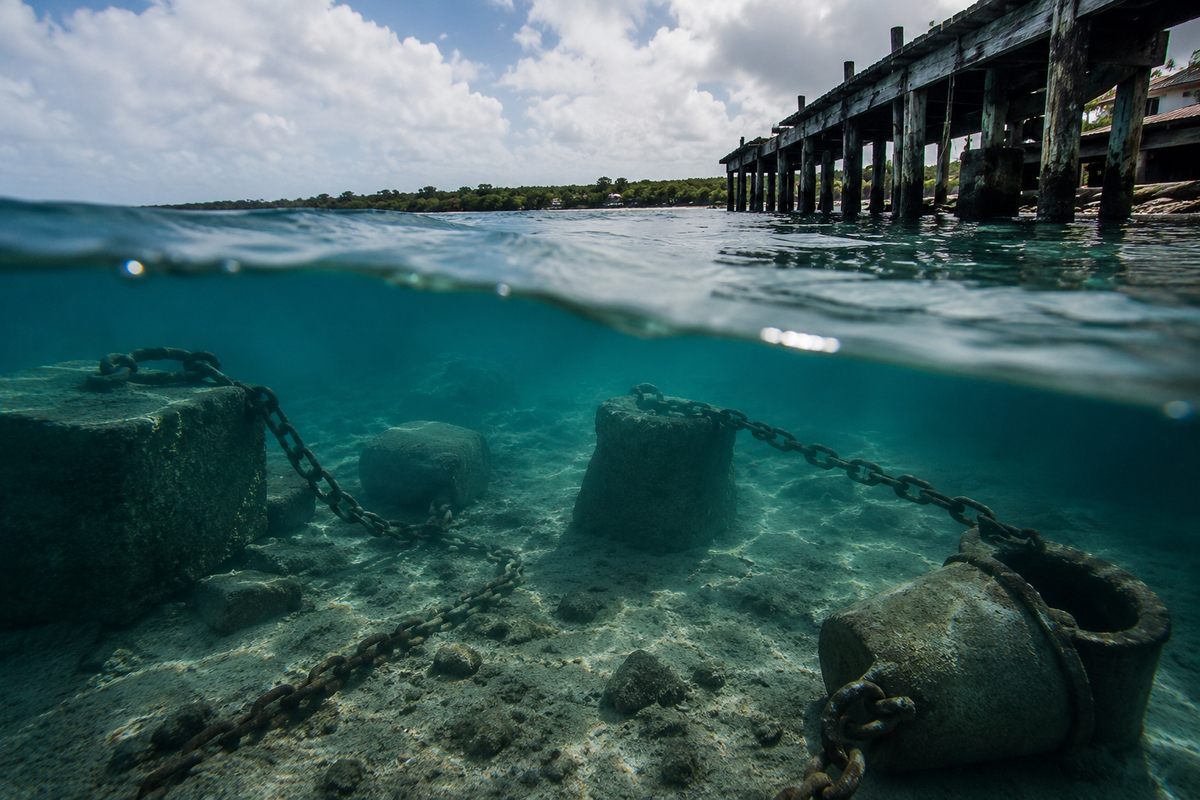
Browne also used the meetings to seek Japan's help in strengthening the country's fishing sector through the acquisition of deep-sea fishing vessels. He noted that the nation's vast maritime space remains largely underutilized, as local fishers lack the vessels required to access offshore pelagic fish stocks.
"Antigua and Barbuda can be considered a mid-sized nation when our extensive territorial waters are taken into account. Unfortunately, we have not been able to effectively exploit the resources within those waters because we do not have the vessels needed to harvest our pelagic fish stock," Browne said.
The Government is hoping to acquire between 10 and 15 fishing vessels that would enable fishers to operate farther offshore and target higher-value species. Browne said the initiative is intended to increase domestic fish consumption, reduce reliance on imported seafood, improve food security and create new economic opportunities for fishers.
The Government is also exploring concessional financing arrangements to facilitate the vessel purchases as part of its broader blue economy development strategy, as reported by Antigua News Room.