The Government of Antigua and Barbuda is seeking Japan's assistance to address the ongoing sargassum seaweed crisis battering the nation's coastlines and to bolster the country's fishing industry through the acquisition of deep-sea vessels.
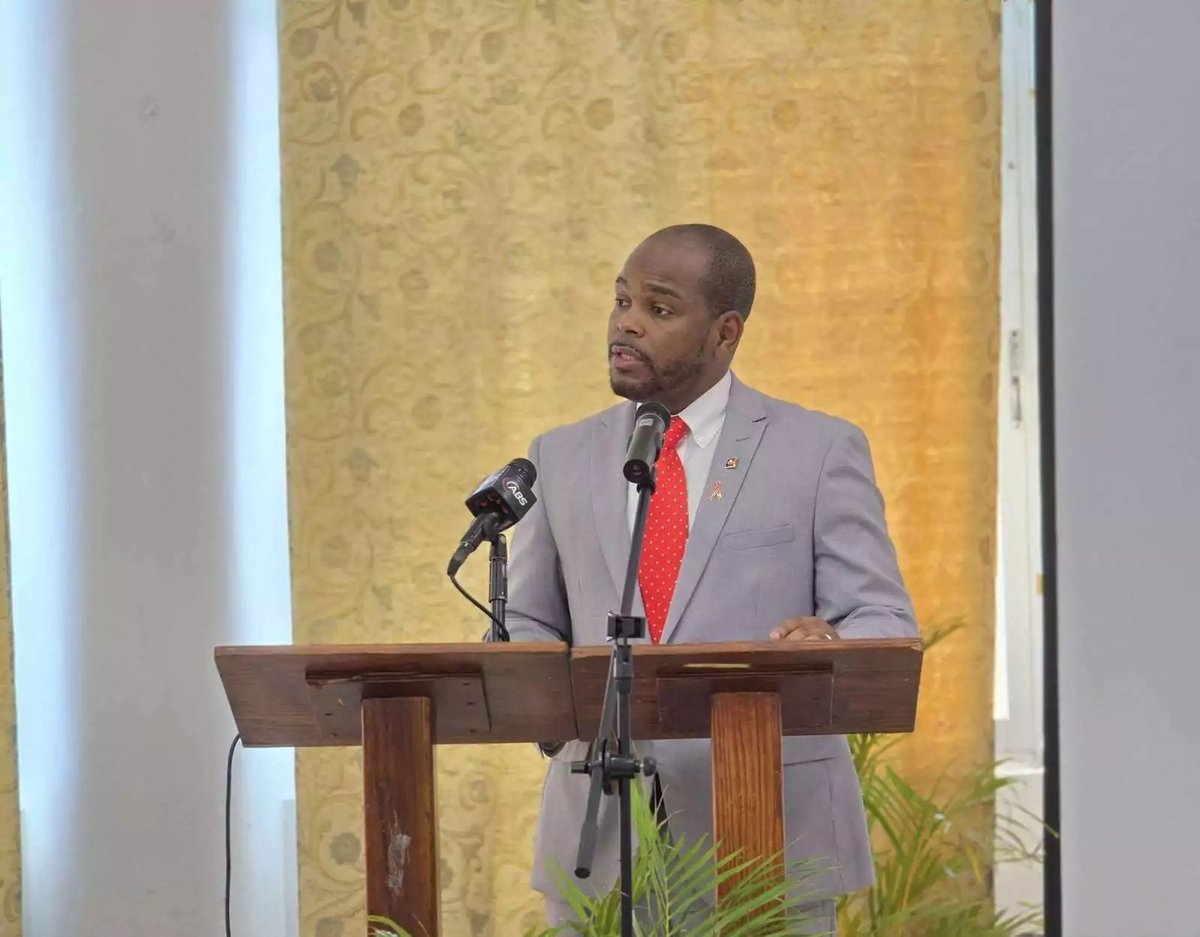
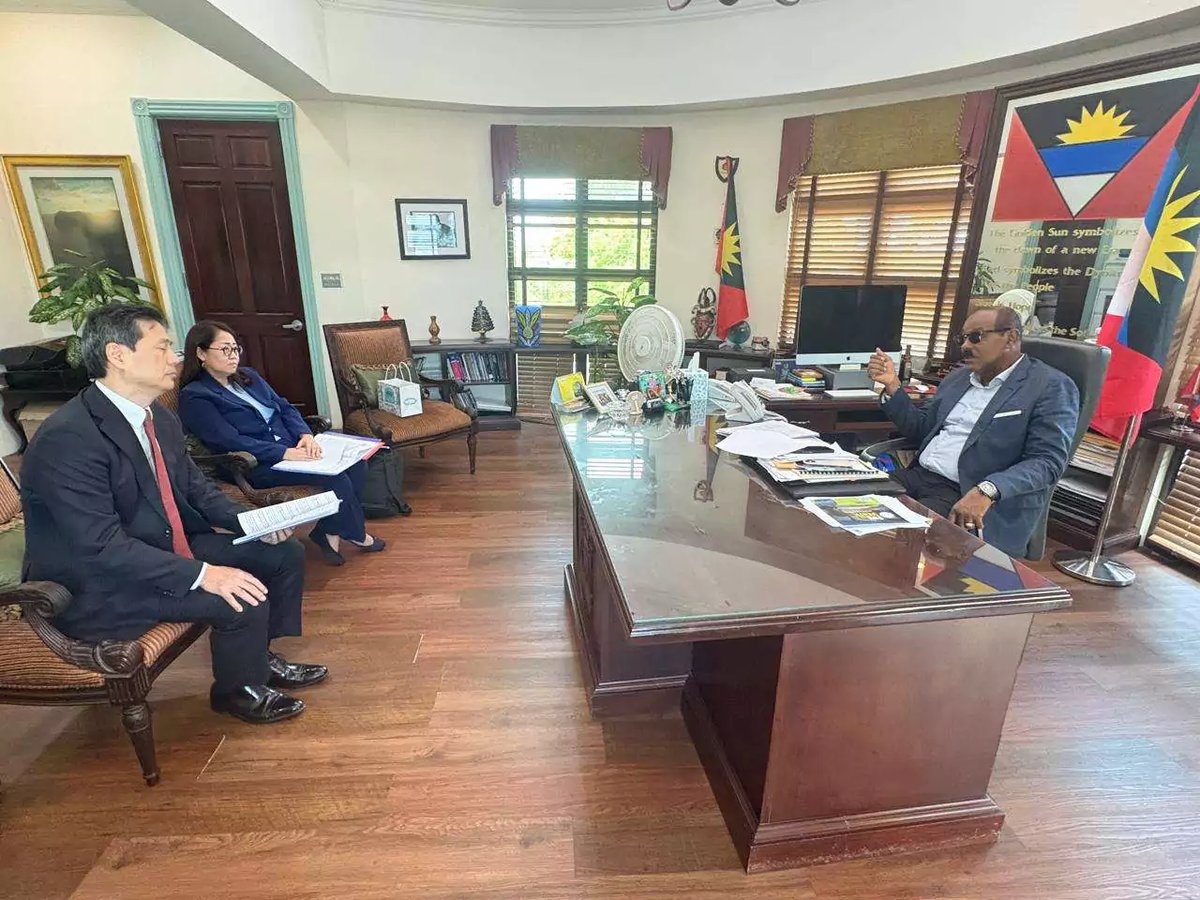
Prime Minister Hon. Gaston Browne and Minister of Agriculture, Fisheries and the Blue Economy Hon. Anthony Smith Jr. each made separate appeals during courtesy calls last week with Japanese Ambassador Yusuke Miyasaka and First Secretary Mr. Ursushitata.
Prime Minister Browne called on Japan to provide equipment and research support to help the country better manage the annual sargassum influx. "We are making an appeal to our friends, the Japanese government, to help us with equipment or research on how we can effectively deal with the tons of sargassum seaweed that overwhelm our beaches annually," he said.
The Government is particularly interested in converting the seaweed into commercially viable products such as fertilizers. Browne acknowledged the challenge has not been easy to solve. "Attempts to turn the seaweed into useful products have so far proven difficult, but we remain hopeful that there may be solutions that countries like Japan can help us identify and implement," he added.
Agriculture Minister Smith made a parallel request to Ambassador Miyasaka, underscoring the growing economic and environmental toll sargassum continues to exact on Antigua and Barbuda.
Beyond the seaweed crisis, Prime Minister Browne also pressed for Japan's support in expanding the country's offshore fishing capacity. He pointed to the nation's vast territorial waters as an underutilised resource. "Antigua and Barbuda can be considered a mid-sized nation when our extensive territorial waters are taken into account. Unfortunately, we have not been able to effectively exploit the resources within those waters because we do not have the vessels needed to harvest our pelagic fish stock," Browne said.
The Government is seeking to acquire between 10 and 15 fishing boats to allow local fishers to operate farther offshore and access higher-value pelagic species. The initiative carries two primary objectives: increasing local fish consumption while reducing dependence on imported fish, and strengthening food security while creating new economic opportunities for the fishing community.
Browne said the Government is pursuing concessional financing arrangements to fund the vessel purchases as part of its broader blue economy agenda.