Dear Editor,
I am writing to express deep concern over the treatment of tenants by some landlords in Antigua and Barbuda, and to raise an important question: who protects tenants when those providing housing choose to ignore basic standards of fairness, professionalism, and respect? According to Antigua.news, this letter was submitted by a concerned citizen highlighting a specific case that points to broader systemic issues facing renters across the country.
I recently witnessed a situation that left me deeply troubled — not only because of how a young tenant was treated, but because of an apparent disregard for due process and personal privacy.
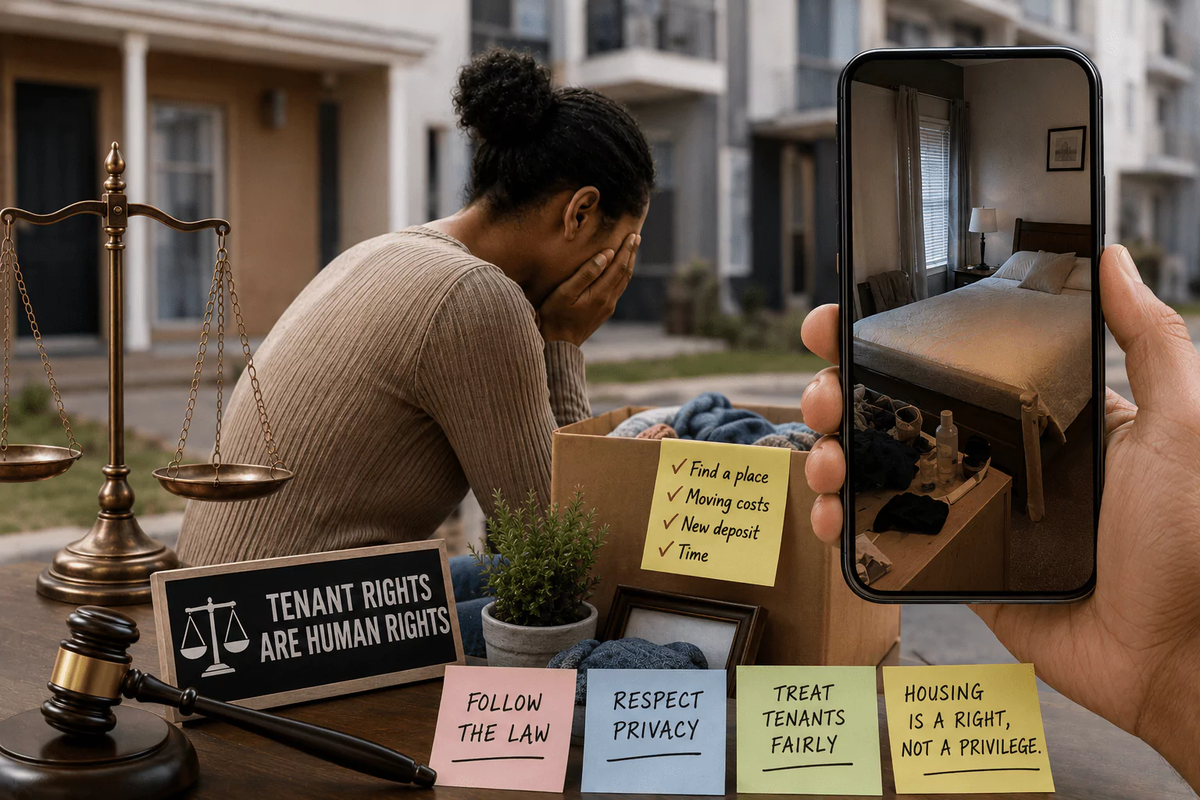
A young woman renting a room in a shared house was informed that her rent would be increasing substantially. Shortly thereafter, she was told she needed to vacate the property. Rather than being served the legally required 30-day notice, she was given only two weeks to leave. No formal written notice was provided, despite the gravity of requiring someone to leave their home.
How is a tenant expected to find suitable accommodation, gather moving expenses, and reorganise her life within just two weeks? Why should any tenant be forced to comply with a process that disregards the very legal protections put in place for their benefit?
The law exists to protect both landlords and tenants. A landlord has every right to recover possession of their property through proper legal channels — but tenants also have rights. Among those rights is adequate notice. A 30-day notice period is not a suggestion; it is a legal provision designed to give tenants a fair opportunity to secure alternative housing and avoid unnecessary hardship. In this case, that protection was not afforded.
What happened next was even more troubling.
The landlord proceeded to record and share video footage of the tenant's bedroom and personal living space in a public group chat used to advertise properties for rent or sale. Why would anyone consider it acceptable to expose a tenant's private living quarters to hundreds of strangers online? What gives a landlord the right to publicly display someone's personal belongings and private space without their consent?
Whether a tenant is staying, leaving, or in the process of moving out, their privacy must be respected. A bedroom is not a public showroom. It is a private space where a person lives, sleeps, and keeps personal belongings. Sharing images or video of that space in a public forum reflects a shocking lack of professionalism and basic human decency.
What message does this send to current and future tenants? That their privacy can be violated at any time? That their personal space can be displayed to strangers without warning? That landlords can publicly embarrass tenants simply by virtue of owning the property?
The conduct displayed throughout this situation is equally concerning. Rather than handling the matter professionally and respectfully, there appeared to be a dismissive attitude toward the tenant's rights and concerns. Basic courtesy, communication, and respect were absent from the process.
Also worth noting is the cost involved. The tenant was paying $1,100 per month for a single room in a shared house. At a time when many residents are already struggling with rising costs of food, utilities, transportation, and housing, one must ask whether such a figure for a shared-residence room is fair and reasonable.
This matter extends beyond a dispute between one landlord and one tenant. It raises broader questions about tenant protections, privacy rights, and accountability. If landlords can ignore notice requirements, bypass written communication, and publicly share a tenant's personal living space without consequence, what protections truly exist for renters in Antigua and Barbuda?
Owning property is not a licence to disregard the rights and dignity of others. Landlords deserve respect — but so do tenants. The relationship must be governed by fairness, professionalism, and the law, not by personal feelings, convenience, or intimidation.
I hope this situation sparks a wider public discussion about tenant rights in Antigua and Barbuda, and serves as a reminder that everyone deserves to be treated with dignity, regardless of whether they own a property or rent it.
Concerned Citizen