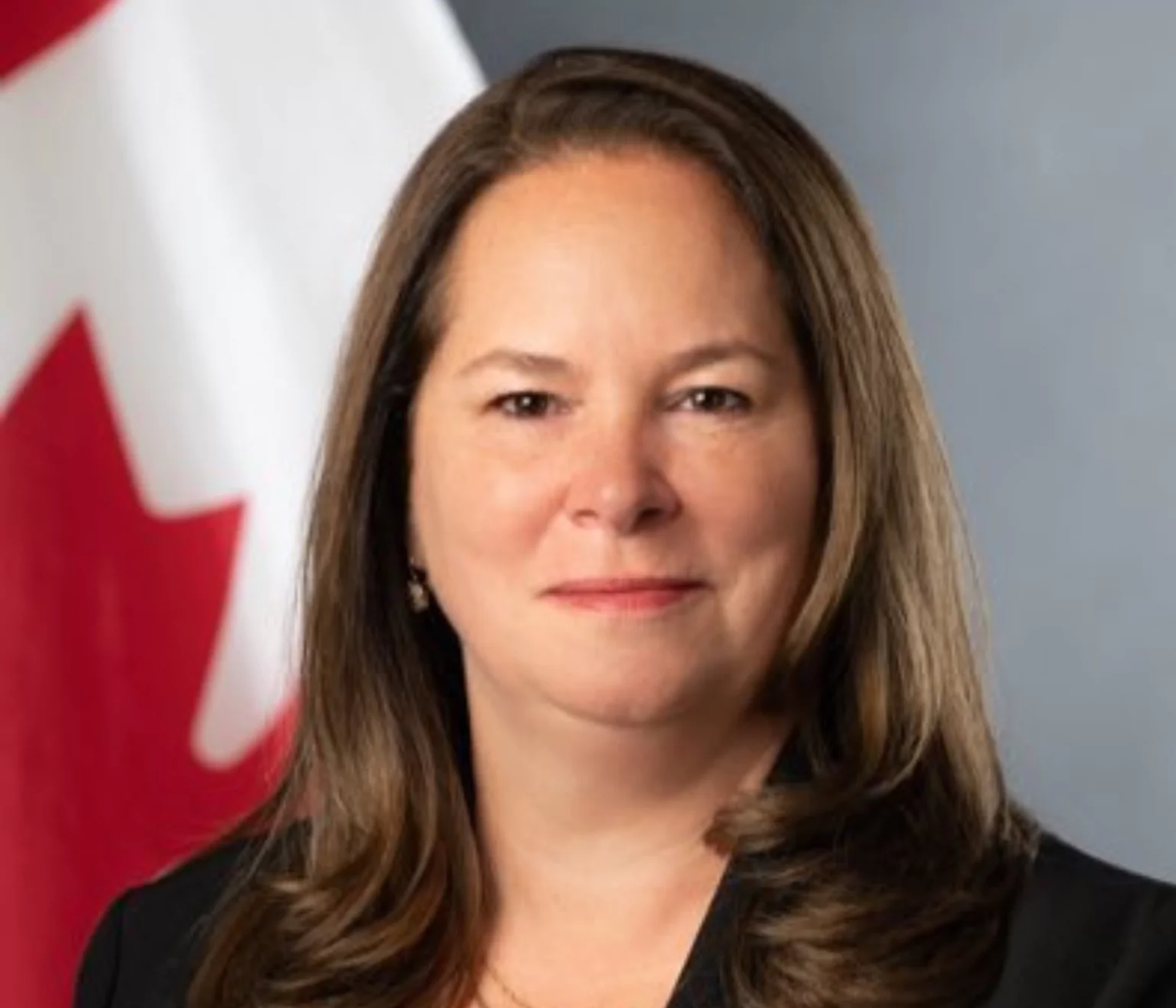
By Ambassador Isabelle Valois, Executive Secretary for Integral Development, Organization of American States (OAS)
As the 56th OAS General Assembly approaches in Panama City, Ambassador Isabelle Valois says the Americas stand at a critical juncture — one that demands renewed commitment to development as an essential pillar of peace, democracy, and security. According to Antigua.news, the opinion piece was authored by Valois in her capacity as Executive Secretary for Integral Development of the OAS.
Representatives from across the hemisphere will gather in Panama from June 22 to 24 under the theme Strong Multilateralism, reaffirming the value of regional cooperation in tackling shared challenges. Valois argues that cooperation remains one of the most effective tools available — enabling countries to share knowledge, build capacity, mobilize resources, and advance solutions that no single nation can achieve alone.
"Development is not separate from our goals for peace, security, and democratic governance — it is one of the foundations that make them possible," Valois writes.
The OAS recognizes that development is most effective when approached in an integrated manner. Access to education, job opportunities, environmental sustainability, and competitive economic environments are closely interconnected. These challenges are particularly acute in small island developing states and vulnerable economies, notably across the Caribbean and Central America.
The scale of the challenge is stark. More than 160 million people in Latin America and the Caribbean still lack access to safe drinking water. Half of all workers remain in informal employment without basic protections. Nearly 10 million children and youth are out of school. Valois says these realities underscore the urgent need to invest in education, skills, and opportunity so that people can build more secure futures.
Countries across the region are also working to build resilience to severe weather events, modernize infrastructure, expand connectivity, and harness digital technologies. Valois contends that meeting these challenges requires practical support and strong partnerships that allow countries to learn from one another and move faster toward shared goals.
Trade, investment, and economic integration are central to that agenda. When aligned with strong institutions, security, and democratic values, Valois argues they can strengthen competitiveness, expand markets, and create more resilient value chains. Supporting small businesses, improving supply chains, and expanding digital trade are highlighted as key to ensuring communities across the Americas share in lasting benefits.
The Executive Secretariat for Integral Development has pointed to concrete results in support of its mission. In the Trifinio region shared by El Salvador, Guatemala, and Honduras, an OAS-supported initiative strengthened water security for more than 12,700 people and over 7,200 hectares of land. Through its Development Cooperation Fund, the OAS has committed US$1.875 million to support 14 projects advancing resilience, technological transformation, and institutional capacity across the hemisphere.
In 2025 alone, OAS scholarship and training programs have opened doors to 2,779 students, unlocking an estimated US$19.5 million in educational opportunities. The Rowe Fund extended that impact with more than US$1 million in financing for students from 18 Member States attending 46 U.S. universities. The Americas Competitiveness Exchange (ACE), a flagship OAS initiative, has facilitated over 900 cooperation agreements and partnerships, including those generated at its most recent gathering in Memphis, Tennessee.
Valois concludes with a direct call to action. "The Americas' development agenda remains unfinished, and this moment demands renewed commitment to multilateralism grounded in measurable results. It is not enough to convene — we must deliver," she writes. By aligning efforts across governments, institutions, and communities, she argues, the hemisphere can turn cooperation into outcomes that matter most: stronger economies, more resilient societies, and a more stable, democratic future for all.