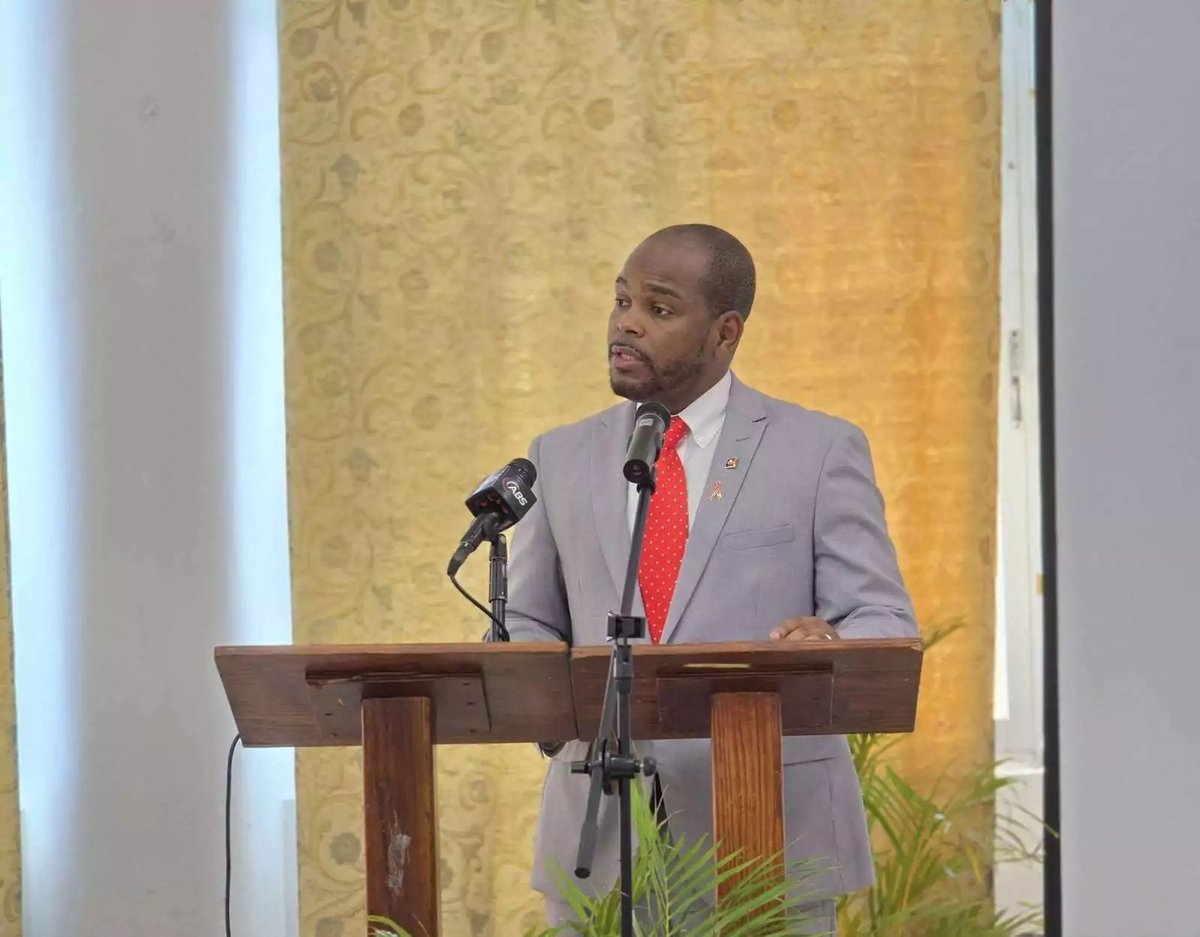
Families of persons killed in accidents will be eligible to receive compensation for grief and emotional suffering under new legislation passed by Parliament on Tuesday, according to Antigua News Room.
The Fatal Accidents Bill 2026 modernizes a law that has remained largely unchanged for more than a century, introducing bereavement damages for dependents of deceased victims. Attorney General Sir Steadroy Benjamin championed the measure, describing it as a long-overdue reform to strengthen legal protections for surviving relatives.
Benjamin told lawmakers that bereavement compensation addresses the pain and suffering endured by family members following the loss of a loved one. "One area being introduced for the first time is bereavement," he said during debate on the bill. "That is this pain and suffering endured by dependents when a family member loses his life."
The attorney general argued that the compensation amount originally proposed in the bill was insufficient. "Five thousand dollars clearly cannot be appropriate," he said, citing the emotional trauma suffered by families in the wake of fatal road accidents. He indicated his intention to seek an increase during the committee stage of debate.
Benjamin referenced a recent fatal crash in which a young man was killed while working along a roadway, saying the tragedy highlighted the need for stronger protections for surviving relatives. He stressed that the legislation is designed to ensure dependents and beneficiaries are better safeguarded when a family member dies as a result of another person's actions.
The bill also broadens the categories of persons eligible to bring claims, including spouses, children, parents, and other dependents. During the committee stage, Parliament amended the legislation to raise the maximum bereavement award to $20,000 and expanded eligibility to include children.
Benjamin told lawmakers the measure reflects the government's concern not only for accident victims but also for the families left behind.
The Fatal Accidents Bill 2026 was subsequently approved by Parliament and will replace provisions contained in legislation dating back to 1924.