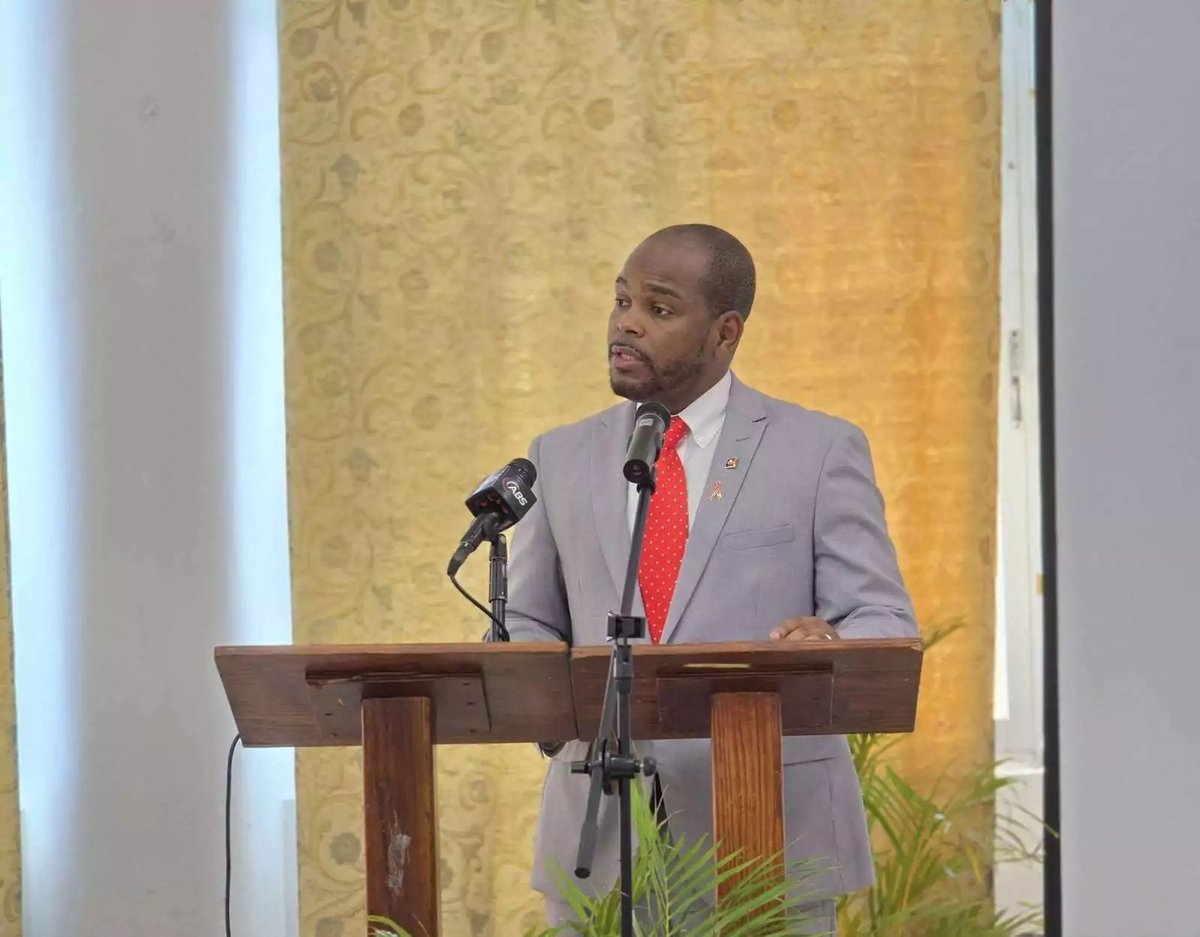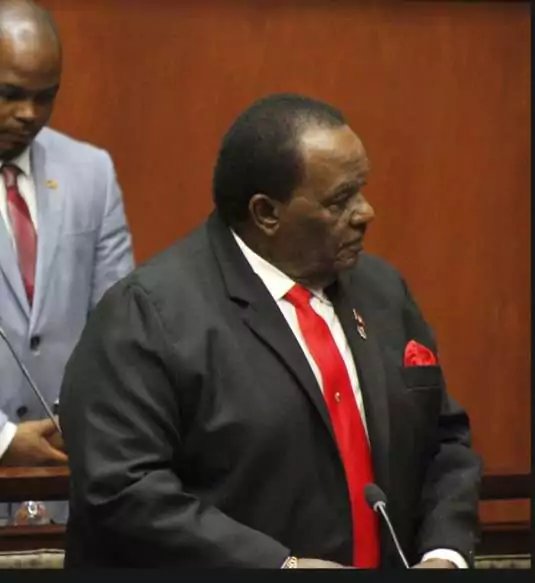
Attorney General and Minister for Legal Affairs Sir Steadroy Benjamin has signalled that the government intends to tighten traffic laws to allow for the immediate suspension of licences belonging to motorists involved in fatal crashes caused by reckless driving.
According to Antigua.news, Benjamin made the remarks during parliamentary debate on the Fatal Accidents Bill 2026 on Tuesday, the same day the legislation passed in the Lower House. He argued that existing laws are outdated and fail to adequately address the suffering of families who lose loved ones in traffic accidents.
Benjamin described situations in which victims sustain catastrophic injuries while drivers allegedly responsible for those accidents continue to drive freely because formal charges have not yet been laid. "That cannot be right," he declared, adding that where reckless, dangerous or careless driving is clearly the cause of a crash, authorities should have the power to suspend a licence on the spot.
The Attorney General also called for a significant increase to the $5,000 bereavement award proposed in the bill, arguing the figure does not adequately reflect the profound grief families endure after losing a loved one. He pointed to recent fatal crashes in Antigua and Barbuda — including incidents involving severe physical trauma to victims — and questioned how families, particularly young children, could be expected to cope with such losses through a modest payment alone.
The Fatal Accidents Bill 2026 seeks to replace legislation that has remained largely unchanged since 1924. Benjamin said the new law modernises the legal framework by expanding who may bring claims and ensuring that dependants receive greater protection following the death of a family member.
Benjamin also raised concerns about speeding on newly improved roads, citing All Saints Road in particular, and said further legal reforms are under consideration to improve road safety.
Minister of Social and Urban Transformation and Member of Parliament for St. Peter Rawdon Turner joined in supporting the bill, describing it as long overdue and warning that it will usher in a new era of accountability for reckless drivers, employers and others whose negligence results in death.
"This bill is long in coming," Turner told Parliament. "We can at least have some accountability to families who would have lost persons as a result of careless driving."
While endorsing the legislation, Turner called for stronger measures against drunk driving, urging authorities to introduce mandatory breathalyzer testing at the scene of serious traffic accidents. He recalled a past incident involving members of his own family in which it was apparent the responsible driver had been drinking, yet no alcohol test was administered. "I think that's something that's lacking in our force and in our laws," he said. "We need to ensure that drunk driving does not continue to cause accidents and deaths in this country."
Turner also stressed that the bill's reach extends well beyond road traffic collisions. He noted that the legislation carries significant implications for construction sites, workplaces and other settings where negligence leads to fatal injuries. Speaking as a contractor himself, Turner said the bill serves as a clear warning to employers and site operators to maintain strict safety standards.
"If I don't ensure that my construction site is safe and we're following all the safety rules, I am going to become liable if a person is injured on my construction site," he said.
Turner further highlighted the widespread practice of transporting workers on the backs of trucks, calling it dangerous and warning that vehicle owners could face substantial liability under the new legal framework should a worker fall and die while being transported in such a manner.
The St. Peter MP also drew attention to provisions allowing courts to award damages beyond the bill's bereavement payment, giving judges discretion to compensate surviving family members for financial losses resulting from a loved one's death. Using the example of a father supporting children at university, Turner said the legislation could help prevent families from falling into hardship after losing a primary breadwinner.
"The court now has the opportunity to ensure that the education is not disrupted because that person is not here with us today," he said.
The Fatal Accidents Bill 2026 seeks to modernise Antigua and Barbuda's laws governing compensation for wrongful deaths, granting relatives and dependants greater access to damages where a death results from another person's negligence or wrongful act.