When it comes to protecting children in schools, the debate should not centre on whether children and parents need to make better choices. According to Antigua News Room, it should centre on whether governments are willing to fulfil their obligation to create environments that support those choices in the first place.
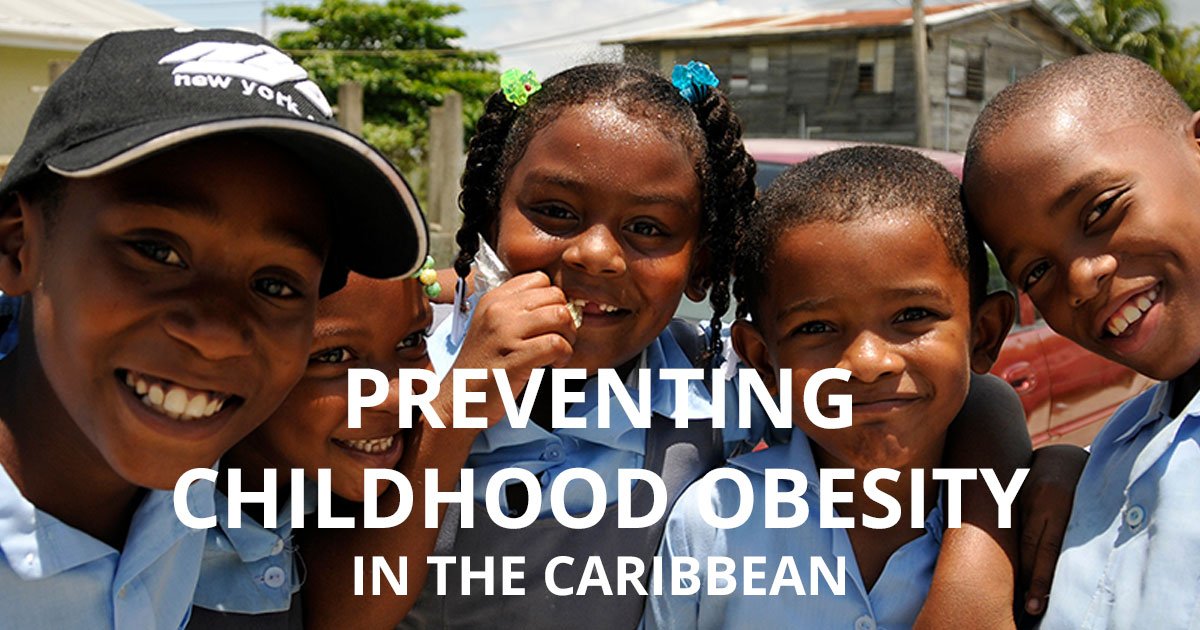
The Caribbean is facing a crisis of childhood overweight and obesity. Recent data shows that nearly 42% of Barbadian children are living with overweight or obesity, up from 33% just a decade ago. These children face an increased risk of diabetes, hypertension, heart disease and other non-communicable diseases (NCDs) — imposing an enormous burden on families, communities, healthcare systems and the broader economy.
A recent public discussion in Barbados, spurred by the Heart and Stroke Foundation of Barbados' ENOUGH campaign calling for the regulation of unhealthy food marketing in schools, repeatedly returned to the theme of personal responsibility.
Parents undoubtedly play a critical role in shaping children's habits, including encouraging healthier food and beverage choices. But without meaningful change in the surrounding environment, how can families be expected to navigate the predatory and pervasive marketing that exists at every corner of the school environment? Children have also been encouraged to advocate for healthier lifestyles. Families matter. Education matters. Personal choices matter.
However, when nearly half of a nation's children are affected by the same problem, the question must be asked: are we confronting a failure of individual responsibility, or a failure of the environment surrounding them?
When 42% of children are living with overweight or obesity, this is no longer a matter of individual failure. It is a matter of systems, environments and policies producing predictable outcomes.
This distinction is critical, because the current debate is centred on whether harmful food and beverage marketing should be permitted in school environments at all. Would we allow tobacco companies to sponsor school events, distribute branded materials to students and cultivate brand loyalty among children — and then tell those children to exercise greater self-control? Would we permit alcohol companies to market their products in schools and then place the burden of resistance on children?
Society broadly recognises that schools should be protected spaces where children's wellbeing takes precedence over commercial interests. Yet when it comes to foods and beverages linked to obesity and diet-related NCDs, the conversation persistently shifts back to what children and parents should do differently.
Children are exposed to highly sophisticated marketing. They do not possess the same capacity as adults to critically evaluate these messages. They deserve special protection. If children cannot critically evaluate sophisticated marketing, it is unreasonable to expect them to consistently resist it.
Barbados has spent more than $6.1 billion on healthcare over the last 15 years. Yet taxpayers, families and the public healthcare system continue to bear these costs while the industries whose products and marketing practices contribute to the problem retain their profits.
The evidence is clear. Ultra-processed foods and sweetened beverages are aggressively marketed to children, including within school environments. Brand loyalty is cultivated from an early age through sponsorships, promotions, giveaways and other techniques specifically designed to influence behaviour in and around schools.
When debates about public health regulation arise, governments often find themselves repeating a narrative long favoured by commercial actors — that the central issue is personal responsibility. This framing shifts accountability away from industry and reduces pressure on governments to regulate. History illustrates where this leads.
For decades, tobacco companies argued that smoking was simply a matter of personal choice. Alcohol producers continue to emphasise responsible drinking while resisting measures that restrict marketing and availability. The language changes. The strategy does not.
When the conversation focuses primarily on personal responsibility, the burden falls on those with the least power to shape the environment, while accountability is removed from those with the greatest power to shape it.
Public health progress has never been achieved through personal responsibility alone. Seatbelt laws did not save lives because drivers suddenly became more responsible. Tobacco control successes did not occur because smokers received better advice. Progress came because governments accepted their responsibility to create environments that made healthier and safer choices easier.
The same principle must apply to childhood obesity.
If society is serious about reducing the burden of NCDs, it must stop asking those with the least power to solve a problem created by those with the greatest power. Parents and children cannot decide what products are marketed to them in schools. They cannot determine public policy. They cannot negotiate with corporations seeking to cultivate lifelong consumers.
The focus cannot remain on parents and children while the industries that profit from unhealthy diets escape meaningful scrutiny and accountability.