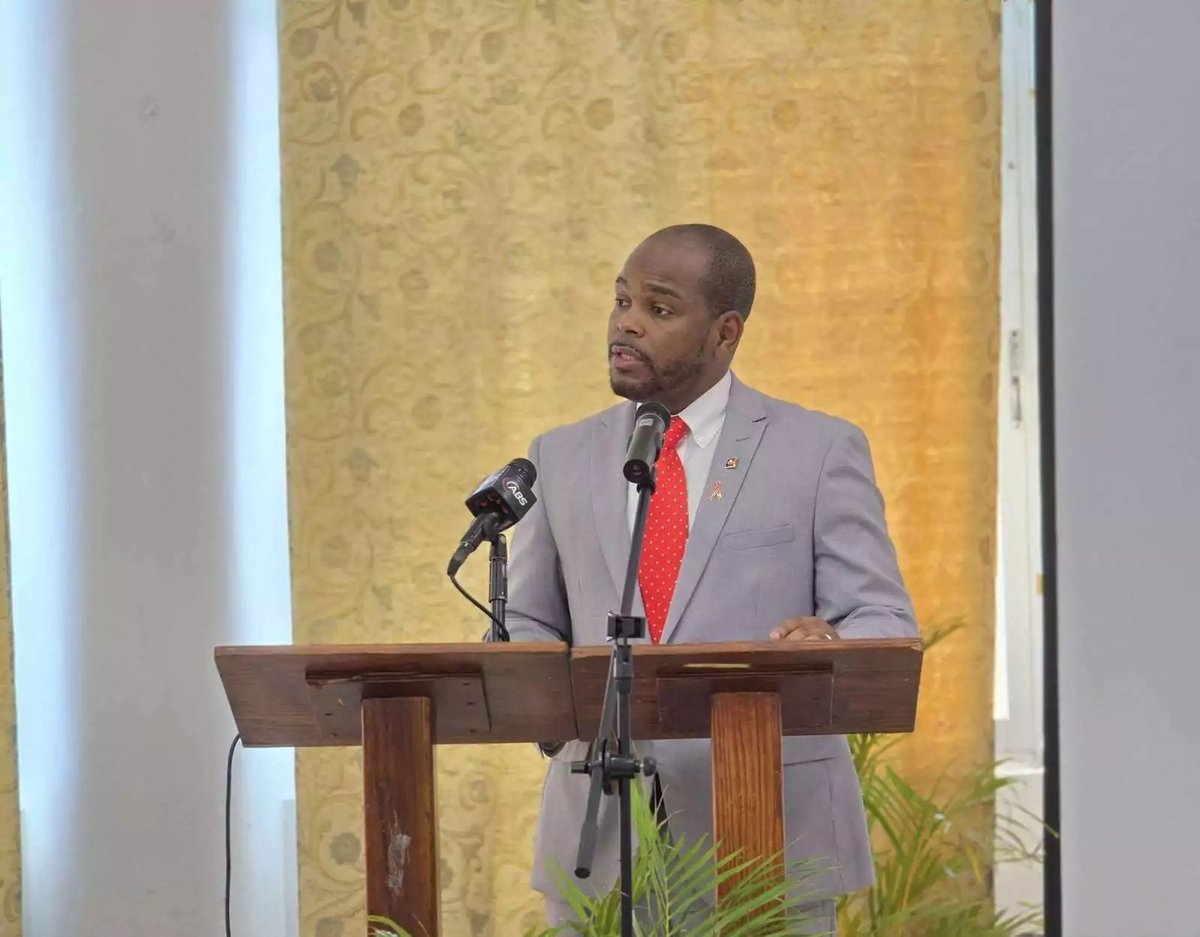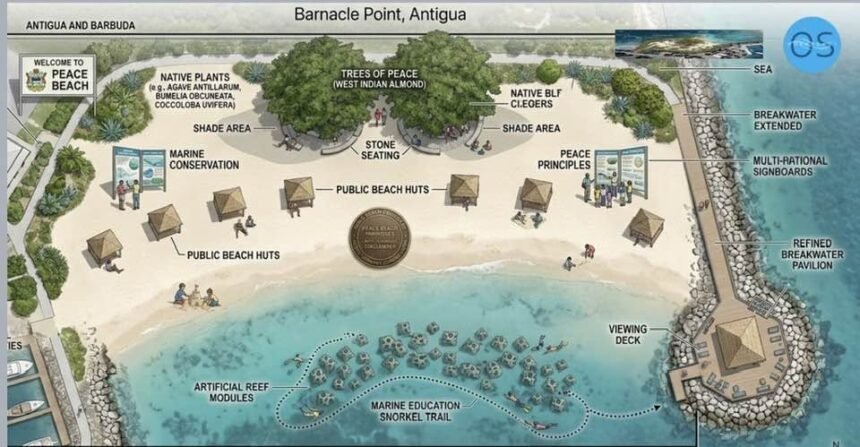
Prime Minister Gaston Browne has outlined plans for a new public beach and artificial reef development at Barnacle Point, envisioning the site as a space for recreation, environmental education and even conflict resolution. According to Antigua News Room, Browne discussed the project — which he has named "Peace Beach" — during his weekly radio programme on Saturday.
Browne said the facility is progressing with a target of substantial completion ahead of the 2026 Commonwealth Heads of Government Meeting (CHOGM), scheduled to be hosted by Antigua and Barbuda in November of that year.
"The whole idea too is that anyone who has any conflict, they can always go to Peace Beach to settle the conflict," Browne said. "So it will be the 366th beach here in Antigua and Barbuda."
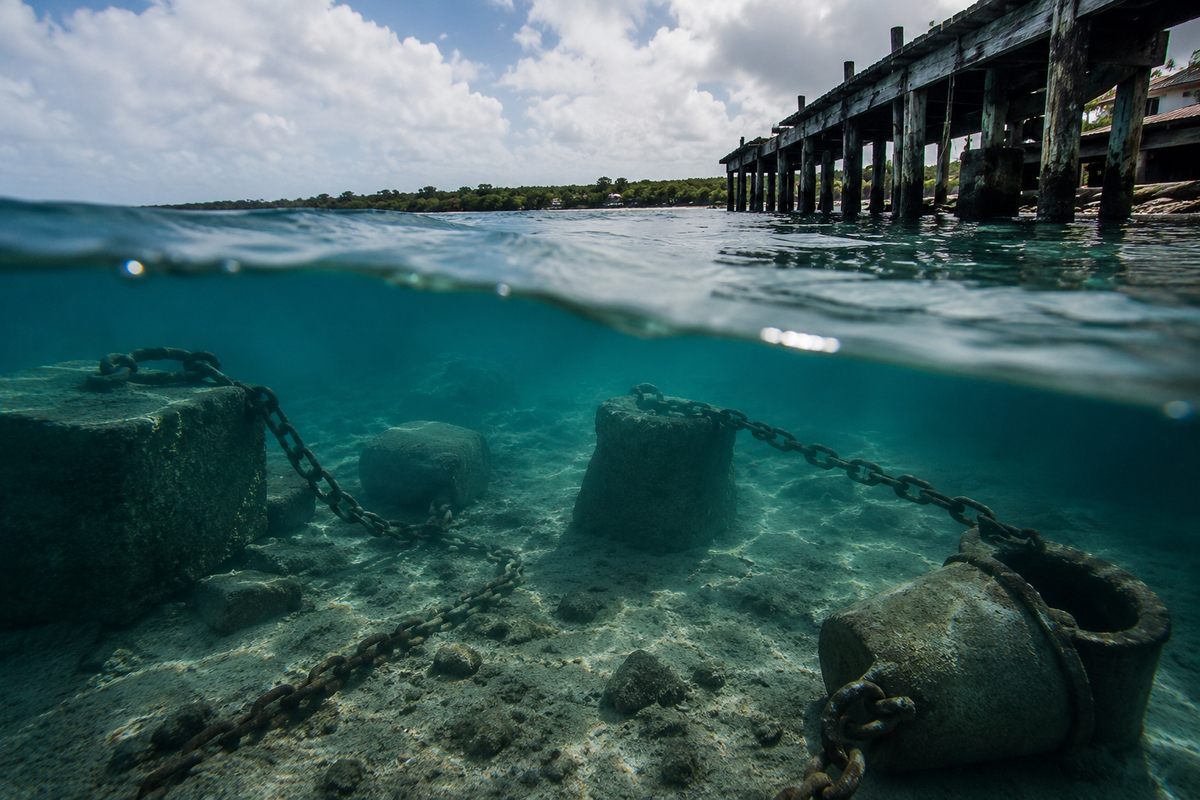
The project will feature an artificial beach and a specially designed artificial reef system intended to enhance marine life while creating a new public attraction. Browne said the initiative originated from dredging work associated with the West Indies Oil Company's liquefied natural gas project, which generated material requiring disposal. Rather than transporting the dredged material out to sea at considerable cost, a portion was redirected to create new beachfront land at the site.
The prime minister noted that the project carries personal significance, saying it is named both for his commitment to peace and for his daughter, Peace.
The artificial reef component is expected to be central to the development. Browne said reef modules are currently being manufactured in the United States and are anticipated to arrive in Antigua within weeks.
"We are currently manufacturing the modules in the United States," he said. "My understanding is that they should be shipped within the next week or two."
Once installed, the structures are designed to support the growth of marine ecosystems, including coral, sponges, lobsters and reef fish. Browne said the reef system is being engineered to scientific specifications to create habitats suited to different species.
"These reefs are constructed in such a way that they have specific types of openings and spaces to attract marine life," he explained. "It's not simply a matter of dumping rocks in the water."
Landscaping plans for the site include coconut palms, sea grape trees and large almond trees, which Browne referred to as "peace trees."
Beyond its recreational appeal, Browne said Peace Beach is intended to serve as an educational resource for young people. "Our children, for example, can go there and observe the marine ecosystem," he said.
The development forms part of broader efforts to address the decline of coral reefs and marine habitats under pressure from climate change. Browne said the artificial reef will eventually support coral restoration efforts similar to projects already underway in Barbuda.
"Most of our coral reefs have been bleached as a result of climate change," he said. "This is our part in literally restoring the environment and even enhancing the environment."
Browne also revealed plans for a potential second phase that could include a monument honouring Antigua and Barbuda's national heroes, with sculptures depicting them seated together around a table.
"A second phase will involve having our national heroes sitting around the table having lunch," he said. "That is the second phase, if we can raise enough resources."
The project is being financed primarily by members of the prime minister's family as a contribution toward creating a public space combining recreation, environmental stewardship and national heritage, as reported by Antigua News Room.
Browne said the completed facility is among the sites the government hopes to showcase when Antigua and Barbuda hosts CHOGM. He noted that King Charles III has championed environmental sustainability and said Peace Beach could serve as a demonstration of the country's commitment to conservation and nature-based solutions.
A similar marine restoration initiative has already been established in Barbuda, where artificial reef systems have been deployed to encourage marine biodiversity and protect coastal areas, Browne added.
Work on the site is ongoing, with heavy equipment currently being used to level the ground in preparation for landscaping and reef installation.