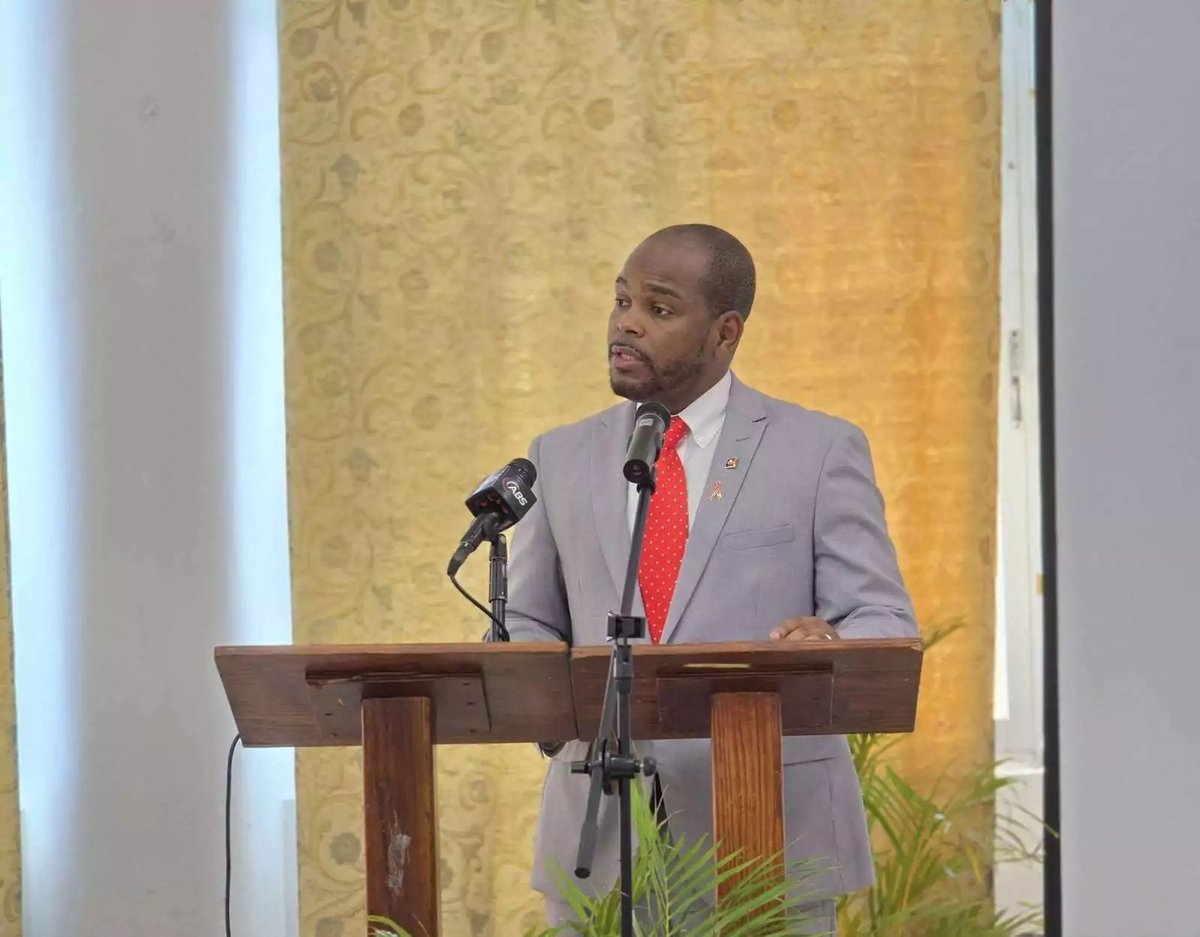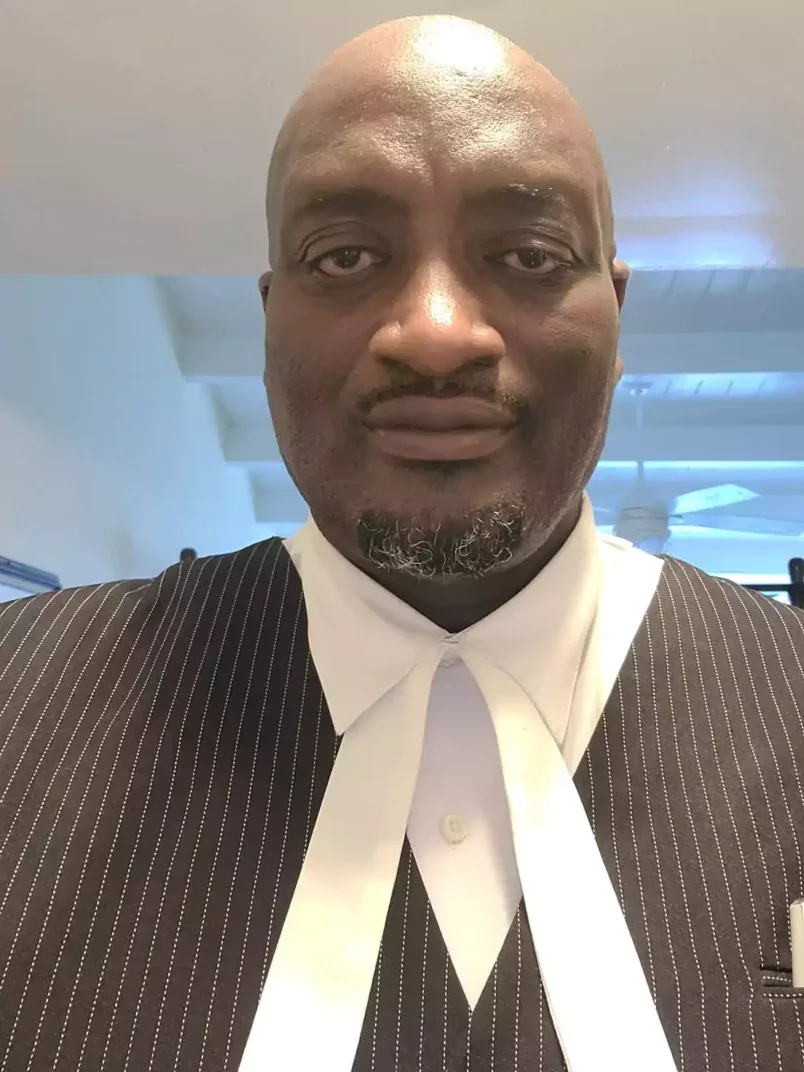
Prime Minister Gaston Browne has publicly challenged Director of Public Prosecutions (DPP) Clement Joseph over his reported position that he is not obligated to explain his prosecutorial decisions, arguing that constitutional independence does not shield public officials from accountability.
According to Antigua News Room, Browne addressed the matter during his weekly Saturday radio programme, acknowledging the DPP's constitutional authority while insisting that public concern demands a higher standard of transparency.
"He's right in terms of his independence. He's right in terms of his constitutional authority," Browne said. However, he maintained that when decisions generate widespread public concern, the DPP carries an obligation to respond. "When you have situations in which the public becomes concerned about certain decisions, he has an obligation to allay the fears and to provide, at least, a level of justification for his decisions, obviously without revealing confidential information."
Joseph had reportedly stated that the Constitution grants him full discretion over criminal prosecutions and that he is not required to justify that discretion to the public. Browne said he gave Joseph the benefit of the doubt that he may have been misquoted, but warned that if the remarks were accurately reported, they reflected a troubling posture toward public accountability.
"Maybe he didn't say it in that way," Browne said. "But if indeed he did respond in that way and show some level of contempt for the public, maybe that was not his intention, but he came across in that way."
The prime minister drew a direct contrast with his own conduct in office. "I come here on a Saturday not only to inform the public but also to give account of my stewardship," he said. "I don't see how DPP could take the position that he's not accountable to the public."
Browne's remarks were closely tied to public controversy surrounding two recent narcotics-related cases in which prosecutions were reportedly discontinued. He stressed that his concern was not necessarily with the decisions themselves, but with the failure to offer any explanation that could reassure the public and prevent damaging speculation.
In one case involving an ill female prisoner, Browne noted that formal procedures already exist for compassionate release or sentence commutation, involving the prison superintendent, the Attorney General, and ultimately the Governor General. He said a simple public explanation of the woman's medical circumstances could have defused the controversy.
"I had a report, for example, from the prison superintendent who said that this lady is not in the kind of health condition that she could serve time," Browne said. "Based on the medical reports and the recommendation of the prison superintendent, I would have acted based on the recommendations and even published a letter. There's nothing untoward about that. What is so confidential about that?"
The prime minister also referenced a second matter involving a Jamaican national connected to a narcotics case whose prosecution was also reportedly discontinued. "There's another gentleman involved in a narco case, a Jamaican gentleman, who also was given a reprieve," Browne said. "He may have had good reason or reasons so to do, but he has to be careful."
Browne was careful to stop short of accusing Joseph of any wrongdoing, describing him as "a man of impeccable integrity." Nevertheless, he cautioned that the absence of explanation creates fertile ground for damaging speculation. "The knee-jerk reaction — and already I would have heard people speculating — is that some high-ups would have given him some kind of direction to drop that case."
The prime minister warned that such perceptions could harm both the Office of the DPP and Antigua and Barbuda's international standing, particularly in the eyes of foreign governments monitoring the country's handling of narcotics cases.
"Two sets of people involved in narco-trafficking got a reprieve within the space of a week or two," Browne said. "You have people in other capitals, especially the U.S. and so on, who look at us and say, 'Wait, hold on. What's going on in Antigua?'"
Browne concluded with a direct rebuke of the DPP's reported stance. "He needs to allay the fears rather than to come across as haughty and unaccountable, telling people he doesn't have to account to them," he said. "All I'm saying to the DPP is be sensitive to the fact that those kinds of decisions even go beyond you in terms of consequences. You're wrong, you're dead wrong, to say that you're not accountable to the public."