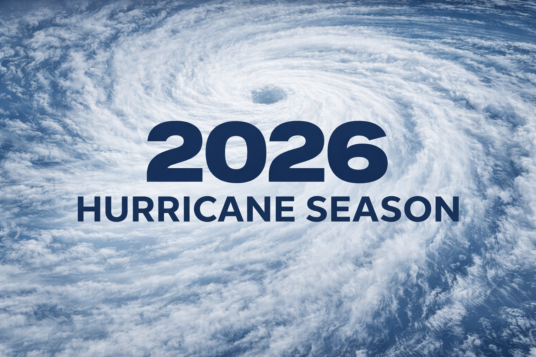
The Pan American Health Organization (PAHO) is calling on countries across the Americas to review contingency plans and strengthen health system preparedness ahead of the 2026 Atlantic hurricane season — even as forecasters predict a below-normal level of activity. According to Antigua News Room, PAHO's warning comes amid projections that this season will be less active than recent years, though the organisation cautions that a single severe storm can still cause widespread disruption to health services and put lives at risk.
"Extreme hydrometeorological events remain a constant threat across the Americas," said Leonardo Hernández, Head of PAHO's Emergency Operations Unit. "Preparing health systems before an emergency occurs is essential to protect lives, maintain access to critical services, and reduce the impact on the most vulnerable populations."
Beyond physical infrastructure damage, hurricanes and flooding can trigger outbreaks of waterborne and vector-borne diseases, respiratory illnesses, and mental health crises. Such emergencies also place additional pressure on health systems that are already stretched under normal operating conditions.
PAHO is urging countries to ensure health facilities have updated contingency plans, trained personnel, and coordination mechanisms capable of sustaining essential services through and after a disaster. The organisation also recommends strengthening surveillance systems and community-based monitoring to enable early detection of health risks linked to extreme weather events.
Regarding the season outlook, the U.S. National Oceanic and Atmospheric Administration (NOAA) forecasts a below-normal 2026 Atlantic hurricane season, attributing the reduced activity partly to the development of El Niño conditions. El Niño — characterised by warmer-than-average sea surface temperatures in the Pacific Ocean — typically suppresses tropical cyclone formation in the Atlantic basin.
However, El Niño can simultaneously alter rainfall and temperature patterns across the Americas, raising the likelihood of droughts, heavy rainfall, flooding, and landslides in various subregions.
PAHO also highlights that the current epidemiological landscape in the Americas adds urgency to preparedness efforts. Ongoing outbreaks of measles and yellow fever, combined with the ever-present threat of emerging and re-emerging public health threats, mean that simultaneous emergencies could severely strain health systems and reduce their capacity to respond effectively when extreme weather strikes.
To assist countries in their preparations, PAHO will convene a virtual regional readiness meeting on 11 June, bringing together representatives from ministries of health and national disaster risk management agencies across the Americas. The meeting will focus on strengthening protocols related to health service management, epidemiological surveillance, and emergency operations, while drawing on lessons learned from previous emergencies.
The meeting will also support implementation of the WHO National Health Emergency Preparedness, Alert and Response Framework (2025), which promotes a multi-hazard approach built around five core systems: collaborative surveillance, community protection, safe and scalable care, access to countermeasures, and emergency coordination.
PAHO says it will continue working with member countries to strengthen national emergency preparedness plans and intersectoral coordination mechanisms at both national and local levels, with the goal of ensuring timely and effective responses to future health emergencies.