The Cabinet of Antigua and Barbuda has reaffirmed its strong support for the Caribbean Disaster Emergency Management Agency (CDEMA), backing efforts to secure sustainable long-term financing for the regional body amid growing climate-related pressures.
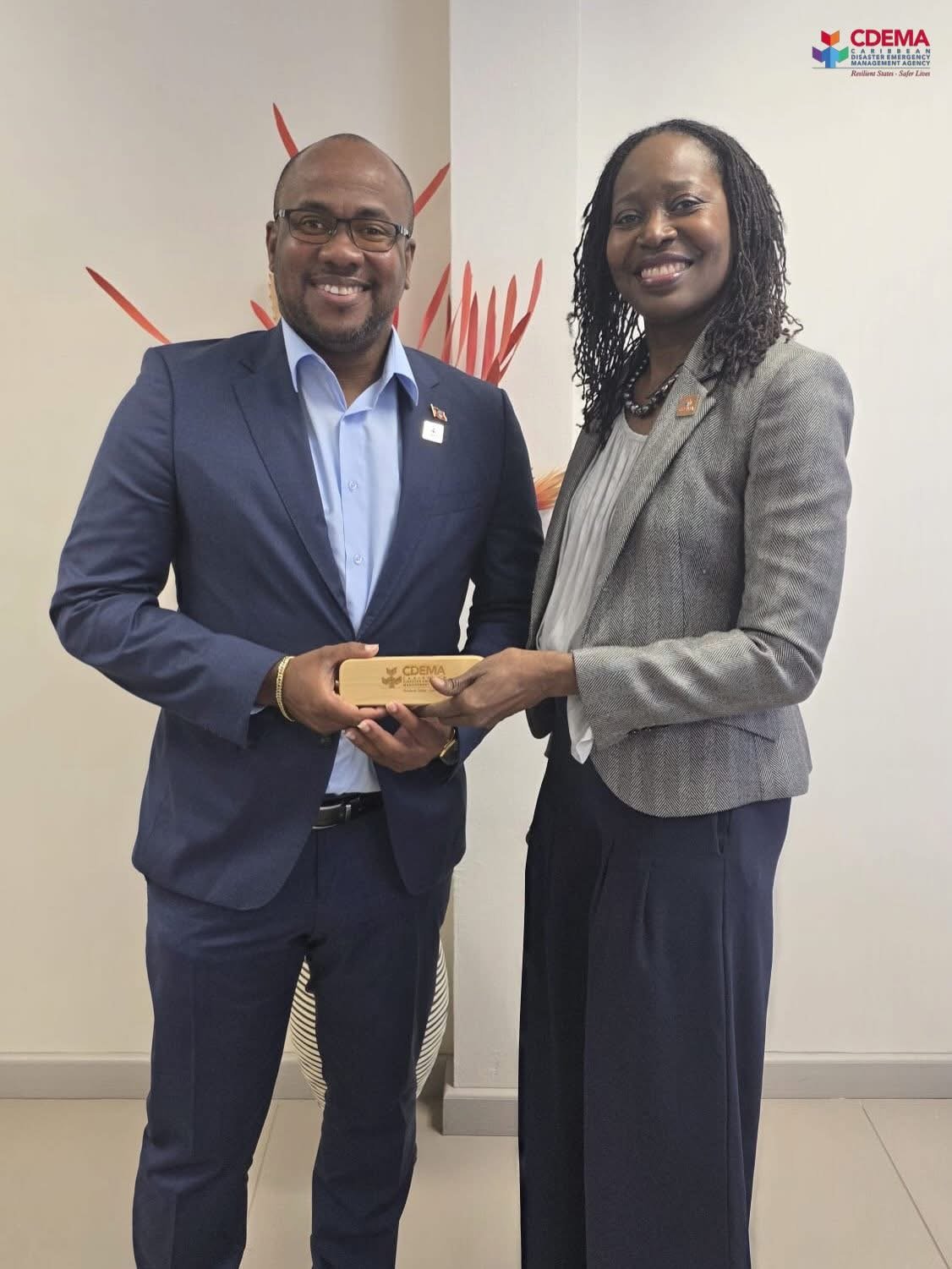
The pledge followed a Cabinet presentation by CDEMA's Executive Director, who visited Antigua and Barbuda to participate in the commissioning of newly upgraded hurricane shelters and to engage government officials on regional disaster preparedness and resilience initiatives.
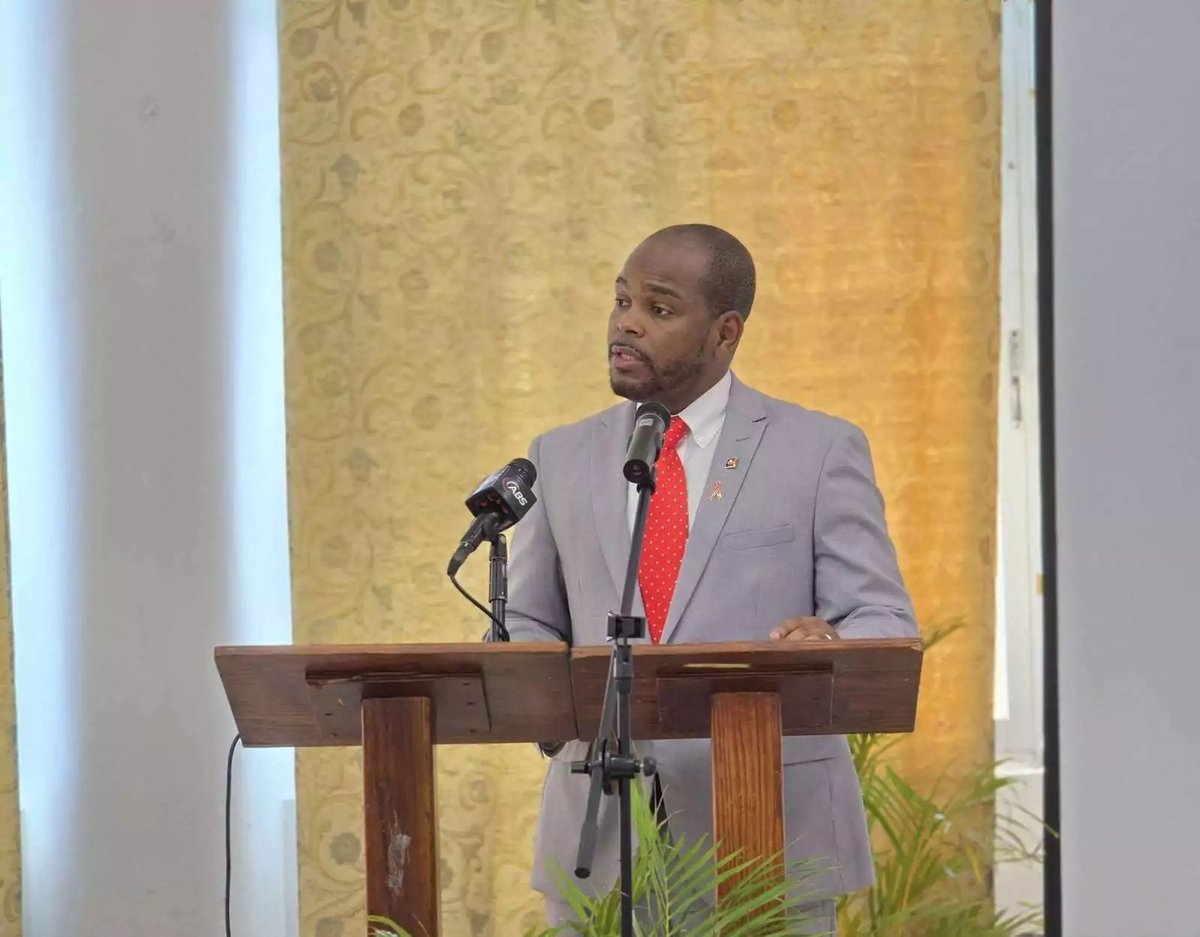
During her address to Cabinet, the Executive Director outlined the rapidly evolving disaster risk environment confronting the Caribbean, warning that climate-related hazards are becoming more frequent, more severe, and increasingly costly. She stressed that regional disaster management systems are now being called upon not only to coordinate emergency responses but also to support resilience-building and recovery efforts across the region.
CDEMA continues to play a critical role in coordinating regional disaster response and delivering technical assistance, training, and operational support to participating states. However, the organisation faces mounting financial and operational pressures as traditional sources of international development assistance grow less predictable amid shifting global priorities.
The Executive Director outlined CDEMA's strategy to address these challenges through institutional restructuring, enhanced technical expertise, and the development of more sustainable financing mechanisms. She placed particular emphasis on the need for participating states to increase their own investment in regional disaster preparedness systems to ensure critical resources remain available when disasters strike.
Cabinet noted that Antigua and Barbuda has been a significant beneficiary of its longstanding partnership with CDEMA. Between 2019 and 2025, the country received substantial technical and financial support through the regional mechanism, including disaster response assistance, specialised training for emergency personnel, and access to a growing network of regional and international partners.
The Executive Director also highlighted Antigua and Barbuda's strategic role within the regional disaster management architecture as a designated Sub-Regional Focal Point — a responsibility the country has held for several decades. Cabinet acknowledged that this leadership position strengthens both national and regional preparedness and contributes to the collective security of Caribbean states.
Following the presentation, Cabinet agreed that strengthening disaster preparedness and response systems remains a national priority, particularly as the region faces increasingly complex climate and environmental challenges. Cabinet expressed support for ongoing discussions regarding enhanced regional cooperation, capacity building, and financing arrangements aimed at bolstering disaster resilience across the Caribbean.
The Government of Antigua and Barbuda reaffirmed its commitment to working closely with CDEMA and regional partners to build safer, more resilient communities and to ensure the country remains prepared to respond effectively to future emergencies and natural disasters.