The Cabinet of Antigua and Barbuda has endorsed a new digital platform designed to modernise the collection and distribution of child maintenance payments, as authorities move to tackle widespread non-compliance affecting thousands of families across the country.
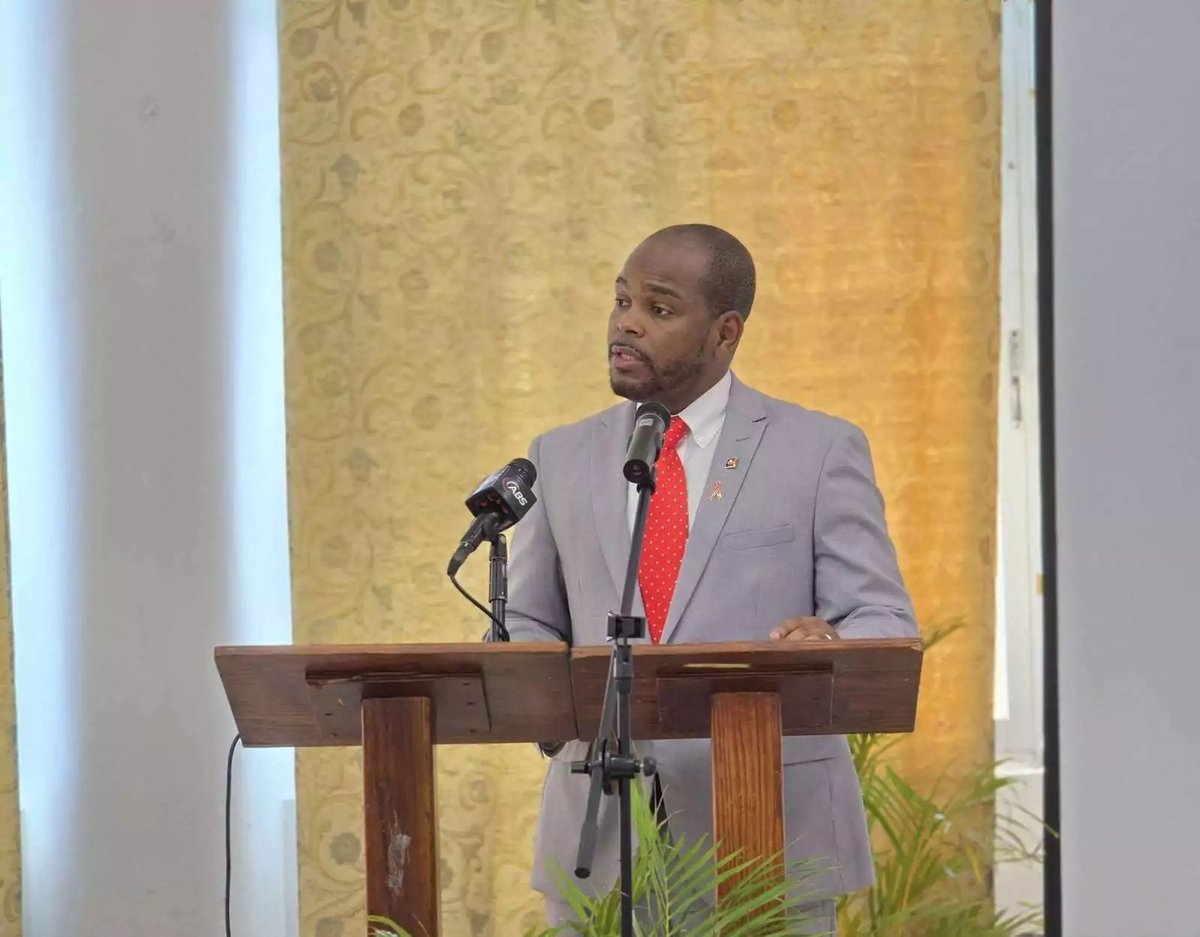
According to Antigua News Room, Director General of Communications Maurice Merchant announced the decision at Friday's post-Cabinet media briefing, outlining plans for the introduction of the Main Collect application — a digital system built to facilitate electronic child maintenance payments and strengthen oversight of court-ordered support obligations.
Merchant said Cabinet received a formal presentation from Family Court officials, including Registrar Francis Crown and Crown Counsel Alicia Asker, alongside a local software developer connected to the project. The presentation drew attention to longstanding difficulties the Family Court has faced in collecting and distributing maintenance payments in a timely and consistent manner.
Between 1,500 and 2,500 fathers in Antigua and Barbuda are listed in court records as holding child maintenance obligations, according to information presented to Cabinet. Delinquent payments have created significant financial hardship for mothers, guardians, and children who depend on that support.
The Main Collect application is expected to be fully operational within six months. The platform has already received approval from the Eastern Caribbean Supreme Court and is intended to be rolled out across member states of the Organisation of Eastern Caribbean States (OECS).
The system will enable maintenance payments to be made electronically via mobile devices and computers, while allowing recipients to securely track incoming payments. Court officials will have access to real-time data on payments, outstanding balances, and overall compliance rates.
Merchant acknowledged that technology alone would not resolve chronic non-compliance. Cabinet discussed a range of additional enforcement measures, including legislative amendments to stiffen penalties for persistent defaulters, the creation of a public register of delinquent fathers, and closer collaboration with employers to facilitate salary deductions from individuals who repeatedly fail to meet their obligations.