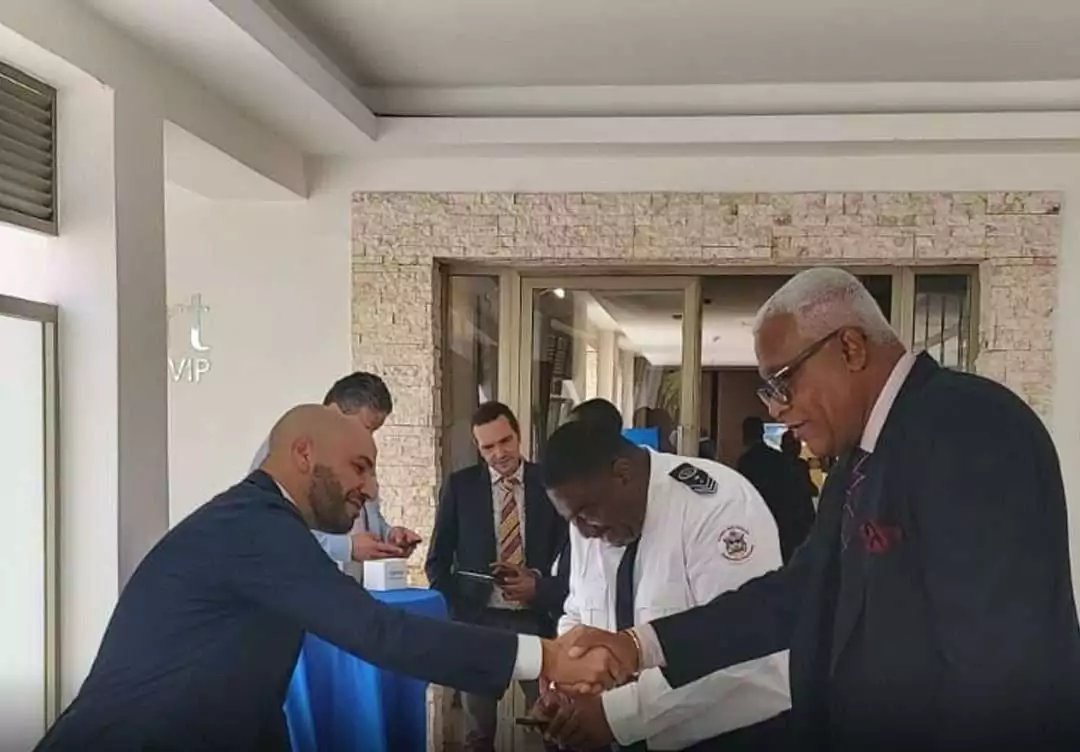
Senior immigration and customs officials from across the Commonwealth Caribbean have gathered in Antigua and Barbuda for the 29th Session of Chiefs of Immigration and Comptrollers of Customs. According to Antigua.news, border security, regional cooperation, and the free movement of people are among the key priorities driving the three-day meeting.
Delegates from across the region are examining growing security threats, evolving geopolitical pressures, and the need for stronger coordination between border agencies.
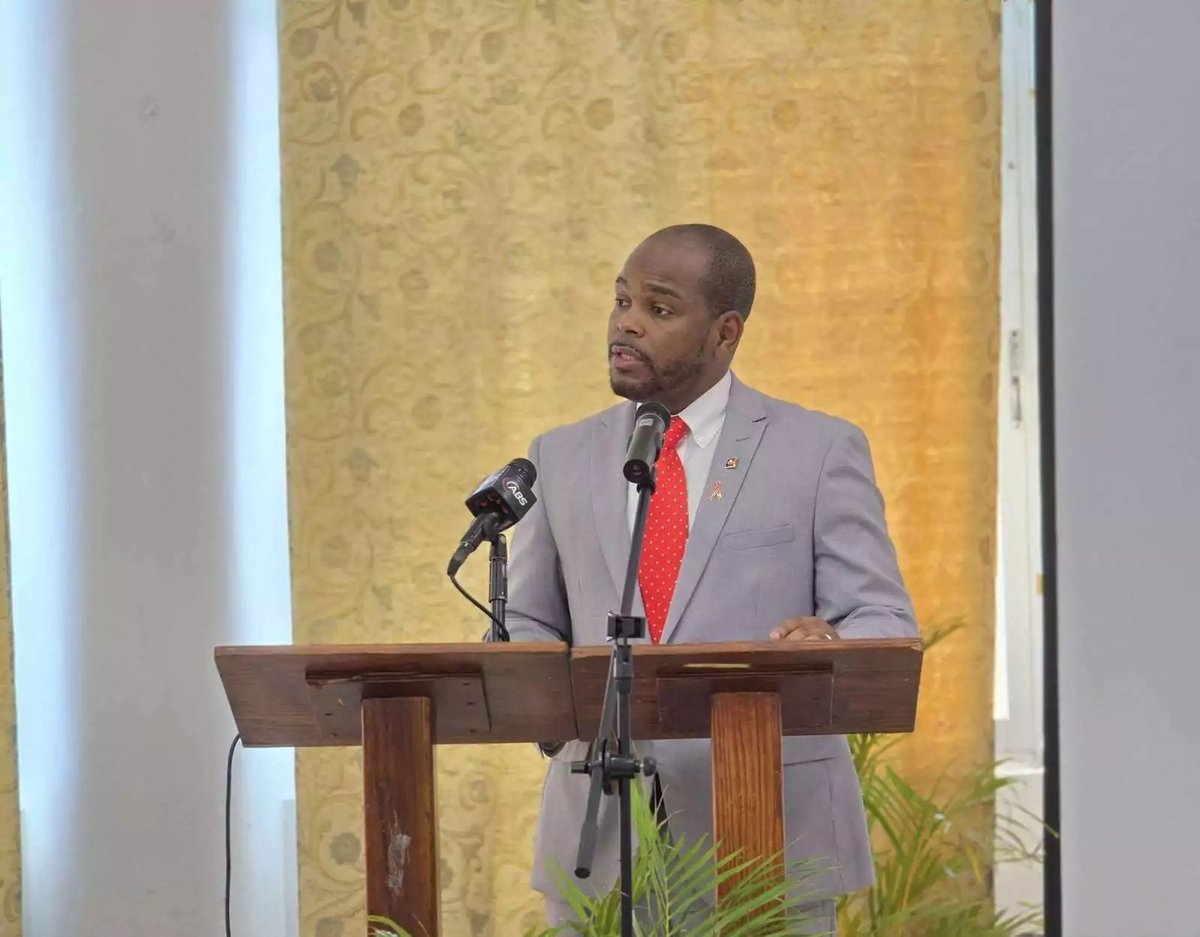
Antigua and Barbuda's Comptroller of Customs, David Martin, delivered welcome remarks at the opening ceremony, stressing the importance of regional collaboration amid shifting global conditions. "In today's rapidly changing global environment, Customs and Immigration Administrations must continue to work together to address emerging challenges, while promoting safe, secure and efficient trade and travel," Martin stated.
Chief Immigration Officer Katrina Yearwood described Antigua and Barbuda as a natural fit for hosting the summit, citing the island's role as a major Caribbean transit hub. "I am happy that we are meeting here as we are discussing a plethora of immigration and border security issues and Antigua and Barbuda is the leading Caribbean hub," Yearwood said. "You need to come to St. John's to get to at least 25 countries in the Caribbean," she added, characterising the nation as "not just the main hub, but also the shield."
The meeting operates under the theme "Advancing Free Movement, Strengthening Security and Harmonizing Border Governance." Estella Bailey Leslie, Chair of the Customs Committee and Comptroller of the Belize Customs and Excise Department, said the theme goes beyond ambition. "The overarching theme before us is not aspirational. It is operational," she stated. "It requires us to reconcile two non-negotiable mandates: facilitating the legitimate flow of people and trade, while maintaining uncompromising vigilance against transnational threats."
Charles Thompson of Montserrat, Chair of the Immigration Committee, cautioned that Caribbean states remain exposed to geopolitical forces beyond their control. "We recognize that the environment in which we are operating has changed and continues to change," Thompson observed. "As small states we are vulnerable and susceptible to these events, and the economic, social and political repercussions."
Earl Harris, representing CARICOM IMPACS, outlined his organisation's mandate to strengthen border management systems across member states. "Our strategic focus at CARICOM IMPACS is to be of service to our Member States in delivering a Caribbean Region that is safe, secure, and stable where our people can move freely, legitimate trade is hassle free, and our communities are protected from transnational organized criminal threats," Harris stated. He further emphasised that tackling regional security challenges demands collective responsibility and close inter-agency coordination.
The three-day session is expected to address border governance, migration management, customs enforcement, intelligence sharing, and strategies to combat transnational organised crime across the region.