The Government of Antigua and Barbuda is moving aggressively to strengthen the nation's water supply system, with plans underway to increase daily potable water production to 14 million gallons before the end of the year.
The announcement was made during Tuesday's Throne Speech, in which Governor General Sir Rodney Williams outlined ongoing investments in the Antigua Public Utilities Authority (APUA) and acknowledged the mounting challenges posed by drought conditions, climate change, aging infrastructure and growing national demand for water.
Sir Rodney described the provision of potable water as "one of the most daunting tasks" facing any small island developing state, particularly as Antigua and Barbuda continues to battle prolonged dry conditions and increasing pressure on national resources.
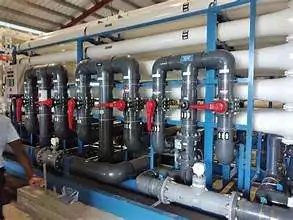
APUA's water production capacity has expanded significantly over the past decade, rising from approximately 3.5 million gallons daily in 2014 to 11 million gallons daily today through the addition of four reverse osmosis plants.
"Before the end of this calendar year, my government will be providing 14 million gallons of potable water daily," the speech declared.
However, Sir Rodney acknowledged that while production levels have improved substantially, consistently delivering water to homes and businesses remains a major challenge due to the country's aging underground pipeline network. Many existing pipes frequently rupture when water pressure increases, and they run beneath roads and streets throughout St. John's and several surrounding communities.
Replacing those pipes has required extensive road excavation, generating complaints from residents and motorists over dusty, muddy and uneven road surfaces. Despite the inconvenience, the administration appealed for public patience as infrastructure upgrades continue.
"Every farmer knows if you wish to plant crops, you must first plow the earth," Sir Rodney stated, defending the ongoing works necessary to modernise the water distribution system.
The water authority's responsibilities extend well beyond residential consumers. Hotels, restaurants, hospitals, schools, farmers, cruise ships and the expanding tourism sector all place growing demands on the national supply, further underscoring the urgency of the infrastructure investment.