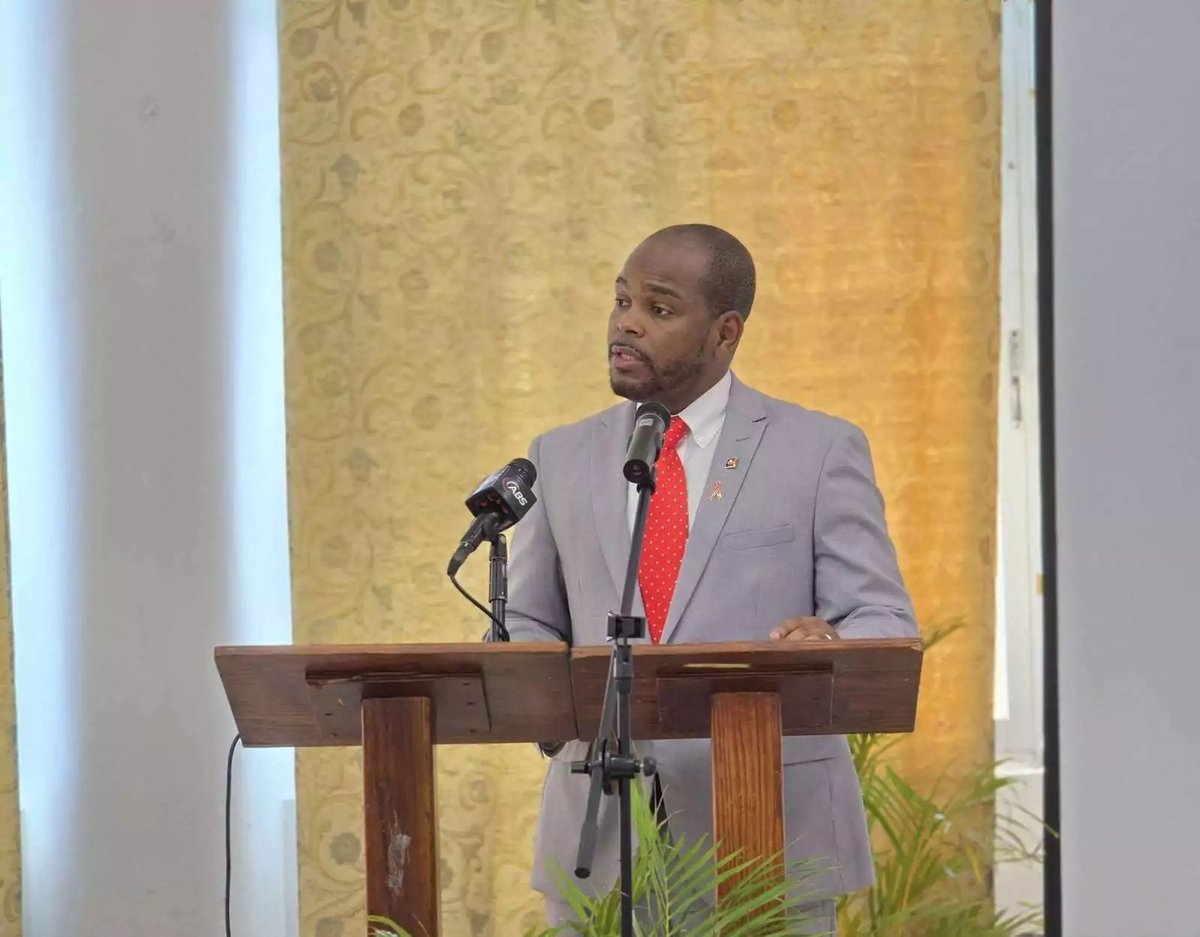
Prime Minister Gaston Browne says the government's cautious handling of the inaugural Air Peace flight from Lagos, Nigeria is heavily influenced by the lasting fallout from the Antigua Airways migrant crisis of 2022 and 2023. According to Antigua.news, Browne made the admission during his weekend radio programme, linking the administration's measured response to a controversy that left deep political and social scars.
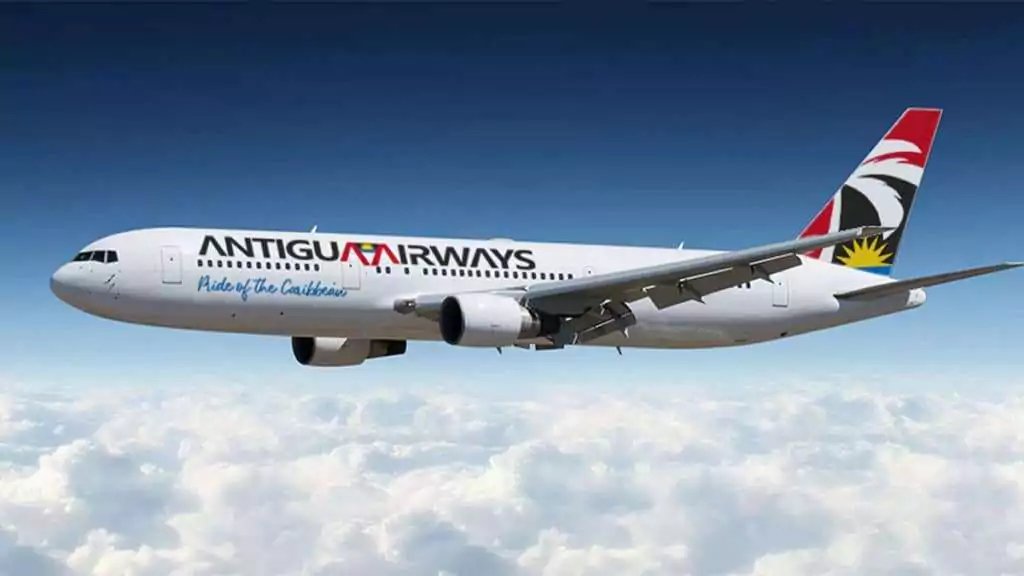
"We got burned three years ago," Browne said bluntly, reflecting on the Antigua Airways arrangement that once formed the centrepiece of his administration's efforts to establish direct air links between Africa and the Caribbean.
The Antigua Airways venture was initially promoted as a breakthrough in diaspora connectivity and regional aviation. Charter flights began arriving from West Africa carrying passengers largely from Cameroon and other African nations. Government officials described the initiative at the time as an opportunity to boost tourism, business and cultural exchange.
The situation, however, quickly spiralled into controversy. More than 900 African nationals reportedly arrived in Antigua and Barbuda through the programme, with authorities estimating that as many as 637 remained in the country at one stage. Concerns soon emerged that many passengers were not tourists but migrants attempting to use Antigua as a transit point to reach the United States.
"Whereas we thought that they were tourists, [they] ended up being conflict migrants who were trying to get into the United States," Browne admitted.
The developments triggered intense scrutiny of the government's immigration oversight, vetting procedures and the due diligence surrounding the Antigua Airways operation. Opposition figures and sections of the public questioned how such a large number of arrivals had been permitted entry under the programme.
The controversy deepened further in March 2023 when a vessel carrying African migrants who had departed Antigua capsized near St. Kitts. At least three people died and 13 others were reported missing after the boat overturned roughly 12 miles south of St. Kitts with 32 passengers onboard. The tragedy drew international attention and intensified criticism of the broader migration situation unfolding in Antigua and Barbuda at the time.
Browne said the government had offered the migrants an opportunity to remain in the country legally. "We gave them an opportunity to live and to work here," he said. "We said, 'Look, we'll assimilate the 600 of you into the society.' And they all said point-blank, 'We're not staying.'"
Against that backdrop, the Prime Minister said his administration is taking a far more measured approach to the launch of Air Peace service between Nigeria and the Caribbean. The first scheduled Air Peace flight, originally expected to land in Antigua on May 25 before continuing to Barbados, will now reportedly bypass Antigua amid heightened public health concerns surrounding Ebola outbreaks in parts of Africa.
Browne stressed that Air Peace differs significantly from Antigua Airways, arguing that the Nigerian carrier is a far more established and experienced operator. "I think though that with the system that Air Peace has in place, the risk is not as great as in the case of Antigua Airways," he said. "Antigua Airways was a newly incorporated entity and didn't have the experience."
Nonetheless, the Prime Minister acknowledged that the memory of the Antigua Airways controversy continues to shape both public perception and government decision-making whenever new Africa-Caribbean air connections are proposed. What was once envisioned as a historic bridge between two regions has since become entangled in difficult conversations about migration control, border security, public health preparedness and the political consequences of moving too quickly on major international initiatives.