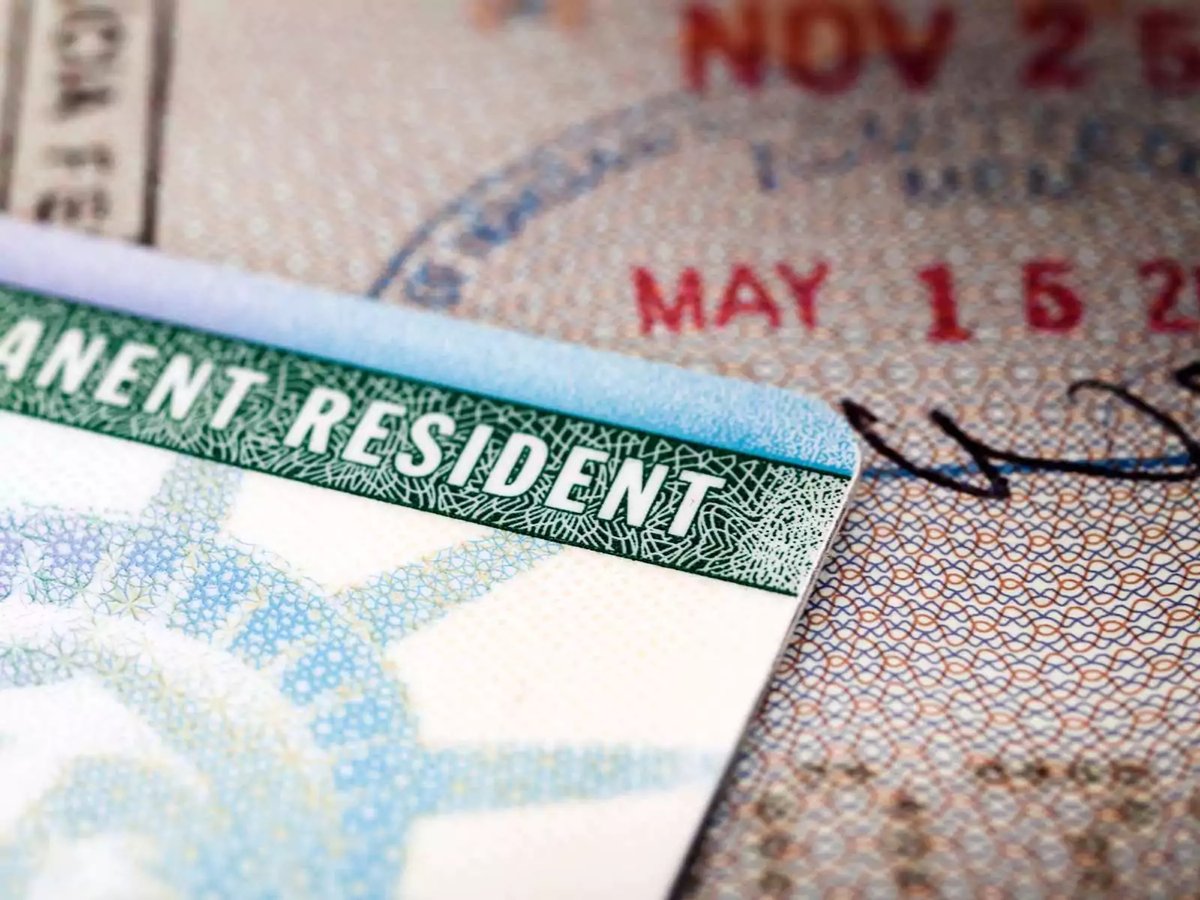
The United States Citizenship and Immigration Services (USCIS) has introduced a significant policy change that could make it harder for some immigrants already living in the country to obtain permanent residency without first returning to their home nations.
According to Antigua.news, new guidance issued by the agency emphasises that adjusting immigration status from within the United States is not guaranteed and should be regarded as a special privilege rather than a standard pathway to a green card.
"Adjustment of status is a discretionary benefit," USCIS stated, noting that remaining in the U.S. while seeking permanent residency represents an exception to the traditional immigration process.
Under the revised approach, immigration officers are now directed to treat consular processing — applying for an immigrant visa through a U.S. embassy or consulate abroad — as the preferred and standard method for obtaining permanent residency.
The shift is expected to increase scrutiny on individuals seeking to transition from temporary immigration categories to lawful permanent resident status while remaining inside the country. USCIS officials have also been instructed to closely evaluate whether applicants merit favourable discretion, meaning applications could still be denied even where an individual technically qualifies under immigration law.
The updated guidance could affect thousands of immigrants currently living in the United States on temporary arrangements, including student visas, work permits, tourist visas, humanitarian parole programmes, and other non-immigrant statuses.
Immigration lawyers say the stricter interpretation may create additional challenges for individuals who overstayed visas, breached the conditions of their status, or engaged in unauthorised employment while in the country.
The policy change is already generating concern among immigrant communities and legal advocates, many of whom fear the tougher stance could result in increased denials and force applicants to leave the United States in order to complete the immigration process abroad.