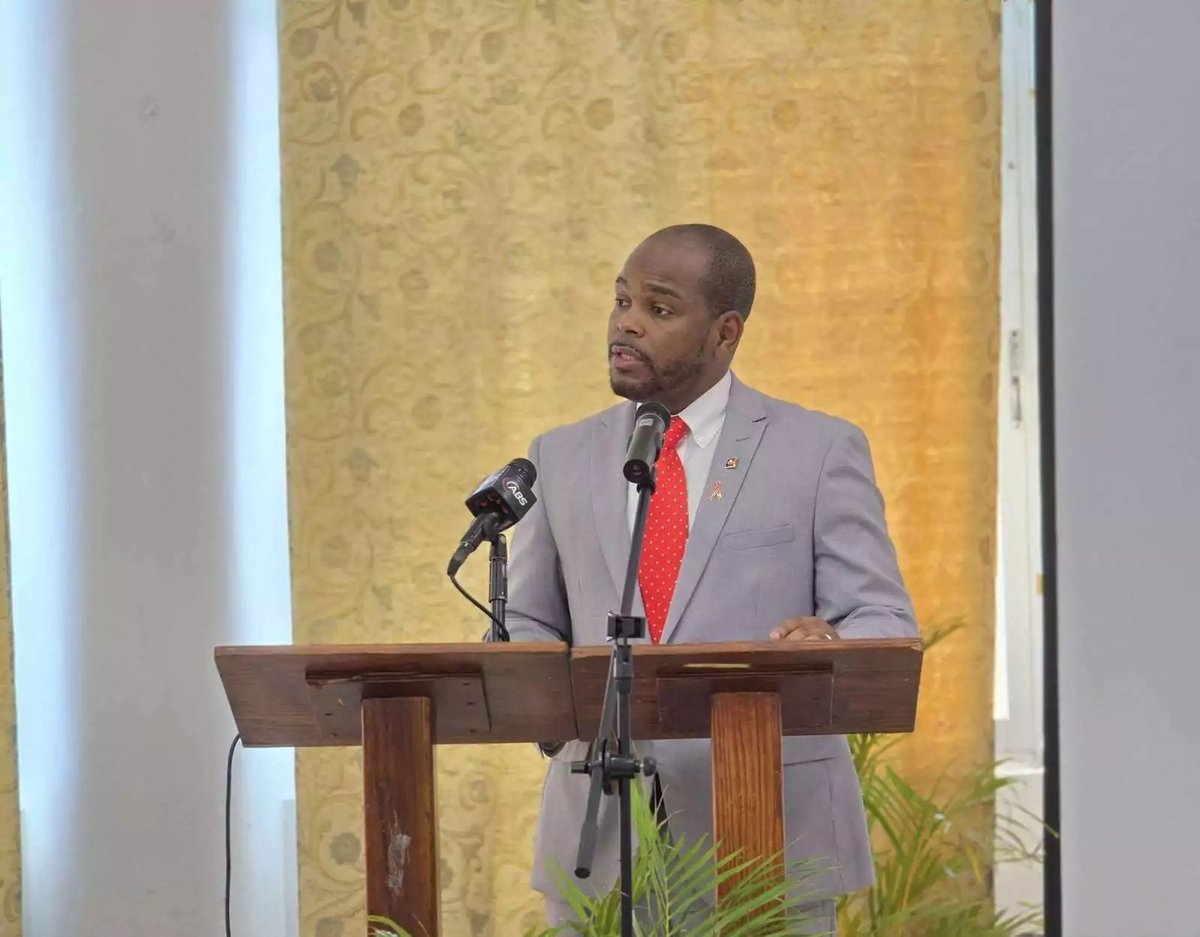
Opinion Editorial by Kevon Campbell, Logistics Specialist (CDEMA), and Jan Willem Wegdam, Shelter Advisor (IOM)
The Caribbean has long been defined by its spirit of generosity. But as reported by Antigua News Room, disaster relief experts warn that without proper coordination, even the most well-meaning donations can become a secondary disaster — slowing response efforts at a time when every minute counts.
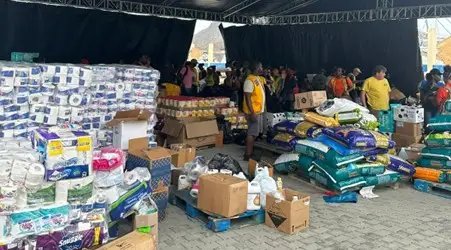
Following major disasters, unsolicited and uncoordinated donations frequently overwhelm ports and warehouses. The result is a chaotic mix of winter coats in tropical climates, expired food, unsorted mixed boxes, and tarpaulins too thin to withstand rain. Rather than helping people in crisis, these shipments create waste and divert critical attention away from urgent needs.
Experience from the Caribbean Disaster Emergency Management Agency (CDEMA) and its Participating States demonstrates the scale of the problem. Without clear donation management policies, large volumes of inappropriate or unusable goods consume valuable time, personnel, and funding. National logistics systems come under significant strain, and the delivery of essential items — food, water, shelter materials, and medical supplies — is delayed as a result. According to the authors, up to 60 percent of unsolicited goods often go unused, ultimately ending up as waste and contributing to environmental harm.
The consequences extend beyond logistics. When response systems slow down, vulnerable populations are left waiting longer for life-saving relief. These challenges are not merely operational — they are deeply human.
Campbell and Wegdam urge donors, organisations, and governments to prioritise coordinated, needs-based giving in the aftermath of disasters, ensuring that generosity translates into genuine and timely assistance for those who need it most.